Plate Nº 28 · recorded November 14, 2026
Biology & EvolutionReported finding
Ten-Day Search Finds No Trace of Fiji Petrel, Among World's Rarest Birds
A 10-day at-sea expedition found no verified Fiji petrel sightings; fewer than 50 birds may survive. Communities on Gau Island pledge to protect nesting forests.
By Elena Vasquez4 min read762 words
In brief
- Fewer than 50 Fiji petrels are believed to remain on Earth.
- A 10-day May 2025 expedition off Gau Island produced zero confirmed sightings.
- Humans have confirmed only 16 land sightings and 22 at-sea sightings since 1855.
- No nest of the species has ever been found.
- The last confirmed land sighting was in 2012; the last at sea in 2023.
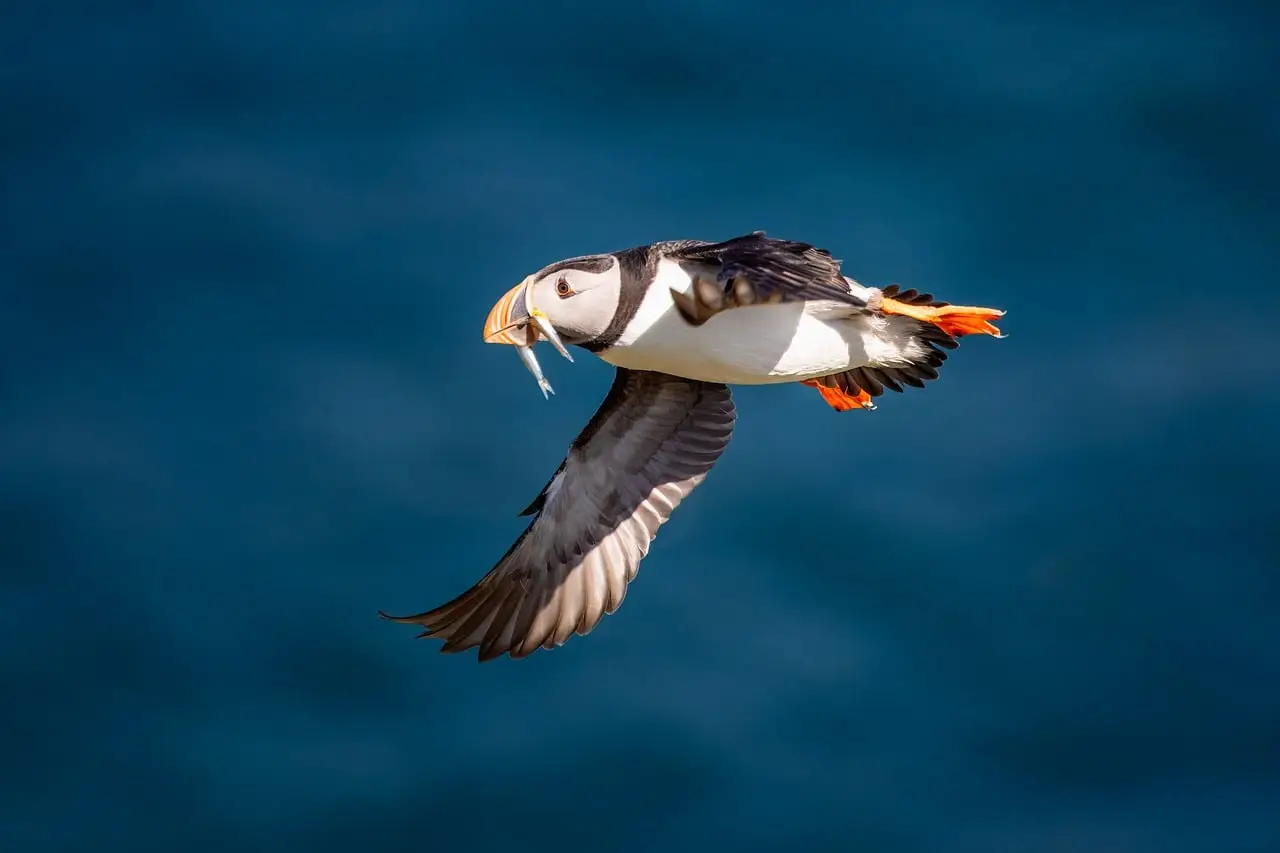
A 10-day expedition off Fiji's Gau Island failed to produce a single verified sighting of the Fiji petrel, a critically endangered seabird that scientists believe numbers fewer than 50 individuals worldwide. The survey, led by National Geographic Pristine Seas in May 2025, is detailed in a paper published in the journal Bird Conservation International.
Despite the empty result, the project delivered two wins. Researchers helped secure the only known audio recording of the Fiji petrel's call, and Gau Island communities vowed to protect the mountain-slope forests—known as montane forests—where the birds are thought to nest. The expedition ran in partnership with BirdLife International and NatureFiji-MareqetiViti.
The paper, "Fiji Petrel Pseudobulweria macgillivrayi: a review of historical sightings and the outcomes of a 2025 at-sea survey and tagging attempt," compiles every confirmed sighting of the bird from 1855 to the present, for the first time.
Why is this bird so hard to find?
The Fiji petrel, locally called Kacau-ni-Gau, is one of the most elusive birds on Earth. It is among the few seabird species whose nests have never been found.
The numbers tell the story. "We have records of humans seeing the Fiji petrel only 16 times on land and 22 times at sea," said Melania Bulimaitoga, a biologist with BirdLife International. "That's why this bird and everything about it remains a mystery: The bird's breeding habits, population size and foraging behavior are virtually unknown."
The species was spotted on land on Gau until the 2000s, but no confirmed land sighting has occurred since 2012. The last confirmed sighting at sea came during a scientific search in 2023.
The team hoped to tag a bird and finally locate its nests. "We had hoped to tag a bird to finally understand where their nests are and how to protect them," Bulimaitoga said. "After 10 days and nights of little sleep and lots of focus, we came up empty."
How did the team search?
Local and international scientists spent more than 12 hours a day scouring the skies, mostly from the sea. Their methods included:
- Chumming by day — dispersing bait and fish oil on the sea surface to lure petrels close.
- Spotlighting by night — two bright handheld spotlights aimed vertically to create a beam visible from a distance.
- Acoustic attraction — playing a call recording on a loop to draw birds in.
The team counted a sighting as confirmed only with photographic evidence. None came.
"We're in a race against time to save the Fiji petrel," said Lindsay Young, vice president of research for Pristine Seas, who led the expedition. "We searched for the bird night and day through the most tried-and-true techniques available, but the Fiji petrel eluded us. While we left Gau still chasing shadows, communities' commitment to habitat protection and invasive species control gives any remaining Fiji petrels a fighting chance."
What did islanders contribute?
The researchers interviewed Gau Island residents, whose traditional knowledge proved valuable. Those conversations uncovered the only known audio recording of the Fiji petrel's call.
The bird carries deep cultural weight. It is endemic to Fiji, appears on the country's 20-dollar banknote, and stars in lullabies passed down through generations on Gau, Fiji's fifth-largest island.
Oral histories from Gau village chiefs suggest the species was once far more abundant. Chiefs recounted stories from their great-grandmothers, who collected seabird eggs from the lower montane slopes behind the village—especially during pregnancy, when the eggs were considered desirable to eat.
What threatens the species?
The petrel's main threats are invasive predators—feral cats, rats and pigs—and habitat degradation on Gau, the only island where the bird has ever been recorded.
The failed survey underlines the bird's peril, but the scientists hedge their conclusions. A cyclone passed south of the expedition during the survey period, and a recent strong El Niño may also have pushed the birds elsewhere.
"We were disappointed not to have any confirmed sightings, but a single survey is just a snapshot," Young said. "It doesn't tell the whole story. Even so, we have to acknowledge the real risk that the Fiji petrel may be slipping away as we watch—which is precisely why new protections being pursued by communities in Gau are so critical."
The paper is authored by Lindsay C. Young and colleagues, with DOI 10.1017/s0959270926100768. One takeaway in plain words: the bird dodged the scientists this time, and its survival may now rest on the villagers protecting its forest.
via phys.org/rss-feed/ (Source)
More from Elena Vasquez
Show full bio
Correspondent covering money, funding and market shifts around general science news at SciBeat.
422 articles
Nearby plates
- Two Remote Pacific Atolls Rank Among the World's Last Intact Reefs
- Aldabra's giant tortoises near 183,000 in first rigorous atoll-wide count
- New megapode found in Liang Bua, the Homo floresiensis cave
- Two Finland eagle populations grew 9% a year — but differently
- Nine Young Sea turtles Settle Into a Human-Made Lagoon in the Gulf of Oman