Plate Nº 23 · recorded October 10, 2026
Science Policy & FundingReported finding
Trump Seeks Control of Science Funding, NPR Reports
NPR reports that President Trump is seeking control of science funding. What that headline means, why grant authority matters, and what remains unconfirmed.
By Priya Raman3 min read571 words
In brief
- NPR reports that President Trump is seeking control of science funding.
- The report describes an ongoing effort, not a completed policy change.
- No specific agencies, dollar amounts, or named officials appear in the available material.
- US federal science grants have traditionally been awarded through competitive peer review rather than direct political control.
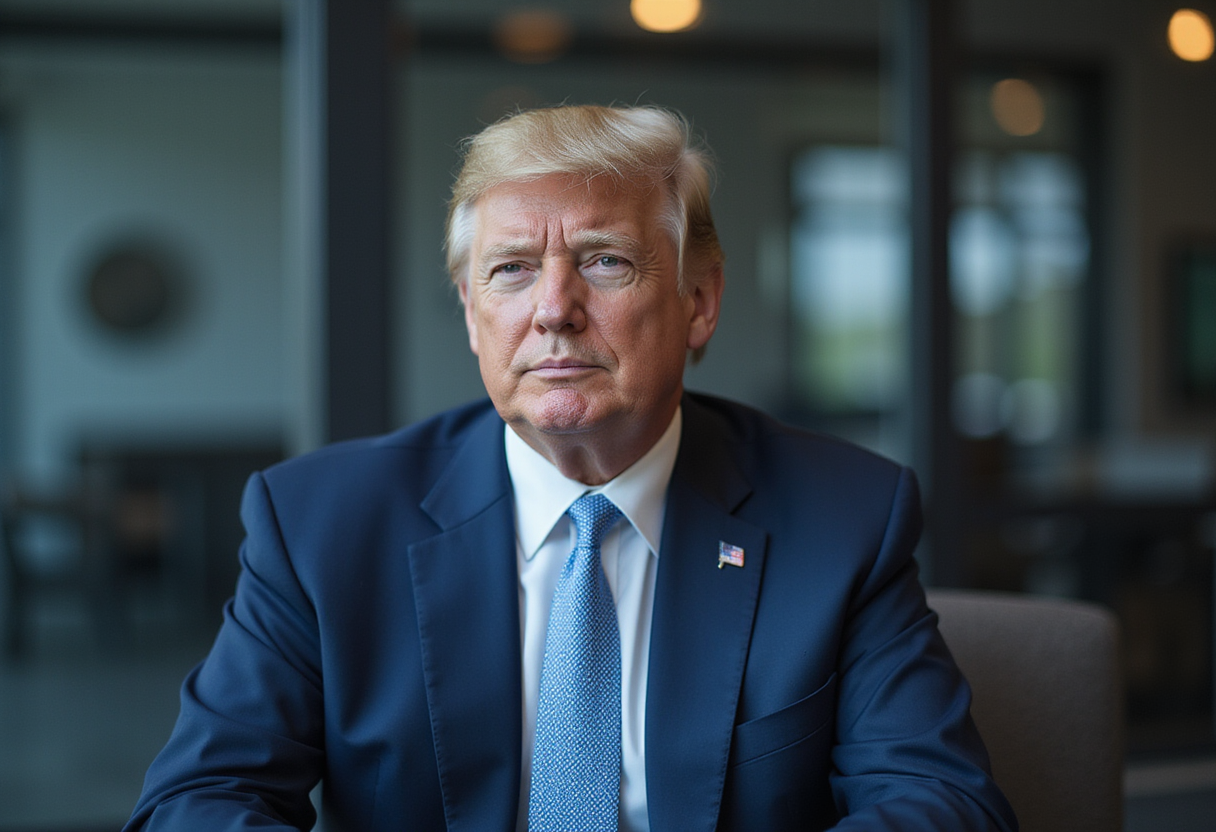
President Donald Trump is seeking control of science funding, according to a report from NPR. The headline finding, based on the outlet's reporting, signals a potential shift in who decides how federal research dollars flow to scientists across the United States.
The underlying source material available for this story is limited to the report's headline. What follows is a careful explanation of what that headline indicates, why it matters, and what remains unknown.
What does the headline actually say?
The NPR report, published under the title "President Trump seeks control of science funding," states that the president is pursuing greater authority over the funding of scientific research. No specific figures, agency names, dates, or named officials appear in the available material.
This means readers should treat the claim as an early, broad-strokes report. It describes an intention or an effort — "seeks" — rather than a completed policy change. There is, at this stage, no confirmation in the available material of any specific mechanism, executive action, or legislative proposal.
Why does control of science funding matter?
In the United States, federal science money has traditionally flowed through agencies that award grants based on competitive peer review. In plain English: independent scientists, not politicians, have largely decided which research proposals deserve taxpayer support.
This system exists to insulate research decisions from political pressure. A president gaining direct control over that process would represent a significant structural change, because it would move decisions about what gets studied — and what does not — closer to the political leadership of the moment.
Critics of centralized control typically argue it could favor politically convenient research and sideline work on contested topics. Supporters of executive oversight typically argue that elected officials should answer for how public money is spent. Neither argument is attributed to anyone in the available source material, so both should be read as general context, not reporting.
What do we not know yet?
Because the available material consists only of the headline, several basic questions remain open:
- Which agencies or funding streams the reported effort would cover
- Whether the move would take the form of an executive order, budget proposal, or legislation
- Which officials are driving the effort, and how Congress would respond
- What dollar amounts, if any, are at stake
- Whether any legal or procedural obstacles would limit presidential authority over grants
Until those details are confirmed, any claim about the scope or impact of the effort would be speculation.
How should readers weigh this report?
The core fact — that NPR reports President Trump is seeking control of science funding — is attributed reporting from a major news organization. But attribution matters as much as assertion. "Seeks" signals an attempt in motion, not an accomplished change, and preliminary or thinly detailed reports often evolve as documents surface and officials respond.
For scientists, universities, and science-policy watchers, the practical question is whether grant-making authority actually shifts, and how quickly. For the public, the question is simpler: who should decide which research the government pays for?
Both questions depend on details — names, numbers, and dates — that the currently available material does not provide. SciBeat will update this story as substantiated information emerges from the full report and from official sources.
The prudent reading for now: a serious claim, from an established outlet, about a significant potential change in American science governance — and one that demands more confirmed detail before its consequences can be judged.
via Google News: Science Funding (Source)
More from Priya Raman
Show full bio
Senior reporter covering industry trends and analytics at SciBeat.
207 articles
Nearby plates
- Trump Officials Want to Shift Research Funding Toward Individual Scientists
- Courts and Congress Push Back on Trump Science Funding Cuts
- White House Calls for Science Funding Shake-Up, Per AIP Report
- Congressional Spending Bill Blocks Plan to Politicize Federal Grants
- Court Blocks White House Bid to Control Science Grants—For Now