Recorded November 23, 2026
Science Policy & FundingReported finding
UK and EU Agree to Link Emissions Trading Systems
The UK and EU will link their emissions trading systems, with mutual recognition of carbon permits and CBAM exemptions — but INEOS warns of another 10% carbon cost rise for struggling UK firms.
By James Calloway3 min read650 words
In brief
- The UK and EU agreed at their summit to link their emissions trading systems
- EU and UK carbon allowances will be mutually recognised under the deal
- Goods traded between the two markets gain exemption from their respective CBAM border charges
- INEOS claims linkage means an additional 10% carbon tax rise on top of a 70% premium UK firms already pay
- The EU is still reviewing its own ETS rules, which the UK will align with before their final shape is known
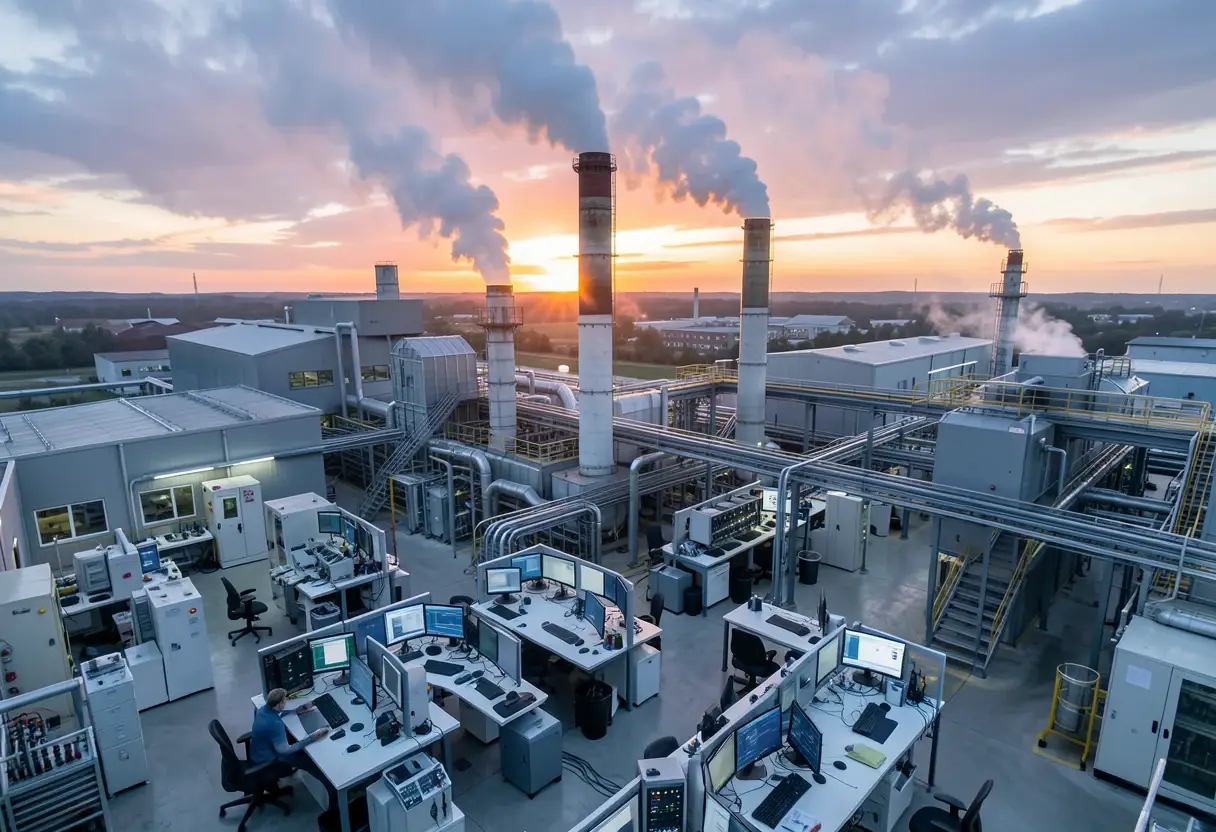
The UK and the European Union have agreed to link their emissions trading systems, in an announcement made at the EU-UK summit that ties the two carbon markets together for the first time since Brexit.
Under the agreement, EU and UK ETS allowances will be mutually recognised, meaning a pollution permit bought in one market can be used in the other. Goods traded between the two markets will also be exempt from their respective Carbon Border Adjustment Mechanisms — the border charges, known as CBAMs, that each side levies on carbon-intensive imports.
What is an emissions trading system?
An ETS is a market-based tool for cutting greenhouse gas pollution. The government sets a hard cap on how much covered industries can emit in total, then lets companies buy and sell permits to pollute within that limit. The cap tightens over time, which in theory forces emissions down while letting the market decide where the cheapest cuts happen.
Linking the two systems means one shared pool of permits across the UK and the EU, and the two governments say the deal will strengthen cooperation on carbon pricing, trade and industrial decarbonisation.
That is the promise. The fine print — how the link will actually operate, and on what timetable — was not spelled out in the announcement.
What does this change for UK industry?
Here the story splits. For traders and exporters, the CBAM exemption removes a layer of border paperwork and cost on goods moving between Britain and the continent. That is the concrete upside.
For heavy industry, the reaction is sharply cooler. Chemicals giant INEOS went public with a blunt warning that the deal piles fresh costs onto manufacturers already under strain.
A spokesperson for INEOS said: "Linking the UK and EU Emissions Trading Schemes risks imposing yet another financial burden on British manufacturing at a time when industry is already struggling to survive."
The 10% cost warning
INEOS put numbers on its concern. Based on current costs, the company said, linking the schemes will mean an additional 10% increase in carbon tax for UK businesses — on top of a 70% premium it says firms are already paying because traders have been speculating on a linkage.
The company also flagged a timing problem. The EU is reviewing its own emissions trading system right now. INEOS argues it makes little sense for Britain to commit to alignment before knowing what the future EU rules will be, or what say the UK will actually have in shaping them.
"This will add to uncertainty for UK industry and further undermine investment confidence," the spokesperson said.
INEOS set out three conditions it says any agreement must meet:
- protect the long-term competitiveness of British industry
- maintain effective safeguards against carbon leakage — the risk of production simply relocating to countries with weaker climate rules
- address the growing threat from cheap, high-carbon imports from China and the USA
The company also took aim at the Government's argument that closer alignment with Europe will deliver economic growth. "But if the result is higher costs, factory closures and the loss of British jobs, in practice the opposite is true," the spokesperson said.
The caveats worth holding onto
Neither the UK Government nor the EU has published independent estimates of what linkage will cost or save businesses, so the 10% and 70% figures come from INEOS itself, a company with an obvious commercial stake in the outcome. The claims have not been verified.
Timing matters too. With the EU's own ETS review still open, the rules Britain is aligning with could change shape before the link takes effect. How much influence UK regulators will have over those future rules remains an open question.
What the deal does settle, for now, is direction: UK carbon policy is moving back toward Brussels, and manufacturers on both sides of the argument will be watching the implementation details closely.
via energylivenews.com (Source)
More from James Calloway
Show full bio
Staff writer covering regulation, policy and their impact on general science news at SciBeat.
584 articles
Nearby plates
- EU-ETS1 sectors could emit 33-68 million tons of CO₂ in 2050
- EU Electricity Market Extension Could Deliver £636 Million a Year
- Australia's Carbon Offset Scheme Is Failing to Cut Emissions, Report Finds
- EVs hit 32% of UK new car sales — watchdog says speed up, don't soften, ZEV mandate
- Plan to Overhaul Green Power Contracts Could Save £9.2bn by 2036