Plate Nº 77 · recorded November 17, 2026
Science Policy & FundingReported finding
EU Electricity Market Extension Could Deliver £636 Million a Year
Linking Energy Community electricity markets to the EU's day-ahead trading system could yield gains of up to EUR 763 million (£636 million) each year, a new ACER report finds.
By Priya Raman3 min read585 words
In brief
- Coupling Energy Community power markets with the EU could bring gains of up to EUR 763 million (£636 million) a year
- The estimate comes from a new report by EU Agency for the Cooperation of Energy Regulators (ACER)
- Gains would come from joining the single-day-ahead coupling system for next-day cross-border electricity trading
- Four countries have taken steps to align national electricity laws with EU rules; their compliance is still being assessed
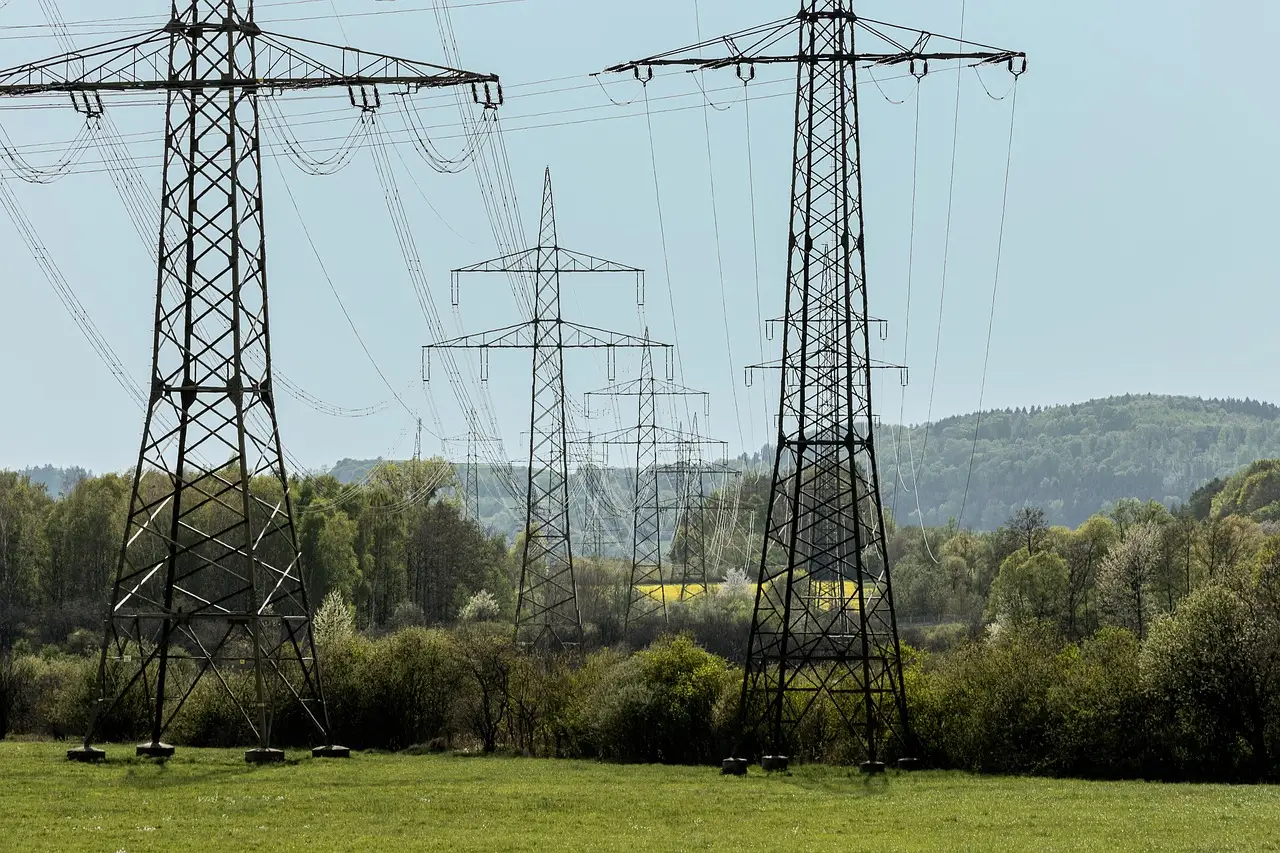
An annual prize of up to EUR 763 million — roughly £636 million — is on the table if Europe extends its integrated electricity market beyond the borders of the European Union, according to a new report by the EU Agency for the Cooperation of Energy Regulators (ACER).
The figure emerges from a study of what would happen if the power markets of the Energy Community were coupled with those of the EU. The Energy Community is an association of countries outside the EU that work with the bloc to align their energy policies and rules.
Where would the money come from?
The gains are tied to a specific mechanism known as single-day-ahead coupling. In plain terms, this is the system that links Europe's national electricity markets for next-day trading, allowing power to be bought and sold across borders as if the continent operated one large market.
Coupling works by making sure that cross-border power lines — the interconnectors (high-voltage cables that carry electricity between countries) — are used automatically and efficiently. Electricity flows from regions where it is cheaper to regions where it is more expensive.
Without coupling, the report's reasoning goes, that cross-border capacity either sits unused or carries power in the wrong direction. The consequence is waste: cheap generation in one country fails to reach consumers in another, and prices stay higher than they need to be on both sides of the border.
The EUR 763 million estimate represents the annual value of removing that inefficiency across the Energy Community's markets. As with any modelling exercise, the figure describes a potential outcome rather than a guaranteed result, and it depends on the integration actually being completed.
Which countries are moving toward integration?
The report notes that four countries have already taken concrete steps to align their national electricity laws with EU rules. That legislative alignment brings them closer to integration with the wider European electricity market — the practical precondition for joining the coupled day-ahead trading system.
Their compliance, however, is still being assessed. In other words, the legal groundwork has begun, but regulators have not yet confirmed that the four countries' rules meet EU standards in full. How quickly that assessment concludes will shape the timetable for any market coupling, and therefore how soon the projected benefits could begin to materialise.
Why does market coupling matter?
The finding speaks to a broader principle in European energy policy: electricity is cheapest and most reliable when it can travel freely. The EU has spent years building its internal energy market on that idea, and day-ahead coupling is one of its central instruments.
ACER's report suggests the same logic does not stop at the EU's external borders. By extending the coupled system to the Energy Community — countries that are already politically committed to converging with EU energy rules — the integration could deliver measurable economic gains for both sides.
The report frames the Energy Community as a significant opportunity to extend the benefits of an integrated electricity market beyond the EU itself.
What happens next?
For now, the numbers remain projections. The £636 million annual figure describes the upside of full coupling, not a sum already banked. The immediate next steps sit with the four aligning countries and the regulators assessing their compliance with EU rules.
If those assessments succeed, the region moves closer to a single electricity-trading zone stretching beyond the EU's frontier — one power line, one price signal, one market at a time.
via energylivenews.com (Source)
More from Priya Raman
Show full bio
Senior reporter covering people, launches and day-to-day practice in general science news at SciBeat.
476 articles
Nearby plates
- Plan to Overhaul Green Power Contracts Could Save £9.2bn by 2036
- UK Electrification Roadmap: £1.2 Billion Grid Deals and 52% Renewables Lead the Push
- UK Grid Balancing Costs Climb 16% to £3.1 Billion
- IRENA to Lead Global Grid Push Backing COP31's 35-by-35 Electrification Goal
- ‘35 by 35’ could worsen warming, Climate Analytics warns