Plate Nº 63 · recorded November 17, 2026
Earth & ClimateReported finding
IRENA to Lead Global Grid Push Backing COP31's 35-by-35 Electrification Goal
IRENA will head D-GRIDS, a new initiative to modernise electricity distribution grids, as COP31's pledge targets raising electricity's share of global energy use from 23% to 35% by 2035.
By Nathan Brooks3 min read620 words
In brief
- COP31's 35-by-35 pledge targets raising electricity's share of global final energy consumption from ~23% to 35% by 2035.
- IRENA was appointed secretariat of D-GRIDS at COP31 in Antalya, Türkiye.
- IRENA estimates global grid investment must more than double to a cumulative $10 trillion by 2035.
- D-GRIDS focuses on four areas: finance, grid modernisation, digitalisation and international cooperation.
- IRENA will partner with the Utilities for Net Zero Alliance (UNEZA) on clean grids and electrification.
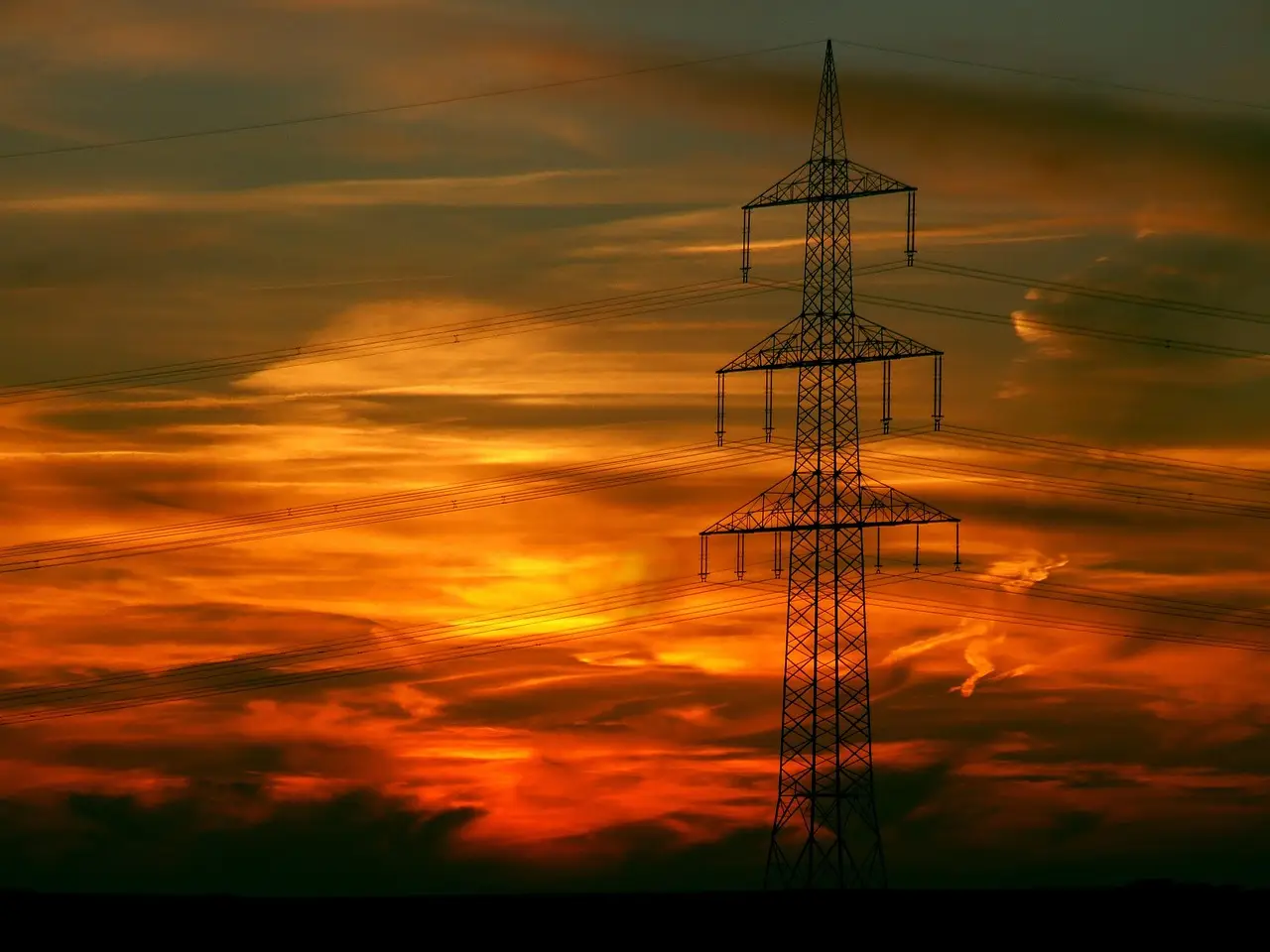
Electricity's share of global final energy consumption must climb from roughly 23 per cent today to 35 per cent by 2035 — and IRENA has just been handed the job of wiring the world for it.
At the 31st United Nations Climate Change Conference (COP31) in Antalya, Türkiye, the International Renewable Energy Agency was appointed secretariat of the Global Initiative for Resilient and Intelligent Distribution Grids, or D-GRIDS. The agency will now coordinate implementation of the initiative, developed under the leadership of Türkiye's Ministry of Energy and Natural Resources together with IRENA itself.
The numbers behind the mandate are steep. IRENA estimates that global grid investment must more than double, reaching a cumulative $10 trillion by 2035, to support the scale of electrification and renewable energy integration the target demands. That's roughly the GDP of Japan and Germany combined, spread across a decade.
What will D-GRIDS actually do?
The initiative targets the part of the power system most people never think about: distribution grids — the networks that connect electricity supplies to households, businesses and industries. These grids will have to absorb electric vehicles, heating and cooling systems, industrial electrification and decentralised renewable energy, all at once.
Under its mandate, IRENA will coordinate implementation, facilitate international cooperation and help countries identify priority grid investments, develop projects and access financing.
The work concentrates on four interconnected areas:
- Planning, investment mobilisation and finance
- Grid modernisation, regulation and system flexibility
- Digitalisation and climate resilience
- Strengthening data, institutional capacity and international cooperation
For developing countries, the stakes are highest. D-GRIDS is expected to help them overcome financial, technical and institutional barriers to modernising these networks — specifically by identifying investment requirements, improving project preparation and unlocking climate and development finance for distribution infrastructure.
Why distribution grids, not just renewables?
IRENA's own World Energy Transitions Outlook 2026 identifies accelerated electrification as a critical component of the global energy transition. The report highlights the need to expand renewable energy while reforming electricity systems to handle rising demand.
The logic is simple: expanding electricity consumption across buildings, transport and industry won't deliver climate benefits unless it comes with accelerated renewable deployment, better energy efficiency, storage systems and modern networks. More power use, met by fossil fuels, gets nobody closer to the target.
The programme also promotes what analysts call demand-side flexibility — letting electricity consumers and distribution systems respond to fluctuations in supply and demand. That flexibility improves grid reliability and helps integrate variable renewables such as solar and wind, whose output swings with the weather.
Who else is involved?
IRENA won't act alone. The agency will work alongside other international initiatives, including the Utilities for Net Zero Alliance (UNEZA), a global coalition of utilities and power companies pushing for clean electricity grids, renewable energy integration and electrification.
The collaboration is expected to strengthen partnerships between governments, utilities, investors and other stakeholders involved in expanding and modernising electricity infrastructure.
What happens next?
The COP31 Presidency has identified grid infrastructure as a critical pillar of its electrification agenda, and D-GRIDS is meant to provide the framework that turns ambition into practical projects and investments. As secretariat, IRENA will mobilise international expertise, strengthen institutional capacity and connect countries with the technical and financial support needed to build resilient, intelligent distribution systems.
The initiative forms part of a wider COP31 effort to make electrification a central driver of climate action, energy security and sustainable development.
Its success matters most in developing economies, where inadequate electricity infrastructure, limited investment and financing constraints continue to hold back reliable electricity access. For those countries, D-GRIDS isn't an abstract climate pledge — it's a potential path to grids that can finally keep the lights on.
via environewsnigeria.com (Source)
More from Nathan Brooks
Show full bio
Market editor covering companies, deals and strategy in general science news at SciBeat.
456 articles
Nearby plates
- UK Electrification Roadmap: £1.2 Billion Grid Deals and 52% Renewables Lead the Push
- ‘35 by 35’ could worsen warming, Climate Analytics warns
- COP31 Launches 35-by-35 Pledge to Electrify the World Economy
- Nigerian Group Slams COP31 Electrification Pledge as Toothless
- COP31 Week Two Opens With Finance and Fossil Fuel Deadlocks Unresolved