Recorded November 19, 2026
Earth & ClimateReported finding
UK offshore oil and gas emissions fall 30% since 2018, beating 2027 target early
UK offshore oil and gas emissions fell 7% in 2025 to 11.5 million tonnes CO2 equivalent, a 30% cut since 2018 and already below the sector's 2027 target, an OEUK report finds.
By Priya Raman2 min read428 words
In brief
- Greenhouse gas emissions fell 7% year on year to an estimated 11.5 million tonnes of CO2 equivalent in 2025
- The sector has cut emissions 30% against its 2018 baseline, exceeding the North Sea Transition Deal target of 25% by 2027
- Chemical discharges fell 20% to around 57,500 tonnes; drilling chemical discharges fell 29%
- Unintentional oil and chemical releases fell 20% in number and 79% in volume
- Drill cuttings discharged into the sea increased 34% in 2025
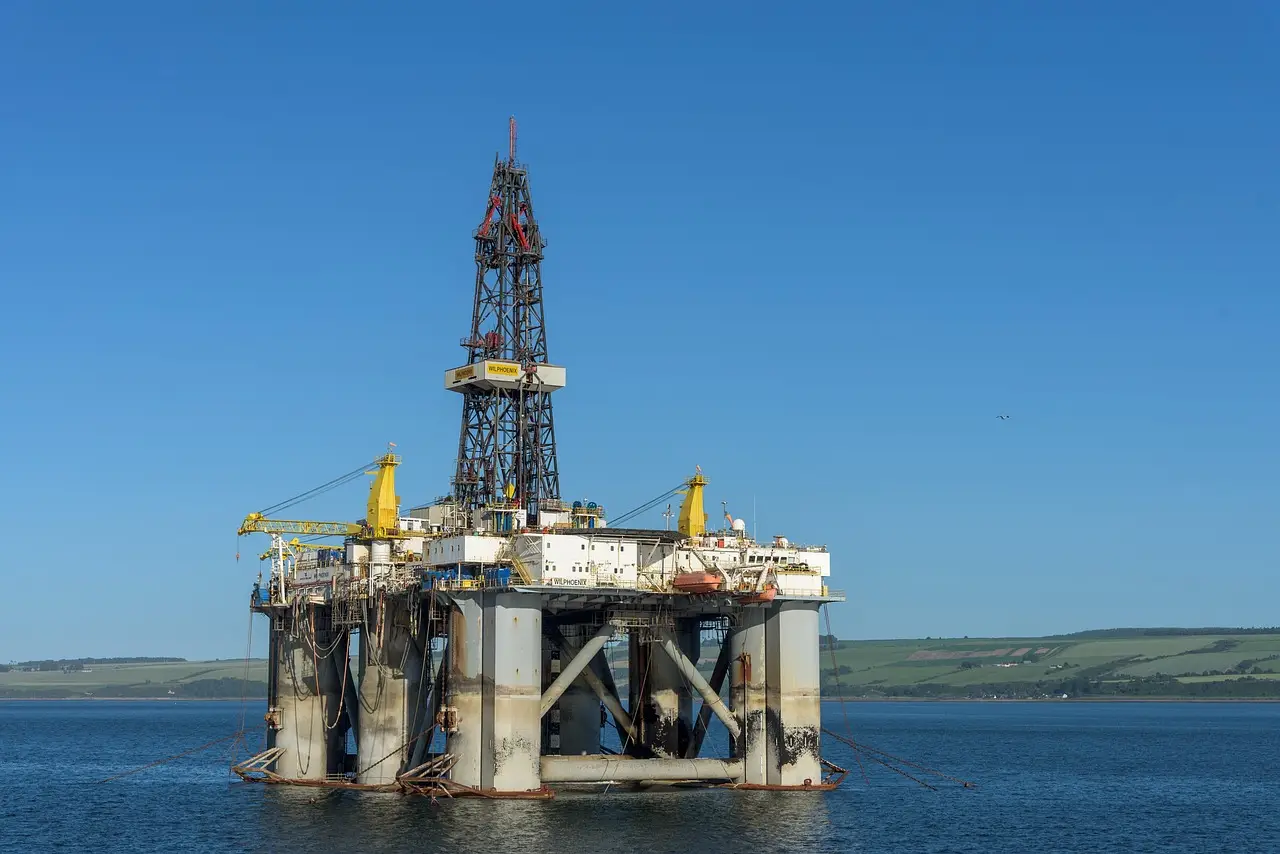
The UK's offshore oil and gas industry has cut its greenhouse gas emissions to an estimated 11.5 million tonnes of CO2 equivalent, already below the level required by its 2027 target. The figure comes from a new environmental performance report by Offshore Energies UK (OEUK), the trade body for the sector, and covers data for 2025.
Total greenhouse gases, including CO2, methane and nitrous oxide, fell 7% year on year. Measured against the industry's 2018 baseline, the reduction now stands at 30% — comfortably ahead of the North Sea Transition Deal target, which requires a 25% cut by next year.
The report tracks six areas of environmental performance:
- greenhouse gas emissions
- produced water (water brought up as a by-product of operations)
- chemical discharges
- drill cuttings (rock fragments created when drilling wells)
- unintentional oil releases
- unintentional chemical releases
What improved beyond emissions?
The gains were not confined to the atmosphere. Chemical discharges into the sea fell by 20% to around 57,500 tonnes, and discharges of drilling chemicals specifically dropped 29%.
Unintentional releases — spills and leaks of oil and chemicals that operators do not plan for — also declined. The number of such incidents decreased 20%, while the overall volume released fell 79%.
Mark Wilson, OEUK's Energy Operations Director, said the numbers show measurable progress across the sector.
"Lower emissions, fewer chemical discharges and fewer unintentional releases show the progress our sector has achieved, with greenhouse gas emissions already below the level required by the 2027 target," Wilson said.
Where does the industry still fall short?
One indicator moved in the wrong direction. Drill cuttings discharged into the sea increased 34% in 2025, a reminder that aggregate improvement can conceal individual regressions.
Wilson acknowledged that the report is a milestone rather than a finish line.
"But there is more to do," he said. "Rigorous monitoring and reporting must guide further improvements, helping regulators and industry track performance and identify where further action is needed."
How solid are the numbers?
Some caution is warranted. The headline emissions figure is an estimate, and the report is produced by the industry's own trade body rather than an independent auditor. Environmental performance in a single year can also reflect operational factors — fewer platforms running, changed production levels — as much as deliberate efficiency measures. The report itself does not attribute the reductions to specific causes.
The 30% cut against baseline nonetheless gives the sector a concrete claim ahead of the 2027 deadline, and the monitoring framework Wilson describes is the mechanism by which regulators can test whether the trend holds.
via energylivenews.com (Source)
More from Priya Raman
Show full bio
Senior reporter covering people, launches and day-to-day practice in general science news at SciBeat.
549 articles
Nearby plates
- Global Fossil CO₂ Emissions Set to Fall 0.4% in 2026, Report Says
- Oceans Now Absorb 2.8 Billion Tons of Carbon a Year — Land Is Falling Behind
- Australia's Fossil Fuel Exports to Stay Twice Its Domestic Emissions
- EU-ETS1 sectors could emit 33-68 million tons of CO₂ in 2050
- Global carbon emissions may have peaked in 2026, report says