Plate Nº 61 · recorded November 17, 2026
Earth & ClimateReported finding
Australia's Fossil Fuel Exports to Stay Twice Its Domestic Emissions
Australia's exported fossil fuel emissions will still be double its 2025 domestic emissions by 2040, Climate Analytics finds ahead of COP31, despite a 9.6-billion-tonne avoidance pathway.
By Marcus Bennett3 min read697 words
In brief
- Exported fossil fuel emissions will remain twice Australia's reported 2025 domestic emissions by 2040
- Australia's global carbon footprint is 4.3% of global emissions, barely changed since the 2024 analysis
- A fossil fuel transition would avoid up to 9.6 billion tonnes of carbon emissions over 15 years
- Climate Analytics CEO Bill Hare rejected the Prime Minister's claim Australia is 'doing its part'
- The report was published on 17 November 2026, ahead of COP31, which Australia co-hosts
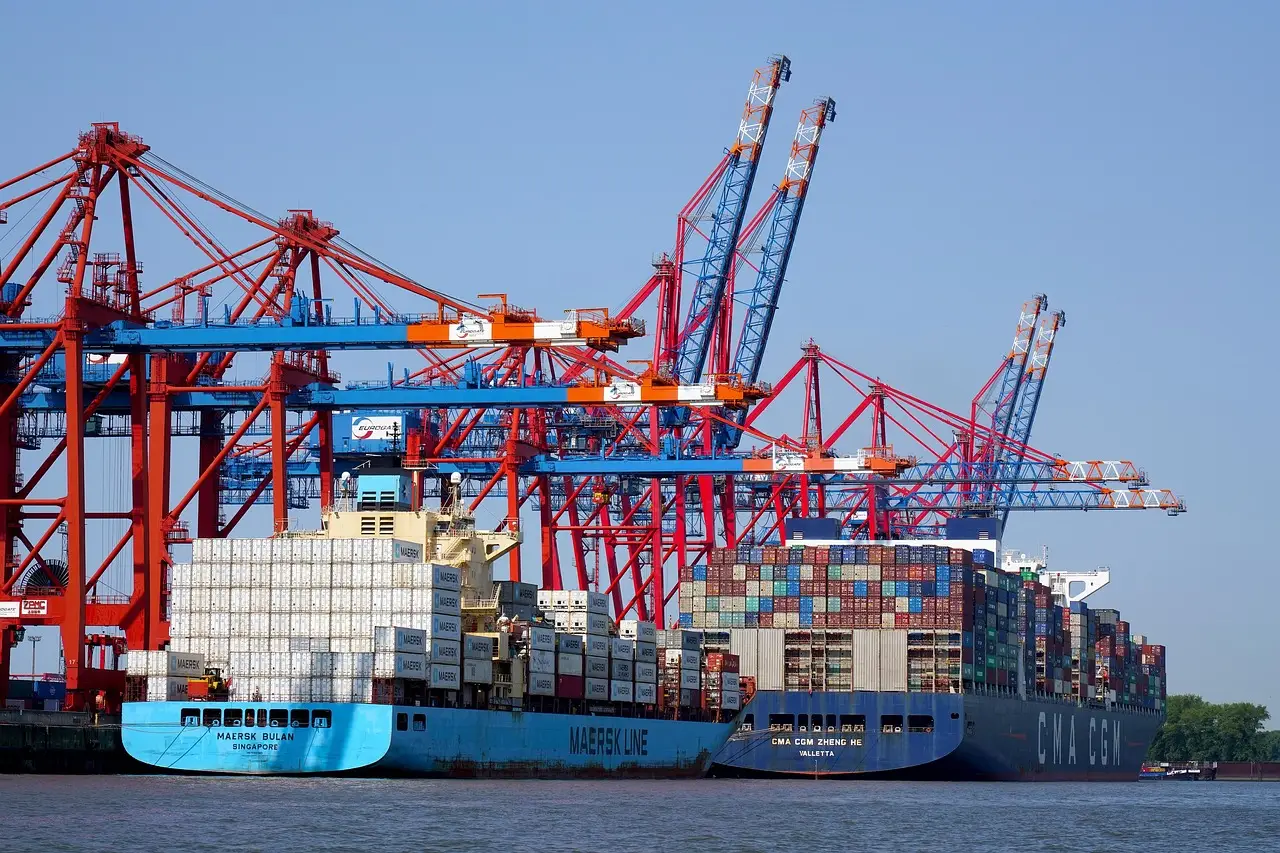
By 2040, Australia's exported fossil fuel emissions will still run at twice the level the country reports as its domestic emissions for 2025, according to an updated analysis from Climate Analytics — despite the government co-hosting the COP31 climate summit.
The report, released on 17 November 2026, is an update of Climate Analytics' 2024 analysis. It finds that Australia has no plan to move away from its large fossil fuel exports, and that exported emissions will drop only marginally by 2040.
The numbers frame the problem. Australia's global carbon footprint — the emissions embedded in the fossil fuels it sells abroad — accounts for 4.3% of global emissions. That share has barely changed since the original 2024 report.
For practitioners tracking national climate commitments, that stasis matters more than the rhetoric around it.
What did Climate Analytics find?
The update compares two trajectories for Australia's fossil fuel export industry through 2040: the government's current course, and a managed transition away from fossil fuels.
Under the current course:
- Exported fossil fuel emissions fall only marginally by 2040.
- Those exports still produce roughly twice the emissions Australia reports domestically for 2025.
- The country's 4.3% share of global emissions remains essentially unchanged from the 2024 baseline.
Under a transition scenario, the report finds Australia would avoid as much as 9.6 billion tonnes of carbon emissions over the next 15 years.
The gap between those two paths is the report's core finding: the government's current plans leave nearly the entire export-driven footprint intact through mid-century.
In plain words, the report shows Australia's climate impact abroad is on track to stay double its declared impact at home.
Why does the timing matter?
Australia co-hosts COP31, the annual UN climate conference, which gives the findings a sharp political edge. The report lands days after the Australian Prime Minister spoke in Türkiye, where he claimed the country is "doing its part" on climate.
Climate Analytics CEO Bill Hare addressed that claim directly. "This report shows it's abundantly clear Australia is not 'doing its part' as the Prime Minister claimed here in Türkiye last week," Hare said.
He pointed to what he called a structural inconsistency at the heart of government policy. "There is a deep contradiction in a government position that champions climate ambition abroad but plans for continued fossil fuel exports, with approvals for coal mines and gas fields that lock in production for decades," Hare said.
That contradiction, in Hare's framing, is not rhetorical. Each new coal mine and gas field approval commits production — and the emissions that come with it — for decades, well past the 2040 horizon the report examines.
In plain words, new approvals signed today extend the fossil fuel export footprint far beyond any near-term climate target.
What does the report ask the government to do?
Climate Analytics sets out two concrete requests:
- Draw up a formal roadmap to transition away from fossil fuel exports.
- Pair that roadmap with a whole-of-economy decarbonisation plan built on renewables and the electrification of end uses — replacing fossil-fuelled equipment and appliances with electric alternatives powered by clean electricity.
The second point matters for implementation. A whole-of-economy plan would reach beyond the export sector itself, covering transport, industry and buildings, and tying decarbonisation to electrification rather than offsets or narrow sectoral fixes.
In plain words, the report wants export phase-out written into national planning, not left to market drift.
How firm are the findings?
The figures come from a single analytical organisation, Climate Analytics, a climate science and policy institute, and represent projections rather than measured outcomes. The 2040 export-emissions trajectory depends on government policy settings that can change; the 9.6-billion-tonne avoidance figure is a scenario comparison, not a forecast.
Still, the update's continuity with the 2024 analysis strengthens its central observation: two years on, Australia's export-driven carbon footprint has barely moved.
For anyone assessing national climate ambition against actual production plans, the report's benchmark is simple. Until export emissions enter decline, Australia's domestic numbers will tell less than half of its climate story.
via energylivenews.com (Source)
More from Marcus Bennett
Show full bio
News editor covering regulation, policy and their impact on general science news at SciBeat.
493 articles
Nearby plates
- Global Fossil CO2 Set to Fall 0.4% in 2026 – But Wars, Not Clean Energy, Drive It
- Global carbon emissions may have peaked in 2026, report says
- Global Fossil CO₂ Emissions Set to Fall 0.4% in 2026, Report Says
- COP31 Draft Under Fire: $120bn Finance Plan Falls Far Short
- EU-ETS1 sectors could emit 33-68 million tons of CO₂ in 2050