Recorded November 20, 2026
Health & Medicine ResearchReported finding
Weight-Loss Drugs Could Avert 6.6 Million Deaths by 2050
Aberdeen-led modelling links widespread GLP-1 use to up to 6.6 million fewer deaths and 79 million acres freed from farming by 2050 — rising further if diets improve.
By Marcus Bennett3 min read619 words
In brief
- Widespread GLP-1 use could mean up to 6.6 million fewer deaths globally in 2050
- With healthier diets, the estimate rises to 7.7 million fewer deaths and 46 million hectares (114 million acres) of land freed
- The study, led by Dr. Roslyn Henry, is published in Nature Communications (2026)
- The authors stress it is an exploratory assessment, not a forecast or treatment recommendation
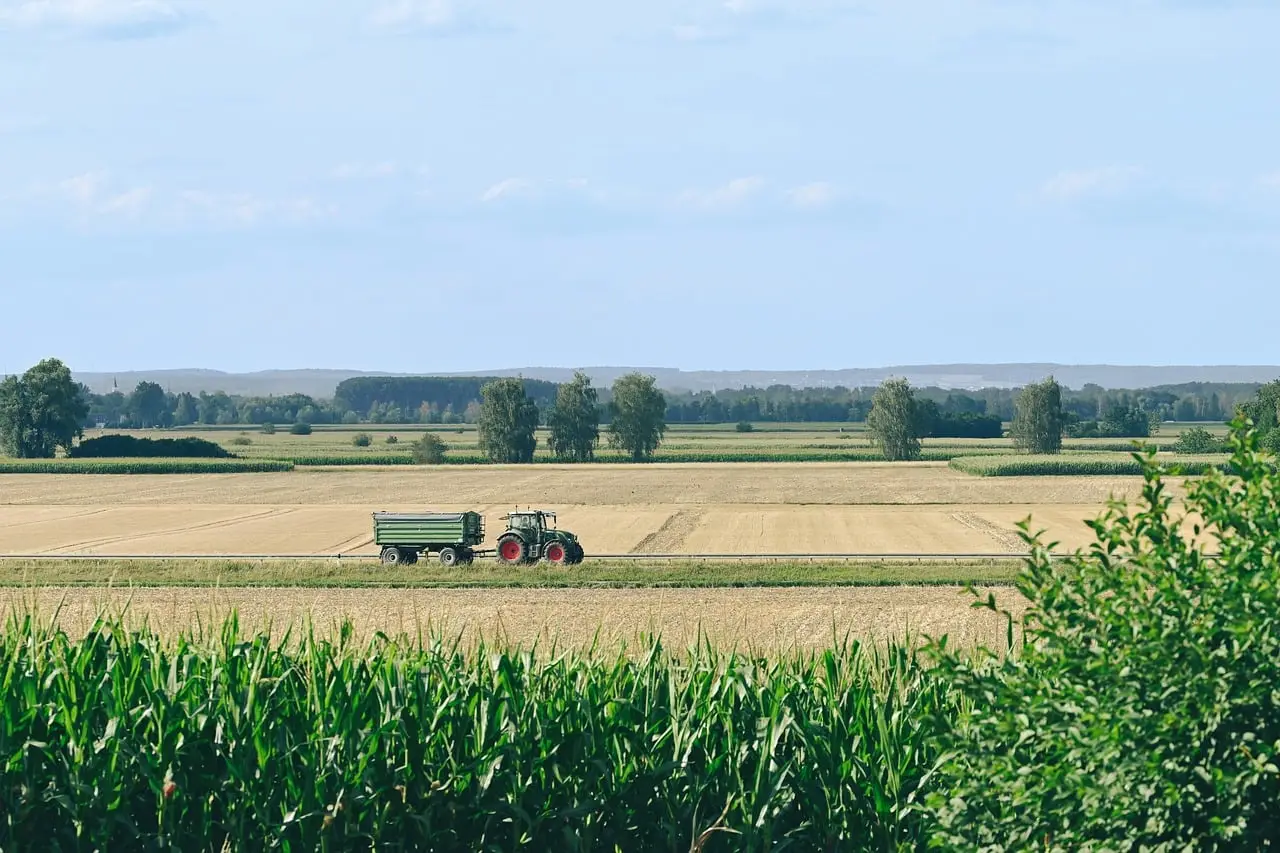
Widespread use of weight-loss medications could prevent up to 6.6 million deaths globally in 2050 and return roughly 32 million hectares (79 million acres) of land to non-agricultural use, according to new modelling from the University of Aberdeen published in Nature Communications.
The research team, working with the University of Edinburgh and Scotland's Rural College (SRUC), is the first to explore how broad uptake of GLP-1 medications — appetite-suppressing injections such as Ozempic and Mounjaro, originally developed to treat type 2 diabetes and now widely prescribed for obesity — could reshape global food demand, food prices, international trade, agricultural land use and mortality together, rather than one at a time.
What did the study actually model?
The researchers built scenarios rather than forecasts. In their most ambitious scenario, widespread GLP-1 treatment for obesity was associated with two linked outcomes: fewer deaths and less land tied up in farming and managed forestry.
The numbers sharpen when treatment pairs with healthier diets. In that combined scenario, the projected benefit rises to:
- 7.7 million fewer deaths globally in 2050
- About 46 million hectares (114 million acres) of land freed from agriculture and managed forestry
Dr. Roslyn Henry of the University of Aberdeen, who led the study, said: "Our findings suggest that these changes in food consumption could have consequences that extend beyond the individuals receiving treatment, including potentially reducing pressure on natural land in other parts of the world."
In plain terms: if millions of people eat less, the knock-on effects travel through trade and farming systems to land far from any prescription pad.
What are the caveats?
Henry was explicit about limits. "It's important that these findings aren't interpreted as placing environmental responsibility on people living with obesity, or suggesting that medication is an environmental solution," she said. "The environmental impacts of what we eat are shaped by the wider food system, not simply by individual choices."
The study is a first exploratory assessment — not a forecast of future treatment trajectories and not a recommendation for universal treatment. The authors flag several assumptions that future work should test, including how long people stay on the drugs, how strictly they adhere, how their diets actually change, and how much weight they regain after stopping. Treatment options and access are also still evolving.
Why does the diet connection matter?
The gap between the two scenarios — 6.6 million versus 7.7 million deaths averted — is the study's practical headline. Supporting healthier diets alongside treatment more than doubles the land benefit, from 32 million to 46 million hectares.
Henry's conclusion follows directly: "Our results also highlight the importance of supporting healthier diets alongside treatment. This requires not only targeted guidance for GLP-1 users, but also wider policies that make healthy and sustainable diets more accessible and affordable for everyone."
Co-author Peter Alexander, professor at the University of Edinburgh, framed the systemic stakes: "What we eat has consequences that extend beyond our own health. Our food choices ripple through global food systems, affecting what farmers produce, what countries trade and how much land is needed for agriculture. As appetite-suppressing and other pharmaceutical treatments become more widely used, we need to understand how their uptake could reshape food systems, and the resulting environmental impacts and health outcomes."
The paper — Roslyn C. Henry et al., "Impacts of medications for obesity on global health and the environment," Nature Communications (2026), DOI: 10.1038/s41467-026-79412-w — marks the opening, not the end, of a research question.
For now, one line holds: the pills and pens designed to change individual waistlines may, at scale, change what the world's farmland is asked to do.
via phys.org/rss-feed/ (Source)
More from Marcus Bennett
Show full bio
News editor covering regulation, policy and their impact on general science news at SciBeat.
584 articles
Nearby plates
- GLP-1 Drugs Improve Bodies, But Life Outcomes Stay Unchanged
- GLP-1 Weight-Loss Drugs Work Similarly Across Age, Race, and Weight
- Amylin Drug Petrelintide Delivers Over 10% Weight Loss
- 86% of Compounded Weight-Loss Prescriptions in Nebraska Are GLP-1s
- SELECT Long-Term Weight Loss Data Published in Nature