Plate Nº 56 · recorded October 13, 2026
Science Policy & FundingReported finding
White House renews push to slash US science agency budgets
The White House has renewed proposals to cut US science agency budgets. Here's what that actually means — and why Congress, not the request, decides the outcome.
By James Calloway2 min read471 words
In brief
- The Trump administration has renewed proposals to cut budgets at major US science agencies
- A proposal is not law: Congress controls federal appropriations
- Previous rounds of similar proposed cuts were largely restored or rejected by Congress
- Practical effects on grants will only follow once appropriations bills are signed
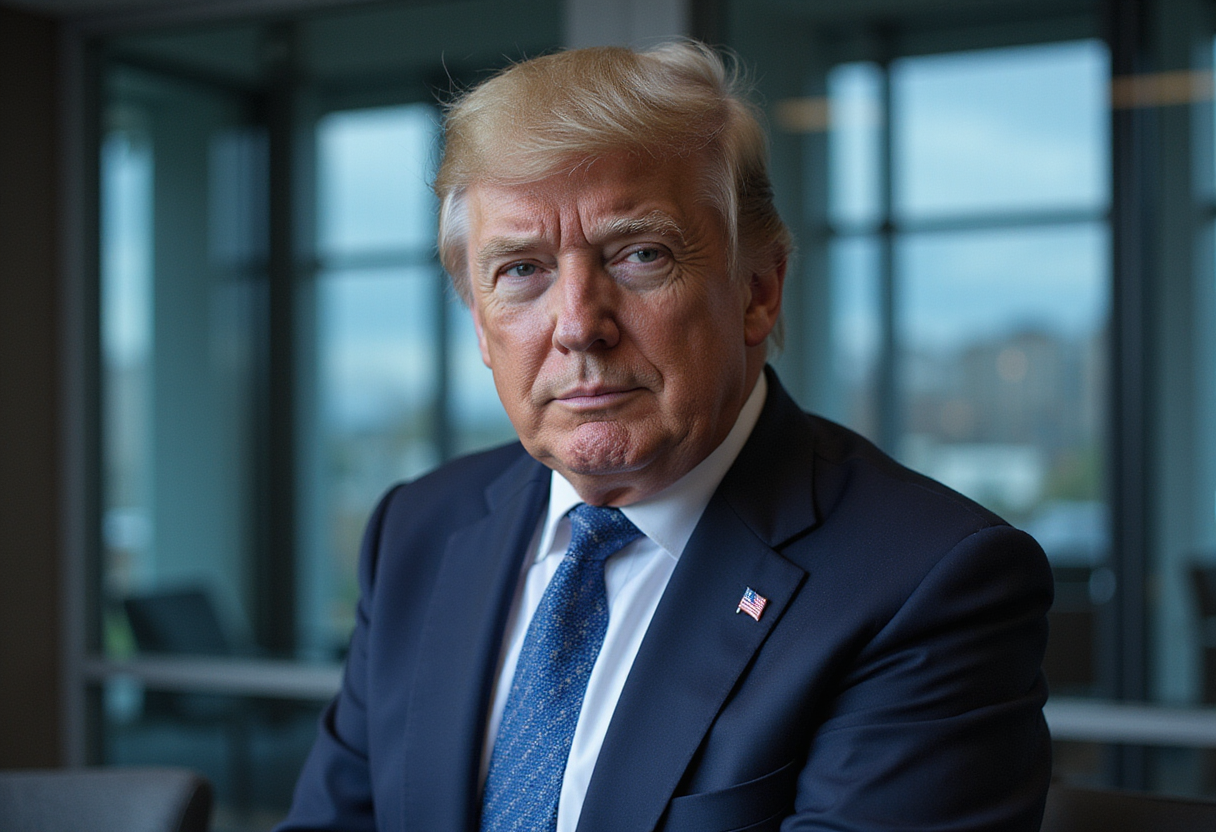
The Trump administration has once again put forward proposals to cut the budgets of major US science agencies, renewing a push that has already rattled researchers across the country.
That is the hard fact of this story, and it comes with an immediate caveat: a proposal is not a budget. Congress, not the White House, holds the purse strings, and past proposals of this kind have routinely emerged from the legislative process looking very different from how they went in.
What is actually being proposed?
The administration wants to reduce spending at the federal agencies that fund the bulk of American research — the bodies that pay for laboratory work, grant programmes and scientific infrastructure nationwide.
The specifics matter enormously, and this is where readers should slow down. Headline numbers in budget requests often mask a patchwork: one directorate trimmed, another held flat, a third quietly spared. Until the detailed line items land, any claim about "gutting" or "saving" science deserves skepticism in both directions.
What does this change for working scientists?
Right now, very little in practical terms. Grant applications continue. Review panels continue. Paylines, the cutoff scores that determine which projects get funded, will not move until appropriations are signed into law.
What does change immediately is planning. University administrators who build multi-year hiring and equipment decisions around federal funding now face a fresh round of uncertainty. That uncertainty has a cost of its own, even when the cuts never fully materialize.
Haven't we seen this movie before?
Yes. Earlier rounds of proposed cuts to US science agencies drew loud opposition from research universities, scientific societies and lawmakers from both parties. Congress repeatedly restored or rejected much of what the White House requested.
That history cuts two ways. It offers comfort to researchers who assume the same pattern will repeat. It also offers no guarantee — political conditions shift, and past protection is not future protection.
What are the stakes if the cuts stick?
Federal agencies are the dominant funders of basic research in the United States, the kind of early-stage science that companies rarely pay for themselves. Slower funding means fewer new grants, tighter renewal odds for existing projects, and pressure on early-career researchers who depend most heavily on the grant pipeline.
But again — the hedge matters here — none of that is settled. The numbers now circulating are requests, not outcomes.
What happens next?
The proposals now enter the congressional budget and appropriations process, where they will be negotiated, amended and, in all likelihood, substantially reshaped. Watch for agency-specific spending bills rather than the topline request. That is where the real numbers will appear.
SciBeat will track the line items as they surface, and we will report what the cuts — or the lack of them — actually mean for the labs that depend on this money.
via Google News: Science Funding (Source)
More from James Calloway
Show full bio
Staff writer covering regulation, policy and their impact on general science news at SciBeat.
224 articles
Nearby plates
- Trump Again Proposes Major Cuts to U.S. Science Spending
- Trump Administration Proposes Massive Cuts to Science Budgets
- US Congress Set to Reject Trump's Sweeping Science Budget Cuts
- Trump Administration Again Proposes Massive Cuts to US Science Budgets
- US lawmakers reject Trump's science-budget cuts, but still trim spending