Plate Nº 67 · recorded October 13, 2026
Science Policy & FundingReported finding
New Federal Science Funding Rules Could Slow US Research
Trump administration rules on federal science funding could make US research slower, costlier and harder to share, according to a new analysis of the policy changes.
By Nathan Brooks3 min read608 words
In brief
- New Trump administration rules target how federal science funding is awarded and reported
- An analysis by The Conversation projects slower, costlier and less shareable research as a result
- The US federal government is the country's largest funder of basic scientific research
- Outcomes will depend on how agencies implement the new rules
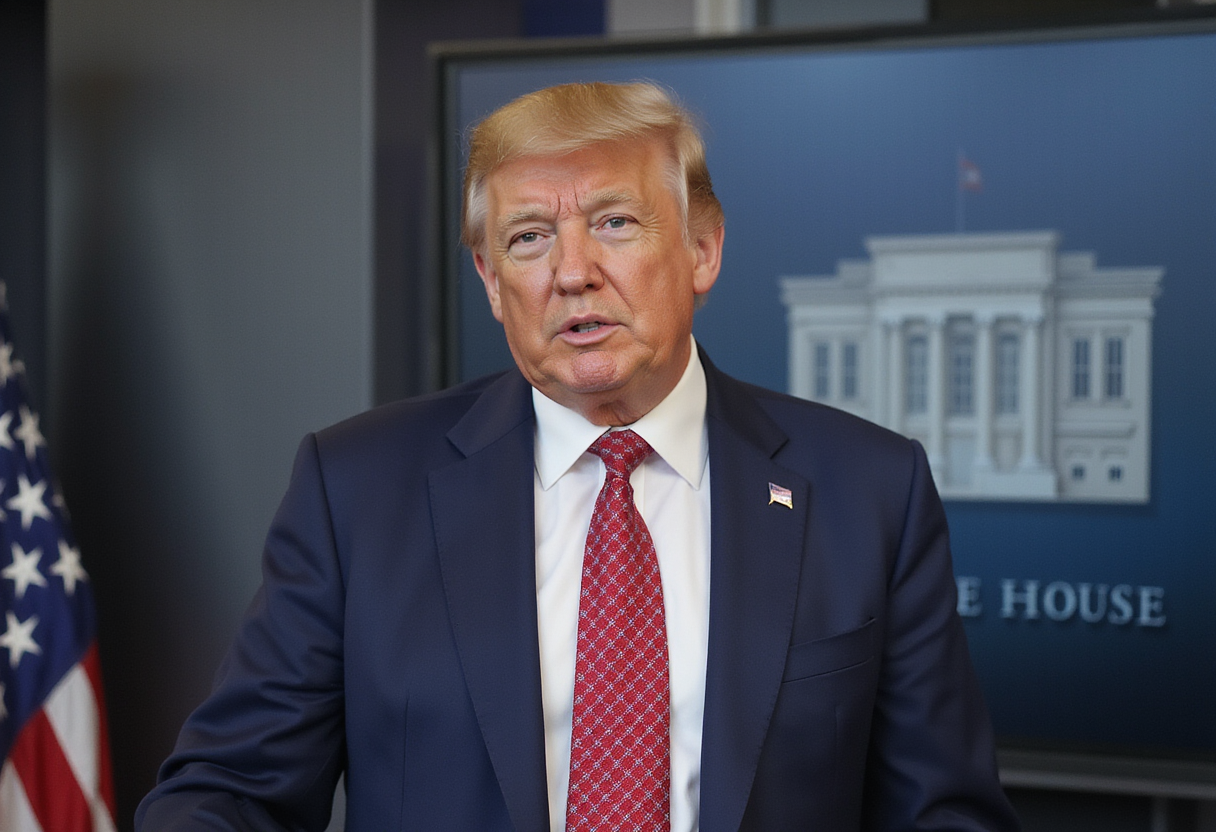
New Trump administration rules governing federal science funding could make American research slower, costlier and harder to share. That's the warning raised by an analysis published by The Conversation, which examined how the administration's policy changes stand to affect laboratories, universities and government agencies that depend on federal dollars.
The United States federal government is the single largest funder of basic scientific research in the country, so rule changes at the funding agencies ripple through nearly every lab that relies on those grants. When the terms of that money shift — how it's awarded, how it's reported, and how results can be communicated — the effects show up in timelines, budgets and publication plans.
The Conversation's analysis frames the consequences in three parts: slower research, higher costs, and reduced sharing of results. Each of these traces back to administrative and policy requirements layered onto the grant process.
What could get slower?
Research depends on predictable funding cycles. Scientists write grant applications, agencies review them, and money flows to labs on a schedule. New rules that add review steps, reporting obligations or compliance checks can stretch those cycles out.
For a typical lab, a delay of even a few months in a grant renewal can mean paused experiments, gaps in staff salaries and interrupted long-term studies. The Conversation's piece argues the administration's changes push in exactly that direction — adding friction to a pipeline that already moves slowly.
What could get costlier?
Compliance isn't free. Universities maintain entire administrative offices to satisfy federal grant requirements, and every new mandate means more staff hours, more paperwork and more legal review before a dollar reaches a bench scientist.
When rules multiply, the overhead attached to each grant grows. That leaves less of every federal dollar for the actual work — the reagents, equipment and personnel that produce results.
What could get harder to share?
The third concern in the analysis concerns the sharing of scientific findings. American research operates on a norm of open publication: results appear in journals, get presented at conferences and feed into the global body of knowledge.
Rules that restrict how, when or whether federally funded researchers can communicate their work would chip at that norm, the analysis suggests. Less sharing means slower progress for other labs that build on published findings, and a weaker position for US science in the international exchange of ideas.
How solid is the picture?
It's worth treating the projections with some care. The Conversation piece analyzes what the rules could do, and predicting administrative effects in advance is an imperfect exercise. Real-world outcomes will depend on how agencies implement the changes and how institutions respond — some may absorb new requirements with modest strain, while others, particularly smaller labs, could feel the squeeze more sharply.
What's not in dispute is the scale of what's at stake. Federal funding underwrites a large share of American basic research — the kind of science that doesn't turn a quick profit but lays the groundwork for medical advances, new materials and technologies years down the line.
Why it matters beyond the lab
Research funding policy tends to look like inside baseball, but its effects surface in everyday life. Treatments, weather forecasting, agricultural yields and communications technology all trace back to federally supported work.
If that work slows down or costs more to produce, the bill eventually arrives — in delayed discoveries, higher research spending and a science enterprise that publishes less. The Conversation's analysis is an early warning, and the research community will be watching implementation closely to see whether the projected drag on American science materializes.
via Google News: Science Funding (Source)
More from Nathan Brooks
Show full bio
Market editor covering companies, deals and strategy in general science news at SciBeat.
220 articles
Nearby plates
- Trump Officials Want to Shift Research Funding Toward Individual Scientists
- White House Stalls Release of Approved US Science Budgets
- White House Redirects Science Funding Toward AI and Individual Researchers
- White House renews push to slash US science agency budgets
- White House Budget Proposal Takes Aim at Research Funding