Plate Nº 78 · recorded November 18, 2026
Health & Medicine ResearchReported finding
107,000-Person Study: Which Blood Pressure Number Predicts Heart Risk?
A 26-year Danish study of 107,000+ people found the top blood pressure number best predicts heart risk, but under-50s shouldn't ignore the bottom reading.
By Nathan Brooks2 min read482 words
In brief
- University of Southern Denmark researchers tracked 107,000+ people aged 19 to 97 for up to 26 years
- Findings published in the journal Hypertension
- The top blood pressure number was the strongest predictor of later heart problems across age groups
- The bottom number added important risk information for adults under 50
- The study found links, not proof that either number alone caused heart problems
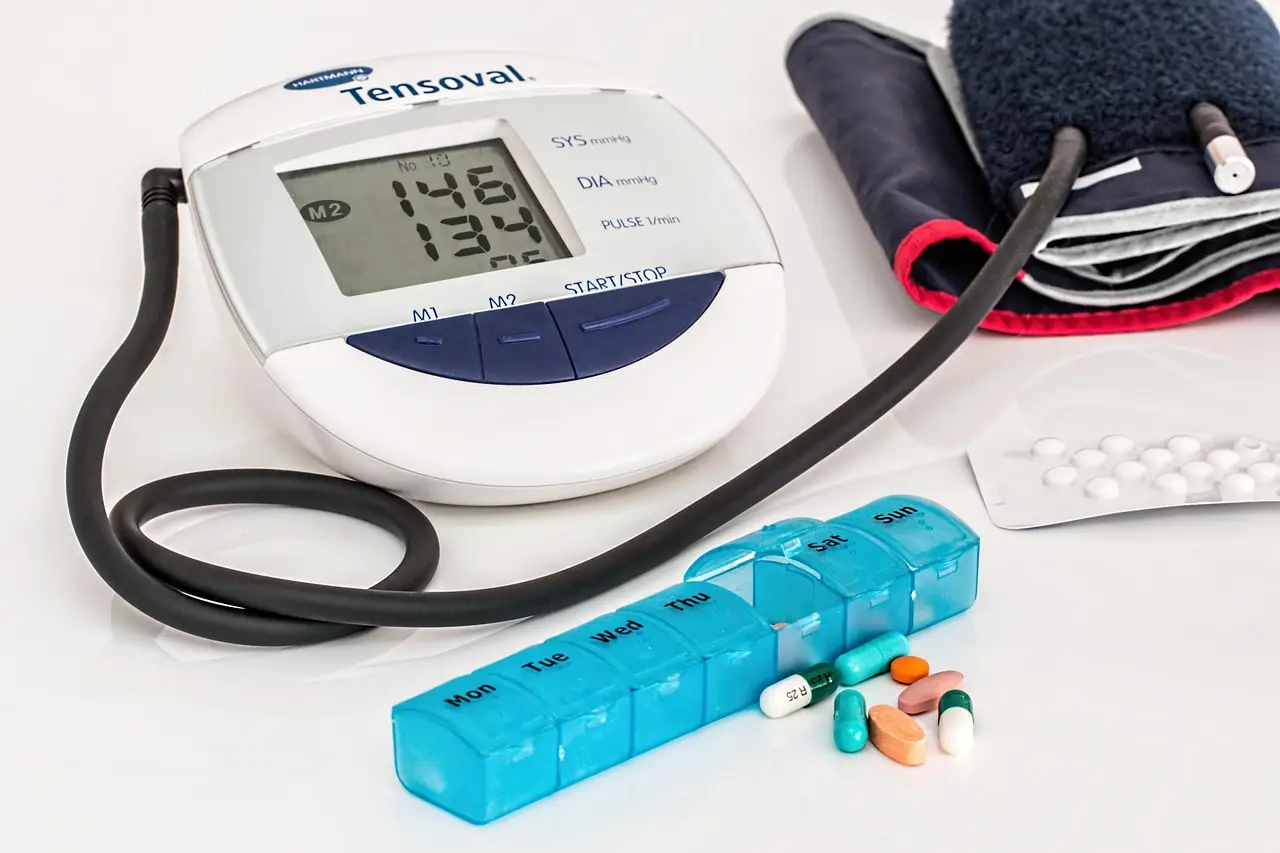
A study tracking more than 107,000 people for up to 26 years confirms that the top number in a blood pressure reading is the stronger warning sign for future heart problems. But it also found the bottom number carries real information for adults under 50 — risk that doctors could miss if they watch only the top figure.
Researchers at the University of Southern Denmark reported the findings in the journal Hypertension. Their dataset covered people aged 19 to 97, none of whom had known heart disease when the study began.
What do the two numbers actually measure?
A reading like 120 over 80 packs in two separate measurements. The top number captures the pressure when the heart squeezes blood into the arteries. The bottom number measures the pressure while the heart relaxes between beats.
Both matter because high pressure quietly damages the walls of blood vessels, even when a person feels completely fine. Over time, that damage raises the risk of stroke, heart attack and harm to other organs. That's why doctors push for blood pressure checks before any symptoms show up.
Why does the top number get most of the attention?
Across the different age groups in the study, the top number proved a strong signal of later heart problems. That fits with how doctors already work — they pay particular attention to it, especially in older adults.
There's a mechanical reason, too. Blood vessels tend to stiffen with age, and that stiffness pushes the top number higher.
What about people under 50?
Here the study adds something useful. In younger adults, a high bottom reading may reveal risk that a top-number-only focus would miss. The researchers also looked at a combined measure of pressure across the full heartbeat, alongside the two standard numbers.
The practical takeaway for younger readers: a "good" top number doesn't automatically clear you. Both figures belong in the conversation with your doctor.
How solid are the findings?
Solid enough to take seriously, with clear limits. Because the study followed people over time, it could identify links between blood pressure and later illness. It did not prove that either number alone caused the problems.
Age, smoking, diabetes and other factors also shape a person's overall heart risk. And one home reading tells you very little. Doctors consider both numbers, repeated measurements and the rest of your health picture before recommending treatment. The best target can also vary with age and medical history.
What actually helps lower high blood pressure?
The study's context points to the familiar, evidence-backed toolkit:
- Regular exercise
- Less salt in the diet
- Healthy food
- Good sleep
- Prescribed medicines, where a doctor recommends them
Because high blood pressure usually has no symptoms, checking both numbers regularly remains one of the simplest ways to catch a potential problem early — before it turns into a stroke or heart attack.
via knowridge.com (Source)
More from Nathan Brooks
Show full bio
Market editor covering companies, deals and strategy in general science news at SciBeat.
460 articles
Nearby plates
- Top Blood Pressure Number Under 130 May Protect Aging Hearts
- AI Search Tools Give Unreliable Answers on Blood Pressure Monitor Validation
- Nearly 6 in 10 People with Hypertension in England Are Undiagnosed
- Masked High Blood Pressure Linked to 70% Higher Fall Risk in Adults Over 78
- Letting Your Arm Hang During a Blood Pressure Check Can Add 6.5 mmHg