Plate Nº 86 · recorded November 17, 2026
Chemistry & MaterialsReported finding
11,000-Year-Old Clay Fragments Show Humanity's First Pottery Trials
Fired clay fragments from Çemka Höyük, Turkey, dated to about 9350 B.C., show communities experimenting with containers millennia before pottery spread.
By Priya Raman3 min read578 words
In brief
- 46 fired clay fragments from Çemka Höyük, Turkey, date to around 9350 B.C.
- The fragments show firing at 600–700°C in what was likely a controlled open fire.
- Pottery became widespread in Southwest Asia only around 7000 B.C., more than 2,000 years after the first villages.
- The study was published in the journal Antiquity in 2026.
- Researchers identified animal dung in the clay mixtures of two fragments.
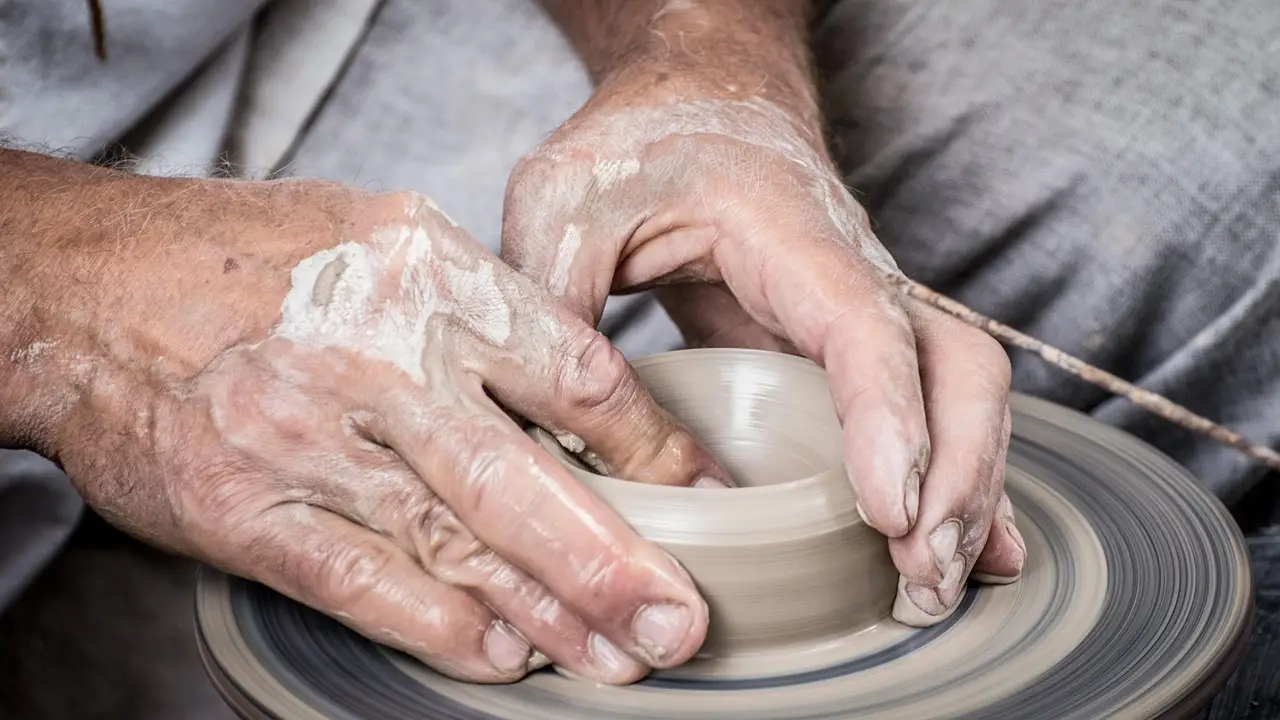
Fragments of fired clay roughly 11,000 years old are forcing archaeologists to rethink how pottery began. A study published in the journal Antiquity shows that communities on the Upper Tigris were experimenting with clay containers long before ceramics became an everyday tool.
The research team examined 46 low-fired clay fragments from Çemka Höyük, a settlement in Mardin province, southeastern Turkey, occupied between approximately 10,800 and 8700 B.C. Rescue excavations uncovered the fragments, which the researchers believe represent nine objects; the team studied eight of them in detail.
Dated to around 9350 B.C., the finds rank among the earliest known fired clay containers in Southwest Asia.
What did the researchers find?
The study brings together professor Rana Özbal and doctoral student Maria Daghmehchi of Koç University's Department of Archaeology and History of Art, associate professor Ergül Kodaş of Mardin Artuklu University, and Natalia Petrova of the Institute of Archaeology of the Russian Academy of Sciences.
The excavation level that produced the fragments dates to the Pre-Pottery Neolithic, the period before pottery became widespread in Southwest Asia around 7000 B.C. — more than 2,000 years after the first villages appeared. The label, however, does not mean people knew nothing about shaping clay into containers.
The assemblage captures remarkable variety:
- Some fragments appear to be clay coatings formed around oval objects made of organic material.
- One piece may have been attached to a container made from a different material to increase its capacity. Holes in it could have held a cord, possibly to secure a lid.
- Other fragments came from vessels built by joining slabs of clay.
- The clay mixtures contained varying amounts of crushed plant material, and the researchers identified animal dung in two examples.
How do we know the clay was deliberately fired?
The team analyzed the fragments with binocular and petrographic microscopy (examination of thin mineral sections under a microscope) alongside X-ray diffraction, a technique that identifies a material's crystal structure.
The minerals in the clay show irreversible changes consistent with firing at approximately 600–700°C (1,112–1,292°F), most likely in a controlled open fire. That evidence points to deliberate firing rather than accidental exposure to heat. These thermal changes distinguish true ceramics from clay that was simply dried in the sun.
Why does this matter for the history of technology?
Clay was already familiar to the inhabitants of Çemka Höyük, who used it to coat their stone walls. The diversity of the new finds suggests that this existing knowledge gave people a starting point for exploring other uses of the material.
The assemblage does not document an established pottery tradition. Instead, it records an experimental phase in which people tested different forms, clay mixtures and construction techniques, including combinations of clay with other materials.
The study places the objects within a broader lesson about technological change: the ability to make a new material does not automatically lead to its widespread adoption. Ceramic containers also had to fit everyday activities, existing practices and community preferences before people embraced them for routine use.
As with much archaeology, the conclusions rest on a small sample — fragments from a single site, with the function of several objects still uncertain. Still, Çemka Höyük preserves rare evidence of this early exploration, helping to explain how clay gradually became a container material long before pottery transformed daily life across the region.
Fire came first; the kitchen pot came much later.
via phys.org/rss-feed/ (Source)
More from Priya Raman
Show full bio
Senior reporter covering people, launches and day-to-day practice in general science news at SciBeat.
476 articles
Nearby plates
- 15,000-Year-Old Clay Figures Rewrite Story of Early Human Creativity
- Clay figurines from 15,000 years ago rewrite Middle East prehistory
- Half a Million Years Ago, Humans May Have Kept Souvenirs
- Child Fingerprints on Ancient Clay Figures Suggest a Shared Craft
- Child Fingerprints on 15,000-Year-Old Clay Figurines