Plate Nº 18 · recorded November 12, 2026
Biology & EvolutionReported finding
2,800-Year-Old Hair From Siberian Tomb Holds Oldest Evidence of Cannabis High
Chemical traces of THC's breakdown product found in 2,800-year-old hair from a Scythian tomb push confirmed psychoactive cannabis use back 300 years — if the analysis holds.
By James Calloway4 min read715 words
In brief
- CBN, a THC breakdown product, appeared in every hair sample from Tunnug 1, dated to about 2,800 years ago.
- Nearly 1,500 cannabis seeds and fragments were found near the burials in the Uyuk Valley, Siberia.
- The find predates the 2,500-year-old Jirzankal Cemetery braziers in China by roughly 300 years.
- A 2024 study documented at least 18 sacrificed horses and one human at the site.
- The study, led by Gino Caspari of the University of Bern, was published in the journal Science.
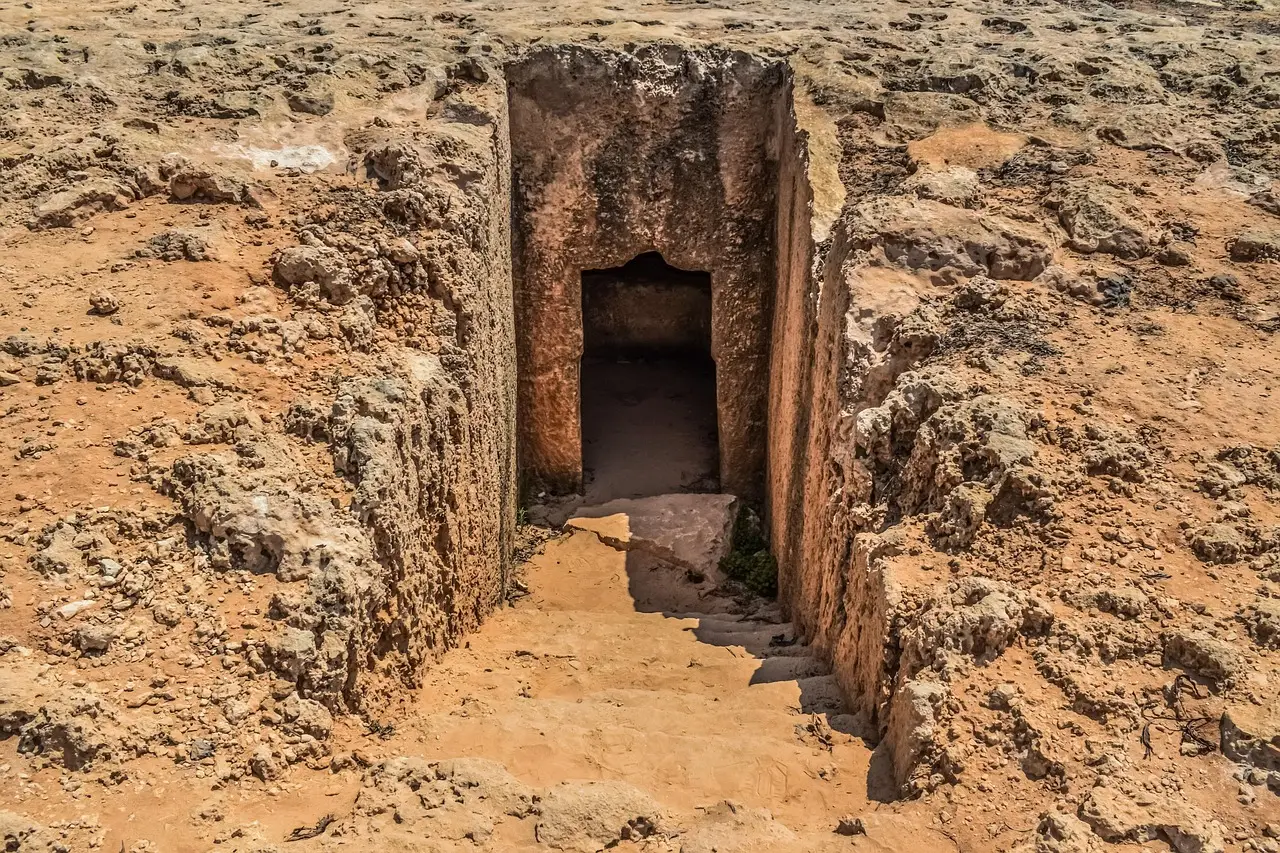
Human hair roughly 2,800 years old, pulled from a burial mound in southern Siberia, carries chemical traces of cannabis intoxication — the oldest direct evidence yet of humans using the plant to get high.
The find comes from Tunnug 1, a monumental burial mound in the Uyuk Valley, a place sometimes called Siberia's Valley of the Kings. It belongs to the earliest period of Scythian culture, the horse-riding peoples who came to dominate vast stretches of the Eurasian steppe.
A research team detected cannabinol (CBN) in every hair sample they analyzed, using a technique called mass spectrometry, which identifies chemicals by their molecular weight. That matters because CBN forms when THC — the compound chiefly responsible for cannabis's intoxicating effects — breaks down through oxidation. The researchers also picked up weaker signatures consistent with THC itself. The study appears in the journal Science.
What did the tomb actually contain?
Plenty. Excavations uncovered wooden burial chambers, log coffins, and hundreds of cannabis seeds — nearly 1,500 seeds and fragments in total — scattered around several burials. Radiocarbon dating puts the seeds' deposition at about 2,800 years ago.
"The seeds show that cannabis played an important role in the rituals surrounding the burial," said Gino Caspari, an archaeologist at the University of Bern and the study's lead author.
But seeds alone prove little about drug use. Ancient people grew cannabis for nutritious seeds and useful fibers. The hair changed that equation.
"One does not very often get to drug test a person who has been dead for nearly 3,000 years," Caspari told The Washington Post. "That's even unusual for an archaeologist."
Fair point. But hold on. Not everyone buys the interpretation.
Did people consume it, or did it just touch them?
Volker Auwärter, a forensic toxicologist at the University Medical Center Freiburg, told the Associated Press the analysis "is scientifically weak." His argument: cannabinoids could have contaminated the hair from outside, with no one ever consuming the plant.
Elisa Guerra Doce, an archaeologist at the University of Valladolid, pushed back. The findings indicate, she told AP, that "cannabis was not merely deposited as a funerary offering but was actually consumed by individuals associated with the burial rite."
Two experts. Two readings. The hair preserves the chemicals; it cannot fully preserve the context.
Were people drugged before they died?
Here the story turns darker. A 2024 archaeological study documented the remains of at least 18 horses and one human in elaborate sacrificial deposits at Tunnug 1. Later excavations found more horse remains and scattered human bones. The researchers suspect some ceremonies involved human sacrifice, though definitive evidence remains elusive.
So could cannabis have sedated victims before death? Caspari floated that idea to the Post. But no direct evidence supports it. Nothing.
Adam Brumm, an archaeologist at Griffith University in Australia who was not involved in the study, put it plainly: "The suggestion that cannabis may have been used to calm individuals selected for ritual sacrifice is intriguing, but remains highly speculative," he told New Scientist.
Cannabis might instead have served as ceremonial incense, masked the smell of decomposing bodies, or fed religious experiences around death. The honest answer is that we don't know.
What does this change for the history of drug use?
It moves the confirmed timeline back by about three centuries. In 2019, researchers found chemical evidence of cannabis burning in wooden braziers at the Jirzankal Cemetery in western China, dated to roughly 2,500 years ago. Tunnug 1 pushes that record deeper. And unlike Jirzankal, where cannabinoids survived on objects, the Siberian site preserves traces inside human hair.
There's also an old text that suddenly looks more credible. Around the fifth century BCE, the Greek historian Herodotus described Scythians crawling under felt coverings after funerals and throwing cannabis onto red-hot stones, howling with delight as they inhaled the fumes. Historians spent centuries debating how literally to take that account.
The broader picture now suggests communities in Central Asia knew the plant's psychoactive properties much earlier than previously confirmed. By the time Herodotus wrote his account, the practice may already have carried a long history.
That's the promise of the find. The caveat? Hair chemistry tells us exposure happened — not intent, not purpose, and certainly not pleasure.
via zmescience.com (Source)
More from James Calloway
Show full bio
Staff writer covering regulation, policy and their impact on general science news at SciBeat.
346 articles
Nearby plates
- Northwestern scientists pinpoint brain cells behind cannabis anxiety
- Major Review Links Cannabis Use to Higher Violence Risk
- Single Magic Mushroom Dose Can Anatomically Change the Brain
- US Medical Cannabis Registrations Jumped 420% From 2016 to 2024
- 66-Million-Year-Old Feather in Dinosaur Poop Sheds Light on Bird Survival