Plate Nº 81 · recorded November 16, 2026
Biology & EvolutionReported finding
34-Million-Year-Old Giant Rodent Fossils Found in Thai Mine
Fossil teeth from a Thai mine reveal Yakamys sirindhornae, a 30 kg rodent from 34 million years ago that pushes rodent gigantism deeper into the past and widens its map to Southeast Asia.
By Marcus Bennett3 min read668 words
In brief
- The new species Yakamys sirindhornae lived about 34 million years ago in southern Thailand.
- Body mass is estimated at roughly 30 kilograms (66 pounds), about twice that of contemporaries like Hulgana.
- Fossils—a lower second molar and lower incisor—were found at the Bang Mark Pit of the Krabi lignite mine.
- The study was published in Scientific Reports in 2026 (DOI: 10.1038/s41598-026-76711-6).
- Estimates rely on seven dental body-mass methods and carry substantial uncertainty, the authors caution.
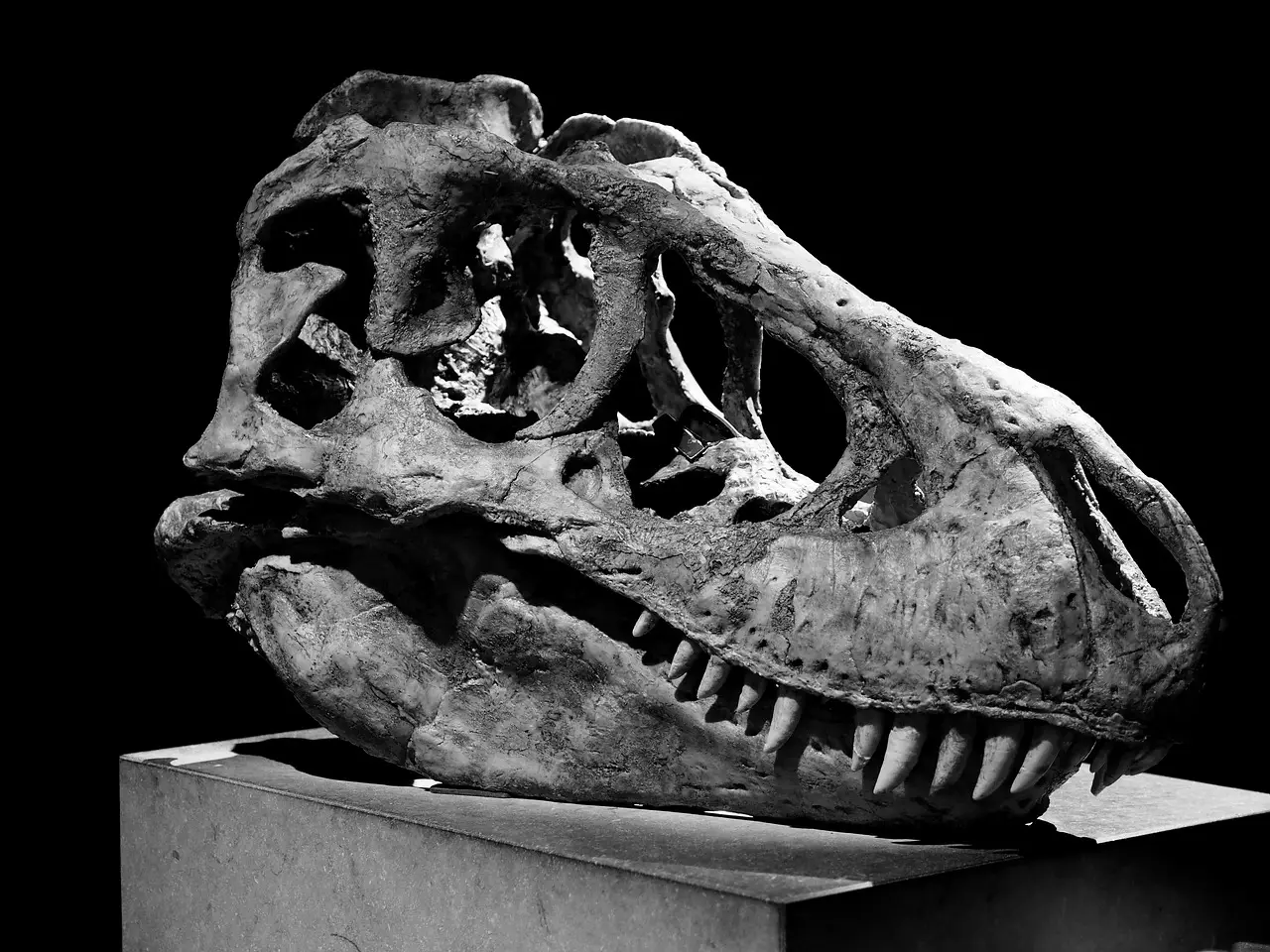
A rodent weighing roughly 30 kilograms (66 pounds) lived about 34 million years ago in what is now southern Thailand, according to fossils described in Scientific Reports. That mass is about twice the size of other known rodents from the same era, and it forces paleontologists to redraw the early timeline of rodent gigantism.
An international team, including researchers from McGill University, recovered fossils of the animal's teeth—specifically a lower second molar and a lower incisor—at the Bang Mark Pit of the Krabi lignite mine in Krabi Province. The find, published in 2026 under the lead authorship of Yaowalak Chaimanee, shows that large-bodied rodents appeared considerably earlier, and across a far wider geography, than the field previously recognized.
Why the discovery matters
Gigantism—the evolutionary process by which animals grow larger over generations—is a familiar pattern in rodent history. Today the capybara of South America holds the title of largest living rodent. Before this find, the story of giant rodents leaned heavily on South American fossils from more recent geological chapters.
"Today, the largest living rodent is the capybara, but very large rodents are not restricted to recent ecosystems," said Virginie Millien, study co-author and professor of biology at McGill University. "Giant rodents evolved repeatedly during the later history of the group, mostly in South America. This discovery suggests that Southeast Asia also played an important role in the early evolutionary history of large-bodied rodents."
In plain terms: Southeast Asia now enters the map of where rodents first experimented with large body sizes, during the mid-Paleogene period, tens of millions of years before the South American giants.
What the fossils actually are
The evidence consists of dental remains, not a skeleton. The team found:
- A lower second molar
- A lower incisor
Both came from the Bang Mark Pit, a working extraction site within the Krabi lignite mine in Krabi Province. The researchers assigned the fossils to a new species, Yakamys sirindhornae.
The genus name combines the Thai word "yak," meaning giant, with the Greek "mys," meaning mouse or rat. The species name carries a civic purpose rather than a descriptive one.
"The species name, sirindhornae, honors Princess Maha Chakri Sirindhorn, in recognition of her longstanding support for science and paleontological research in Thailand," Millien said.
How do you weigh an animal from two teeth?
The researchers applied seven established methods that calculate body mass from dental dimensions. Each approach produced estimates clustering around 30 kilograms—roughly double the mass of Hulgana and other known rodents from the same period.
Millien urged caution on the precision of that figure. "This is only a ballpark figure, as there is substantial uncertainty associated with fossil body-mass estimation," she said.
Dental measurements are standard proxies in vertebrate paleontology because teeth preserve far more often than bone. But proxies carry error bars, and the team flagged them openly.
Who did the work, and where?
The fossils emerged from a collaborative research project on fossil mammals in Thailand's Krabi Basin. The project includes:
- McGill University
- The Department of Mineral Resources of Thailand
- French research institutions, including CNRS and Université de Poitiers
The paper, by Yaowalak Chaimanee et al., appears in Scientific Reports (2026) under the title "A giant eocene ischyromyid from Southeast Asia reveals the early evolution of rodent gigantism" (DOI: 10.1038/s41598-026-76711-6).
What the study cannot yet tell us
Because the fossil material is limited, the researchers stated that it remains difficult to determine exactly how Yakamys evolved. Its biology, ecology and full evolutionary history will require further discoveries—additional specimens, ideally more complete ones, from the Krabi Basin and elsewhere in the region.
For practitioners, the practical takeaway is straightforward: Southeast Asian Eocene deposits deserve renewed attention in searches for early large-bodied mammals, and the Krabi lignite mine has now proven itself a productive site.
Two teeth from a Thai mine have pushed the story of giant rodents back in time and out across a new continent.
via phys.org/rss-feed/ (Source)
More from Marcus Bennett
Show full bio
News editor covering regulation, policy and their impact on general science news at SciBeat.
432 articles
Nearby plates
- Two Teeth From a Thai Coal Mine Rewrite Rodent Giant History
- Gobi Desert Fossil Rewrites 40-Year Mammal Evolution Theory
- 120-Million-Year-Old Mammal Fossil Had Three Sets of Teeth
- Animals May Have Evolved 200 Million Years Earlier Than Fossils Show
- New Dinosaur Weighed 400 kg at Age Three — and Wasn't Done Growing