Plate Nº 79 · recorded November 14, 2026
Health & Medicine ResearchReported finding
600,000 Heart Procedures, Only 7,000 Trial Patients: The Evidence Gap
A Mass General Brigham review finds a popular stroke-prevention heart procedure has been done 600,000+ times but tested in only 7,000 randomized trial participants.
By Nathan Brooks3 min read575 words
In brief
- Left atrial appendage closure has been performed more than 600,000 times globally, but randomized trials included just over 7,000 participants.
- The review was published in the Journal of the American College of Cardiology in November 2026 by researchers led by Mass General Brigham.
- Some trials compared the procedure against warfarin rather than newer blood thinners.
- Many trials only tested whether the procedure was not much worse than medication, not whether it was better.
- The procedure may still be reasonable for patients who cannot safely take long-term blood thinners.
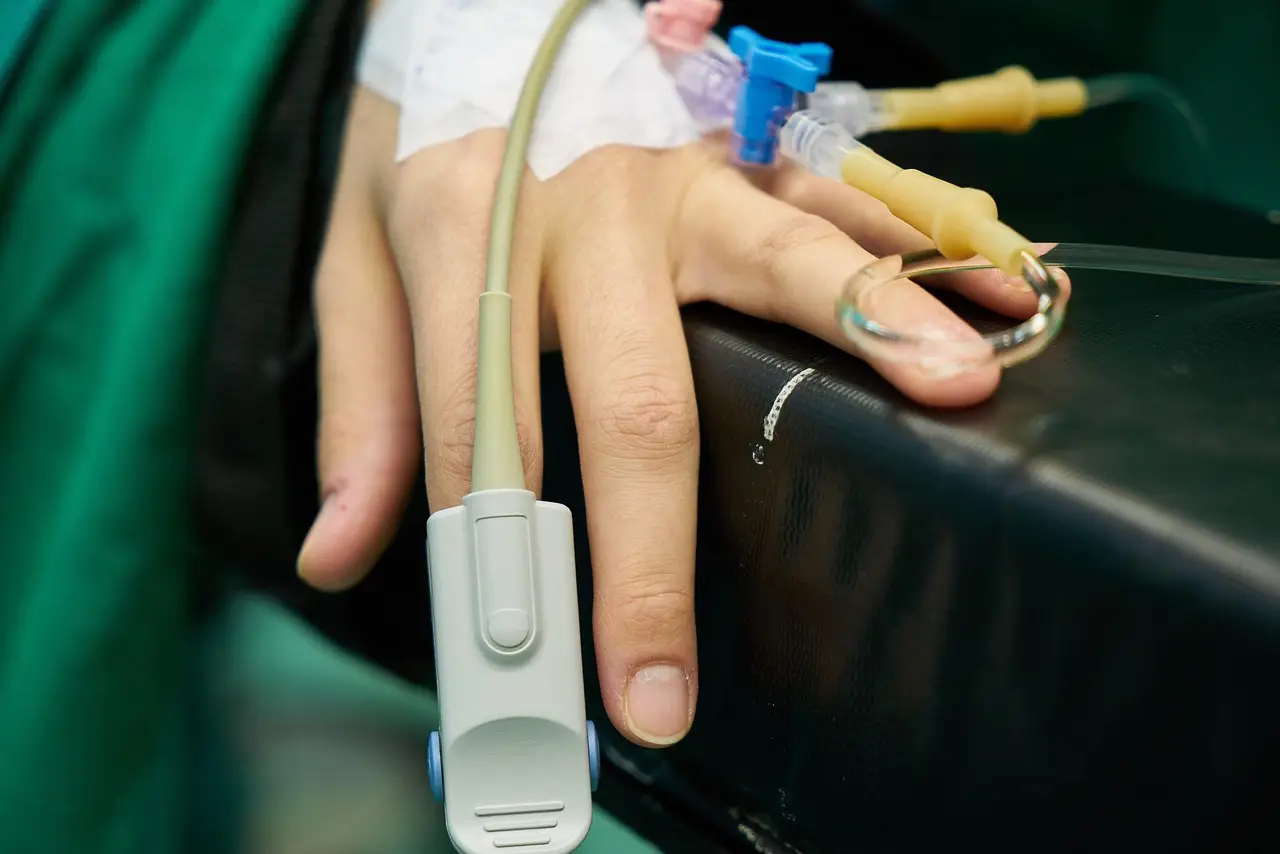
Doctors have performed a popular stroke-prevention heart procedure more than 600,000 times worldwide. Yet the randomized trials backing it up included just over 7,000 participants in total — roughly one tested patient for every 85 procedures carried out.
That mismatch is the central finding of a new review published in the Journal of the American College of Cardiology in November 2026. Researchers led by Mass General Brigham concluded that blood-thinning drugs still rest on stronger evidence for most patients who can take them safely.
What condition does the procedure target?
The treatment aims to prevent stroke in people with atrial fibrillation, often shortened to AF. In this condition, the heart's upper chambers beat irregularly, and blood can pool instead of flowing smoothly through the heart.
Pooled blood can clot. If a clot travels to the brain and blocks an artery, the result can be a life-threatening stroke.
Blood thinners lower that danger, but they carry their own problem: bleeding. That trade-off is why doctors have searched for alternatives for patients who struggle with these medicines.
How does the procedure work?
The treatment is called left atrial appendage closure. Surgeons place a device through a thin tube — a catheter — to seal a small pocket in the heart where many clots form. No open-heart surgery is involved.
Closing the pocket looks like a straightforward fix. It isn't a complete one, though. The procedure doesn't remove every possible source of blood clots, and the device itself can sometimes become a spot where clots develop.
Why did researchers doubt the evidence?
The Mass General Brigham team reviewed the major trials of the procedure and found several weaknesses in how it was tested:
- Small numbers. Over 600,000 procedures performed globally, but randomized trials covered just over 7,000 participants.
- Inconsistent designs. The trials enrolled different kinds of patients, used different devices and followed people for different lengths of time, making direct comparisons hard.
- Outdated comparators. Some studies tested the procedure against warfarin, an older blood thinner, rather than the newer medications many patients take today. A result against an older drug may not show which option is best now.
- A weaker bar for success. Many trials were designed to test whether the procedure was not much worse than medication — not whether it was better at preventing strokes.
What happens when patients stop medication afterward?
The review flagged another reason for caution. When patients stopped taking clot-preventing medicines after the procedure, researchers found warning signs, including possible clots in the veins.
The procedure also carries immediate risks of its own. Those have to be weighed against the ongoing bleeding risks that come with staying on medication — a balance that varies from patient to patient.
Does this mean the procedure should be abandoned?
No. The findings don't rule out closure for everyone. For selected people who cannot safely continue long-term blood thinners, the procedure may remain a reasonable option.
The review's central lesson is that treatment choice shouldn't be driven by convenience alone. And the analysis has its own limits: because it's a review of existing trials rather than a new head-to-head study, it can't settle every open question.
More directly comparable trials are needed, the researchers argue, before doctors can confidently expand use of the procedure. Until then, the 600,000-procedure count keeps growing faster than the evidence base behind it.
via knowridge.com (Source)
More from Nathan Brooks
Show full bio
Market editor covering companies, deals and strategy in general science news at SciBeat.
371 articles
Nearby plates
- Blood thinners cut serious events 69% in intermediate-risk AF
- Injectable scaffold helps mouse brains rebuild tissue after stroke
- Blood Thinner Dabigatran Shows Unexpected Promise Against Arthritis
- AstraZeneca and Ionis Heart Drug Fails Major Study
- A Simple Shared Treatment Plan Helped 90,000 Patients Control Blood Pressure