Plate Nº 66 · recorded November 11, 2026
Biology & EvolutionReported finding
70 Million Reptile Skins, Fewer Than 50 Species: Trade No Top Threat
Two 2026 analyses find 70 million reptile skins came from under 50 species, and most pet reptiles are captive-bred — trade is not the top threat.
By Marcus Bennett4 min read765 words
In brief
- More than 70 million reptile skins were traded between 2000 and 2020, drawn from fewer than 50 of over 10,000 known reptile species.
- A 2026 study analyzed over 340,000 live reptiles and amphibians offered for sale in the US and UK between 1989 and 2004.
- Australia's most threatened reptiles and frogs have declined by 96% on average since 1985.
- Studies appear in Scientific Reports (DOI: 10.1038/s41598-026-58104-x) and Conservation Biology (DOI: 10.1111/cobi.70390).
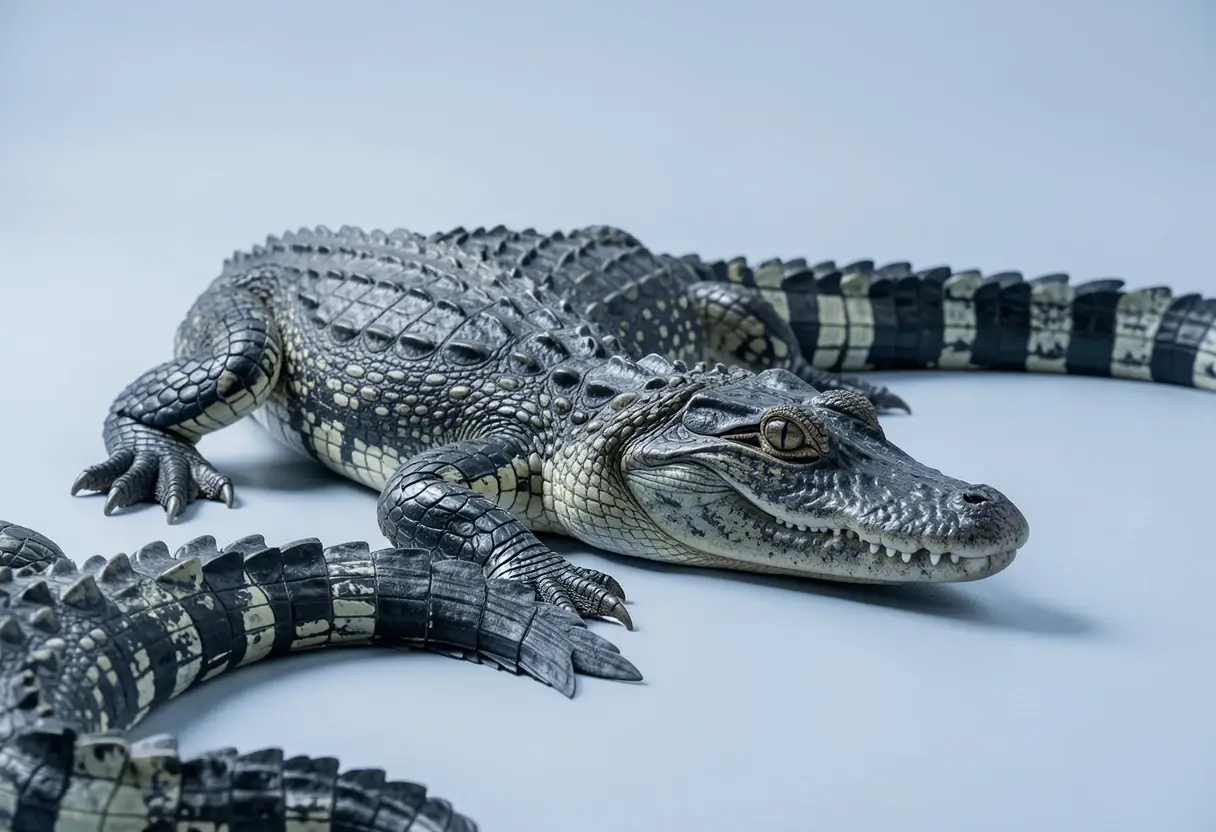
More than 70 million reptile skins traded worldwide between 2000 and 2020 came from fewer than 50 species — a sliver of the more than 10,000 known reptile species — and wild populations of the most heavily traded animals still appear healthy. That is the headline finding of two new analyses published in Scientific Reports and Conservation Biology, which together suggest the commercial reptile trade poses far less risk to reptiles than habitat destruction, invasive pests and climate change do.
What did the skin trade analysis find?
A group of International Union for the Conservation of Nature (IUCN) reptile experts, led by Timothy Colston, a co-author of the study, trawled through skin trade data collected between 2000 and 2020. They collated records kept by the IUCN, government agencies and conservation organizations, plus counts maintained under the Convention on International Trade in Endangered Species (CITES) — the treaty that tallies how many individual animals and skins move across borders, with national quotas covering species not on its lists.
The result: more than 70 million skins from mostly crocodiles, snakes and lizards, drawn from fewer than 50 species.
Why do these species cope? The researchers point to their biology. Most are ecological generalists — animals that thrive across a range of habitats and typically reproduce quickly. Many also benefit from sustained research and population management.
In plain words: we take enormous numbers of skins from a very small set of adaptable, fast-breeding species, and those species are holding up.
What about the pet trade?
A 2026 study by a team of Australian researchers assembled data on more than 340,000 live reptiles and amphibians offered for sale by commercial traders in the United States and United Kingdom between 1989 and 2004. The team analyzed that era's hard-copy price lists, published just before online reptile sales replaced them.
The lists were dominated by a handful of docile, colorful lizards and snakes:
- kingsnakes
- corn snakes
- pythons
- Australian bearded dragons
- leopard geckos
These species share useful traits: they mature quickly, reproduce rapidly and adjust well to captivity. The data show most pet reptiles are born or hatched in captivity rather than taken from the wild. Buyers often prefer captive-bred animals because they are less likely to carry stress or disease, and captive breeding produces more vividly colored animals.
Wild reptiles and amphibians are still collected, by both legal and illegal methods. But the analysis suggests these activities have little impact on the health of wild populations — with one exception. Species restricted to small islands, or with very slow growth and reproduction such as turtles, remain vulnerable. For them, removing even a few adult females can dent a slowly reproducing population.
In plain words: the pet market runs overwhelmingly on captive-bred animals, and only slow-breeding species face real risk from collection.
Where does this leave conservation?
The authors frame their results against a grim backdrop. In Australia, the country's most threatened reptiles and frogs have declined by 96% on average since 1985, driven by habitat destruction, pesticide use, natural disasters, diseases and invasive species such as cane toads and cats — with human-induced climate change remaining the foremost threat to wildlife worldwide.
Their argument cuts against the most visible enforcement actions. Confiscating smuggled lizards at an airport feels decisive, but, as the authors note, arresting someone hiding a few common lizards does nothing to protect wild populations of that species. Far fewer wild reptiles are traded, they write, than are run over by cars, harvested for traditional medicines, or killed by habitat destruction, invasive pests, disease or climate change.
Bans can backfire. outlawing a sustainable skin trade, they argue, may foster illegal trade and remove incentives for locals to protect certain animals.
Some people will still oppose trading wild animals on ethical and animal welfare grounds, and the authors do not dismiss that position. Their claim is narrower: the evidence points elsewhere for the threats that matter.
The findings are preliminary in scope — two analyses, each covering a defined trade window — and both carry limits, including reliance on price lists that predate online sales. Even so, the direction is clear.
In plain words: protecting reptiles means tackling warming, pests and habitat loss, not just the threats that make the evening news.
Publication details: Timothy J. Colston et al., A global assessment of reptiles in the skin trade, Scientific Reports (2026), DOI: 10.1038/s41598-026-58104-x; Richard Shine et al., The commercial trade in exotic pets has had little impact on wild populations of reptiles and amphibians, Conservation Biology (2026), DOI: 10.1111/cobi.70390.
via phys.org/rss-feed/ (Source)
More from Marcus Bennett
Show full bio
News editor covering regulation, policy and their impact on general science news at SciBeat.
370 articles
Nearby plates
- Zoos Rarely Rearrange Collections When Species Risk Shifts
- Green turtles rebound to 'least concern' amid steep global wildlife declines
- Climate Change Is Already Harming Skin Health, Global Study Finds
- Armored amphibian fossils show a life far from freshwater
- Record Leatherback Nests in Ecuador Offer Hope for a Dying Turtle Subspecies