Plate Nº 39 · recorded November 11, 2026
Biology & EvolutionReported finding
Smithsonian Team Restores the First Animal Name in Science to a Real Spider
Researchers have designated a neotype for Araneus angulatus, the first animal named with binomial nomenclature, after its original 1757 type specimens disappeared decades ago.
By Nathan Brooks4 min read721 words
In brief
- Araneus angulatus, described in 1757, was the first animal species named using binomial nomenclature.
- The original type specimens vanished sometime between 1858 and 1965.
- Researchers confirmed the new neotype through DNA sequencing matched against the species' genome, published in 2025.
- In 1948, the International Commission on Zoological Nomenclature exempted Clerck's 1757 work — the only such exemption in zoology.
- The neotype will be housed at the Swedish Museum of Natural History, with tissue stored at minus 190 degrees Celsius.
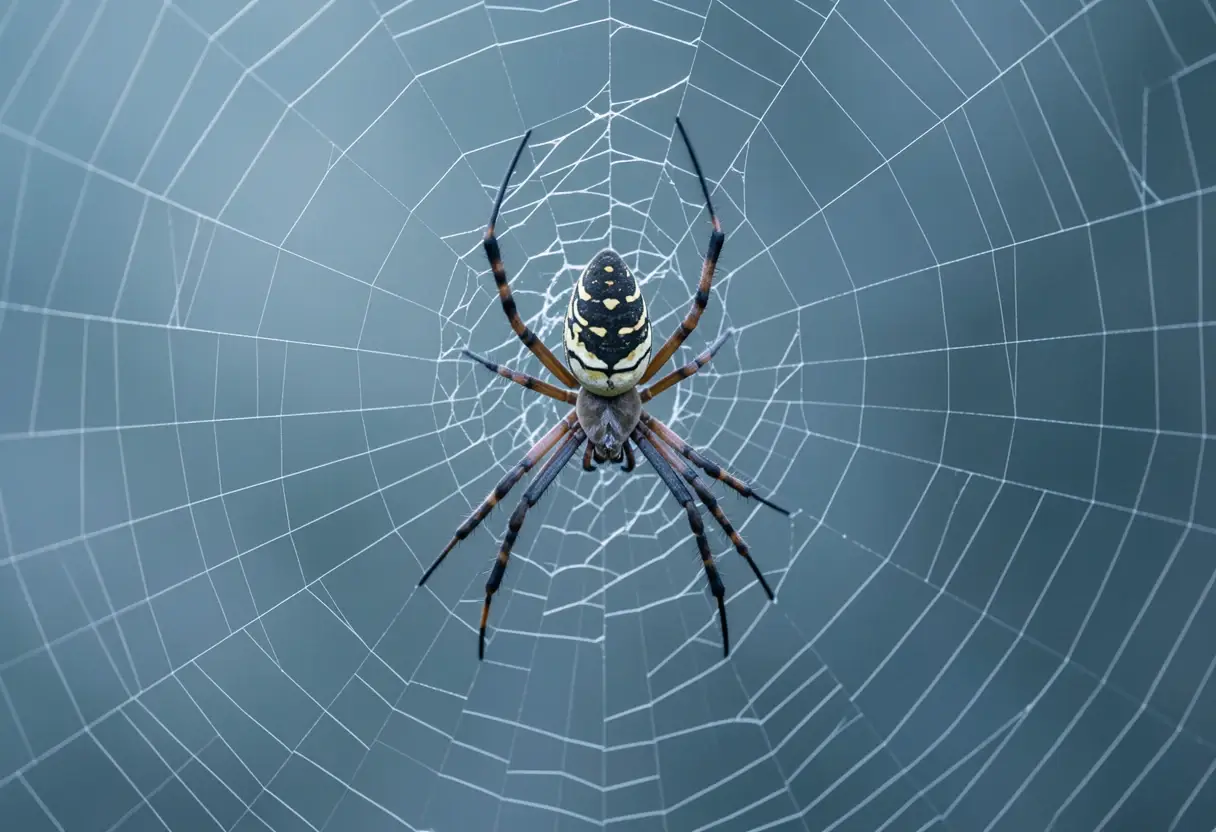
For the first time in at least 60 years, the first animal species ever given a two-part scientific name has a physical specimen to anchor it. In a paper published in the journal Taxonomy, researchers led by the Smithsonian's National Museum of Natural History designated a new "neotype" — an official replacement reference specimen — for the spider Araneus angulatus, a species first described in 1757.
The story starts with Carl Alexander Clerck, a Swedish government official turned arachnologist. In 1757, he published Svenska Spindlar, a book describing 66 spider species, starting with A. angulatus. That makes it the first animal ever named using binomial nomenclature — the two-word naming system, like Homo sapiens, that scientists still use today.
Why did the name need fixing?
Clerck preserved three A. angulatus spiders as "types," the specimens that legally define what a scientific name refers to. But those specimens vanished sometime between 1858 and 1965.
"That meant that the scientific name Araneus angulatus was suddenly unmoored from reality," said arachnologist Jonathan Coddington, an emeritus researcher and curator at the museum. "There was no specimen to show exactly what this name actually means."
That gap mattered. A. angulatus comes in a range of color patterns and lives from Europe to Korea, so without a type, researchers struggled to define where the species actually begins and ends.
How did Clerck beat Linnaeus to animals?
Here's the twist most biologists outside arachnology don't know. Carl Linnaeus invented binomial nomenclature and applied it to plants in 1753. But Clerck applied it to animals first, a year before Linnaeus' landmark 10th edition of Systema Naturae in 1758, which named thousands of animal species and borrowed some of Clerck's spider names.
In 1892, a congress of taxonomists ruled that zoological naming officially began with Linnaeus' 1758 book — voiding everything published earlier, including Clerck's work. Arachnologists pushed back, and in 1948 the International Commission on Zoological Nomenclature exempted Clerck's 1757 publication. It remains the only such exemption ever made in zoological nomenclature.
"A lot of scientists outside arachnology don't know that Clerck trumps Linnaeus," Coddington said. "This made it official that A. angulatus was the first animal ever described this way."
How did the team confirm the new specimen?
Coddington's project began as a passion endeavor during his 40-year career at the museum, then grew into an international effort he compared to a historical thriller "in the vein of the Da Vinci Code."
"This science spans centuries, involves major historical figures and culminates with a scientist going out to an island in the middle of the Baltic Sea to catch eight spiders," he said.
The team gathered fresh specimens from three countries:
- Matjaž Gregorič of the Slovenian Academy of Sciences and Arts collected spiders from Montenegro, Serbia and Slovenia.
- Raul Vicente of the Swedish Museum of Natural History collected eight spiders from a Baltic Sea island off southern Sweden, near where Clerck likely worked.
The researchers compared the spiders against Clerck's original illustrations and descriptions. Then they took the genetic route: they removed a leg from one specimen and sequenced a gene that acts like a unique serial number for a species. That code matched A. angulatus' full genome, which was published in 2025 through the Darwin Tree of Life initiative.
The match confirmed the identity — and it hinted at more work ahead. The genetic data suggest some spiders in southeastern Europe and Asia currently labeled A. angulatus may actually be several distinct species hiding behind one name.
The team designated one male spider from Sweden as the neotype. Coauthor Taina Litwak, a scientific illustrator at the museum, illustrated the male and female spiders from the same site.
Where will the specimens live?
The neotype will join Clerck's surviving specimens at the Swedish Museum of Natural History. Six other Swedish spiders will enter the Smithsonian's national insect collection, which already holds more than 350,000 type specimens. Coddington will also deposit a tissue sample in the museum's Biorepository.
"It's going to be stored at minus 190 degrees Celsius in perpetuity because the Smithsonian is in the forever business," he said.
The paper is Coddington et al., "What's a Spider? Designation of the Neotype for the First Animal Species Ever Described, Araneus angulatus Clerck 1757," Taxonomy (2026).
via phys.org/rss-feed/ (Source)
More from Nathan Brooks
Show full bio
Market editor covering companies, deals and strategy in general science news at SciBeat.
325 articles
Nearby plates
- Forgotten Museum Fossil Reveals New European Clawed Dinosaur
- Tiny beetle in 53-million-year-old amber named for Twenty One Pilots
- Animals May Have Evolved 200 Million Years Earlier Than Thought
- Dinosaur Blood Traces Found in 115-Million-Year-Old Bone
- Animals May Have Evolved 200 Million Years Earlier Than Fossils Show