Plate Nº 68 · recorded November 17, 2026
Neuroscience & MindReported finding
91.5% of psychedelic users report a strange feeling of coming home
A survey of 1,050 people finds 91.5% of psychedelic users felt profound familiarity on a trip, rating it deeper than childhood memories or déjà vu — with heavy caveats.
By James Calloway6 min read1,164 words
In brief
- 91.5% of surveyed psychedelic users reported familiarity during at least one trip; 41 felt it on their first-ever trip.
- 84.9% rated psychedelic familiarity as more profound than a cherished personal memory; 82.5% said the same about déjà vu.
- The anonymous survey ran November 2024–February 2025, with 1,050 completions from 1,420 who opened it.
- 82.9% saw the familiarity as authentic reconnection, and 52.8% reported lasting emotional or spiritual changes.
- DMT (75.8%) and psilocybin (63.0%) users reported familiarity most often.
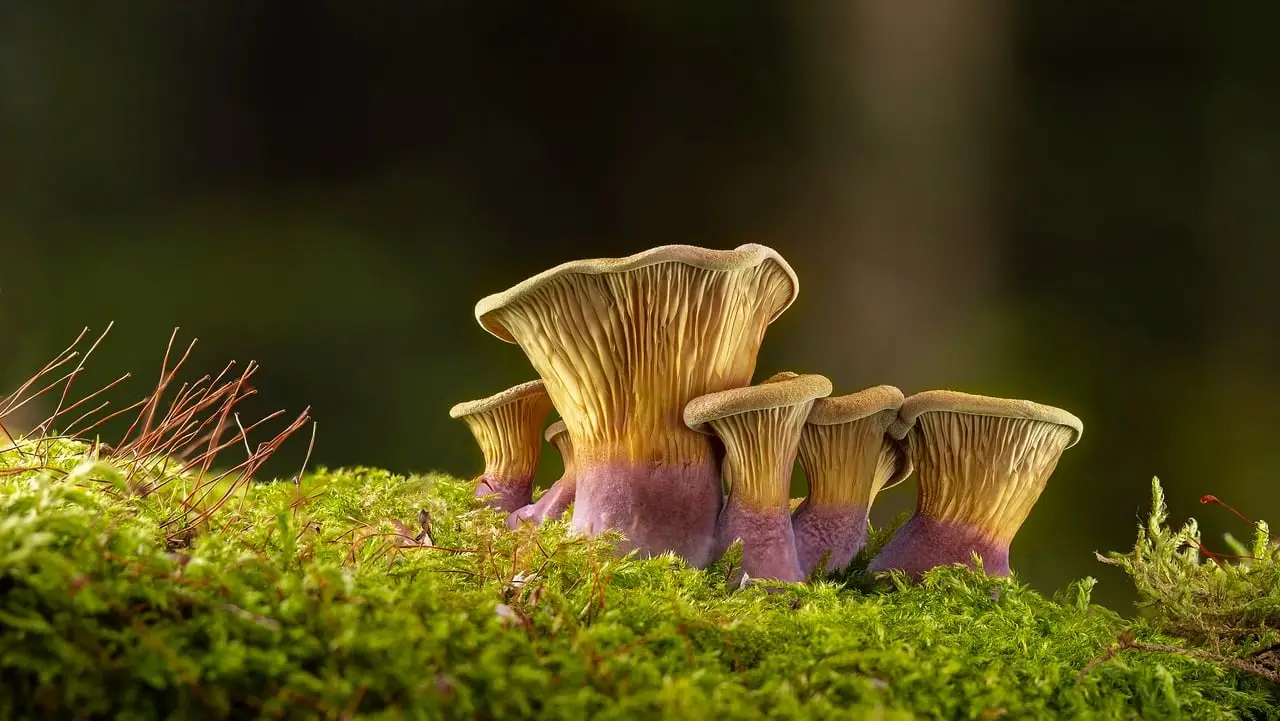
Nine in ten people with a history of psychedelic use — 91.5% — say at least one trip produced an uncanny sense of familiarity, as though they were returning somewhere deeply known. That is the headline figure from a comparative survey published in the Journal of Psychoactive Drugs, and it points to a subjective effect that sits oddly beside everything else psychedelics do.
The paradox is the point. Classic psychedelics such as psilocybin (the active compound in "magic mushrooms"), LSD and DMT typically make perceptions feel strikingly new — vivid imagery, dissolving sense of self, impossible geometry. Yet users describe a powerful sensation of coming home, even on their very first trip. Forty-one people in the survey reported exactly that: familiarity the first time they ever took a psychedelic.
"I kept coming back to that paradox," said lead author David Wyndham Lawrence, an associate professor at the University of Toronto's Temerty Faculty of Medicine. "How could something so far removed from ordinary experience feel so deeply familiar?"
How the study worked
Memory researchers split recognition into two processes. Recollection retrieves specific details of when and where something happened, and depends on the hippocampus, a deep brain structure. Familiarity is the bare sense of having encountered something before, handled largely by the outer cerebral cortex — like recognizing a face on a bus without knowing where from.
Lawrence, with Manoj K. Doss of the University of Texas at Austin and Akira Robert O'Connor of the University of St Andrews, ran an anonymous online survey between November 2024 and February 2025. They recruited English-speaking adults through Reddit, X, Discord, Instagram, Facebook and email. Of 1,420 people who opened it, 1,050 completed data for at least one of three conditions: a psychedelic trip, a familiar everyday memory, or a typical déjà vu episode. Respondents were mostly male (76.4%) and white (77.0%), largely in the United States or Canada.
Each participant rated an experience on a 19-item Sense of Familiarity Questionnaire, scoring each item from 0 ("not at all") to 5 ("extreme, more than any other time in my life"). The items cover comfort, nostalgia, belonging and remembering, plus transcendent themes such as meeting a familiar entity or visiting an eternal realm. Separate 1-to-7 ratings captured emotional intensity, comfort, novelty, strangeness and anxiety.
What did people report?
The numbers stack up fast.
- 868 participants completed the psychedelic section; 800 had prior psychedelic use.
- Familiarity was most common among DMT users (75.8%) and psilocybin users (63.0%), followed by roughly half of LSD, ayahuasca and 5-MeO-DMT users, and between a fifth and three-tenths of MDMA, mescaline, salvinorin A and ketamine users.
- When naming the single substance behind their strongest familiarity, respondents most often picked DMT (34.7%) and psilocybin (31.3%).
- 95.5% said the familiarity arose during the trip itself, and 75.9% of those who specified a stage placed it at the peak.
- 69.2% attached the feeling to their conscious state or emotions rather than physical objects.
Head-to-head comparisons were stark. Among those who answered, 84.9% rated their psychedelic familiarity as more profound than a cherished autobiographical memory, and 82.5% rated it as more profound than déjà vu. On transcendent items — an infinite realm, a home for consciousness — psychedelic trips scored medians of 4 or 5, while personal memories and déjà vu both scored 0. Statistical models put the probability of a maximum rating on those items at 49.3% to 58.2% for trips, versus 0.1% or less for the non-drug states.
Even on plain warmth, trips won. Models estimated a 51.8% probability of a top score on "feels like home," nearly double the 27.9% for personal memories like childhood homes. Déjà vu rarely felt like home at all (4.1%). Trips also scored a median comfort of 7, beating autobiographical memories (6) and déjà vu (4), while matching déjà vu on strangeness and novelty. Anxiety stayed low across all three.
"People rated their psychedelic experiences as more familiar and more novel, as well as more emotionally intense and more comforting," Lawrence said. "Something can feel deeply familiar even as it feels entirely new."
How real did it feel?
Mostly, very. 82.9% of those who rated its nature saw the familiarity as an authentic reconnection rather than a drug illusion. 85.7% said it positively shaped their trip, against 2.7% who reported a negative effect. Just over half (52.8%) of those answering a follow-up reported lasting changes: emotional transformation, interconnectedness, altered views of reality, spiritual awakening, and greater comfort with mortality.
Here the skeptic's hat goes on. Believing you visited a realm beyond birth and death is, the researchers themselves stress, a description of how the experience felt — not evidence that such a place exists. "Our data also don't show that psychedelics or this feeling improve mental health," Lawrence cautioned, invoking what he calls "ontological tourism" as a pitfall.
Why might this happen?
The study measured no brain activity, so the mechanisms are proposals. One idea: psychedelics uncouple the brain's sense of recognition from actual memory retrieval. An earlier lab experiment co-authored by Doss found psilocybin and the synthetic psychedelic 2C-B reduced accurate recall of image details while increasing false feelings of familiarity for new, emotionally charged pictures.
An alternative within a single trip: because classic psychedelics boost familiarity-based memory encoding, impressions formed early in a session may feel intensely familiar later in the same trip, mistaken for older memories. The distribution of serotonin 2A receptors — psychedelics' main target — also fits: they excite outer cortical regions tied to familiarity while activating inhibitory cells in the hippocampus.
What does this change for therapy?
Possibly something, if the feeling matters clinically. Drawing on the mere exposure effect — familiar things feel likable and safe — the authors suggest this welcoming recognition could help patients feel grounded during psychedelic therapy and support post-session integration. But that is a hypothesis, not a finding.
And the caveats are substantial. The sample skews toward experienced male users recruited from online psychedelic communities, so people with vivid, positive experiences were likelier to volunteer; the high prevalence does not reflect everyone who takes these drugs. Side-by-side comparisons may have nudged participants to rate drug experiences more strongly, a bias known as demand characteristics. Participants rated their single strongest trip, 42.6% of them recalled from over a year earlier, on a questionnaire originally built from DMT reports. Doses were self-estimated, subgroups for compounds like MDMA and 5-MeO-DMT had fewer than 20 respondents each, and co-author Doss discloses advisory work with VCENNA plus research support from several foundations including the Heffter Research Institute.
Controlled prospective trials with standardized doses and real-time tracking will decide whether familiarity is a clinical feature worth supporting. Until then, treat the coming-home feeling as a well-documented curiosity — not a proven doorway.
via psypost.org (Source)
More from James Calloway
Show full bio
Staff writer covering regulation, policy and their impact on general science news at SciBeat.
473 articles
Nearby plates
- Single Magic Mushroom Dose Can Anatomically Change the Brain
- Psilocybin Rewires Stressed Mouse Brains Without the Trip, Study Finds
- McGill Launches Largest-Ever Psychedelics Study for Mental Health
- Five Labs, One Psychedelic: Psilocybin's Lasting Effects Fail Replication
- DMT Shifts Brain's Critical State, and It Tracks Ego Dissolution