Plate Nº 66 · recorded November 16, 2026
Earth & ClimateReported finding
Africa Demands $120 Billion a Year in Climate Finance at COP31
African ministers arrive united at COP31 in Antalya, demanding $120 billion a year in adaptation finance and calling unmet climate pledges a matter of injustice, not misfortune.
By James Calloway4 min read804 words
In brief
- Africa emits about 4 percent of global greenhouse gases but loses 2 to 5 percent of GDP yearly to climate extremes
- International adaptation finance reached only $28-32 billion in 2024 against Africa's estimated $305 billion annual need by 2035
- The Loss and Damage Fund offered $250 million against $2-3 billion in requests, $1.4 billion from African nations
- Current financial flows cover barely 11 percent of the $277 billion a year Africa needs for its climate plans through 2030
- COP32 is scheduled for November 2027 in Addis Ababa, with Ghana expected to chair the African Union that year
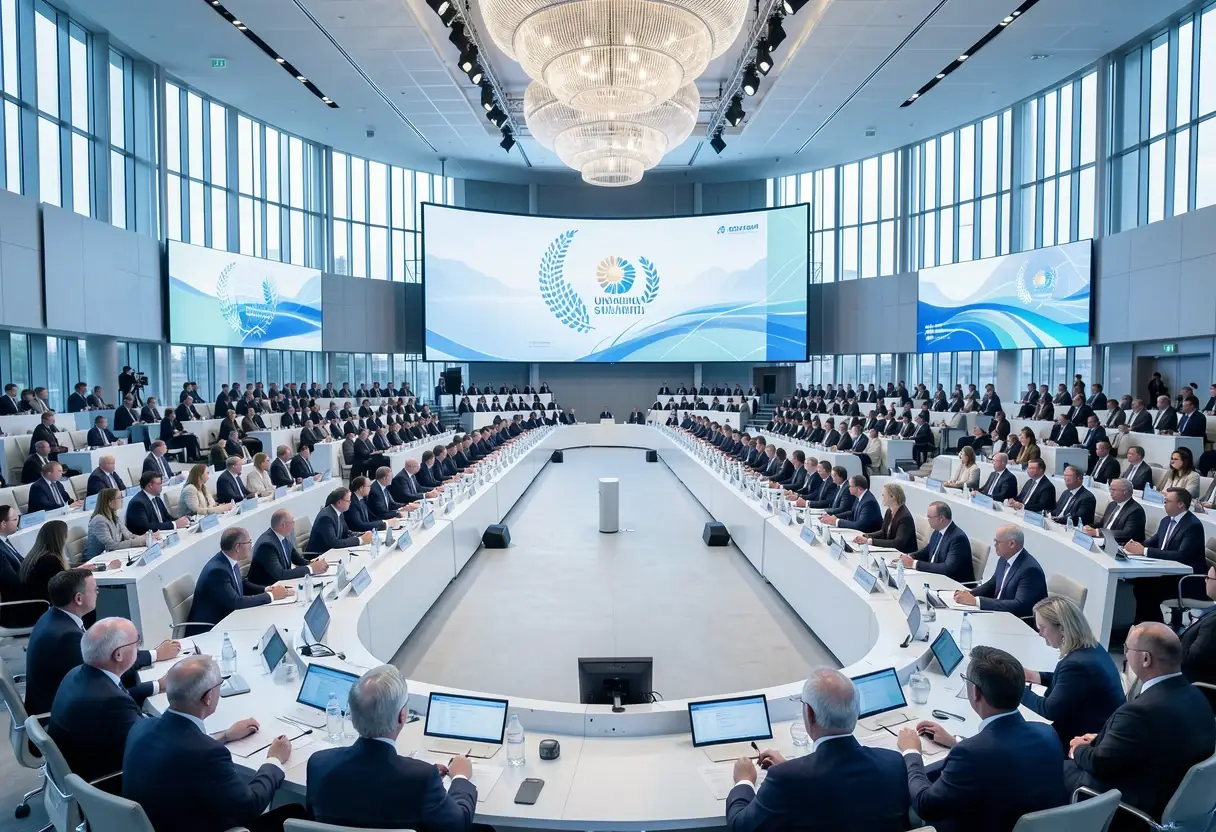
Africa produces roughly 4 percent of the world's greenhouse gases, yet it loses 2 to 5 percent of its GDP every year to climate extremes. That gap is the number African ministers carried into COP31 in Antalya, where they arrived with a unified position and one blunt message for developed nations: pay what you promised.
At the African Ministerial Conference on the Environment (AMCEN) high-level consultative meeting, Ghana's Minister of Environment, Science and Technology, Dr. Zanetor Agyeman-Rawlings, framed the continent's climate plight as a question of global justice rather than bad luck.
"This is not misfortune; it is injustice, and it must frame every word Africa speaks in Antalya," she declared. "Africa is not here to renegotiate promises. We are here to collect on them."
Strong words. But words are cheap in climate diplomacy, and the gap between pledge and payment remains staggering.
How large is the money gap?
In Belém, parties agreed to triple adaptation finance — money that helps countries adjust to climate impacts — for developing nations by 2035. For Africa, that translates to roughly $120 billion annually.
Reality check: international public adaptation finance in 2024 came to just $28 to $32 billion. Africa's actual adaptation need is estimated at $305 billion per year by 2035. Ghana's own National Adaptation Plan requires more than $20 billion between 2025 and 2030.
"A pledge without a tracking mechanism is not a commitment," the minister warned. She wants a binding decision at COP31 that sets a baseline, maps a trajectory to 2035, identifies funding sources, and relies on grants rather than debt.
On broader climate finance, the $300 billion annual figure agreed in Baku must be a floor, not a ceiling, she argued. African nations expect milestones toward the $1.3 trillion target in the Baku-to-Belém Roadmap. Delivering their national climate plans (formally, Nationally Determined Contributions) through 2030 requires about $277 billion a year. Current flows cover barely 11 percent of that.
What about loss and damage?
The Fund for Responding to Loss and Damage — set up to pay for climate harms already occurring — offered only $250 million in its first round. Requests totaled $2 to 3 billion, of which $1.4 billion came from African nations.
"Loss and damage is not charity; it is liability," Dr. Agyeman-Rawlings said. She insisted the money must be predictable, grant-based or highly concessional, and directly accessible to local African institutions.
She also called for a formal needs assessment for the Green Climate Fund's third replenishment.
What red lines did ministers set?
Ghana rallied ministers around three non-negotiable positions:
- No backsliding on the Belém agreement to at least triple adaptation finance for developing nations
- No new obligations on African countries without the necessary means of implementation
- No climate finance counted twice, or delivered mainly through debt-accumulating loans
Can Africa industrialize its way into the energy transition?
Africa holds nearly 30 percent of the world's critical mineral reserves — the raw materials batteries and clean energy equipment demand. The continent wants to end the old pattern of exporting raw ore and importing finished goods.
"There is no global energy transition without Africa's minerals, and the value must be added here," the minister said. She pointed to the African Continental Free Trade Area, a single market of over 1.3 billion people, as the vehicle for building regional value chains for batteries and green industry.
Ministers also backed alignment with "Mission 300," which aims to bring electricity to 300 million Africans by 2030, and asked that unilateral trade-related climate measures — which risk shutting out African exports — be formally addressed under Article 3.5 of the UNFCCC Convention.
What does this change for the negotiations?
Not much yet, on paper. African demands do not bind anyone. But the African Group of Negotiators (AGN), led by Nana Dr. Antwi-Boasiako Amoah, reports that its push to triple adaptation funds is gaining momentum across negotiation tracks.
"We are proud as AGN to have led this conversation before the plenary session," he said, noting the group helped get the climate finance work programme item onto the CMA agenda now under negotiation.
The AGN is also piloting an African Negotiation Situation Room at COP31 — a real-time platform to monitor sessions, share information, and flag emerging issues instantly.
Looking ahead, the ministers set a bridge to COP32, scheduled for November 2027 in Addis Ababa, with Ethiopia preparing to host. Ghana, which expects to chair the African Union in 2027, pledged to carry these demands from Antalya onward.
"We will not leave Antalya with words alone," Dr. Agyeman-Rawlings concluded. "Let us leave with finance on the table and a clear road to Addis Ababa."
Whether the final gavel in Antalya delivers money or merely minutes is, as ever, the open question.
via environewsnigeria.com (Source)
More from James Calloway
Show full bio
Staff writer covering regulation, policy and their impact on general science news at SciBeat.
404 articles
Nearby plates
- Africa Launches $7.6 Million Urban Resilience Facility at COP31
- COP31 opens with climate finance clash and muted outlook
- COP31 Mobilises Billions in Climate Finance Push from Antalya
- COP17 Delivers $2 Billion in New Funding to Reverse Nature Loss
- Global Climate Rules Keep Advancing, Oxford Monitor Finds