Plate Nº 81 · recorded November 9, 2026
Space & AstronomyReported finding
AST SpaceMobile's Blacklift Rocket Targets a 2028 Debut
AST SpaceMobile says its reusable Blacklift rocket, backed by a $500 million supply deal and an $800 million engine license, can carry five BlueBird satellites to orbit in 2028.
By Elena Vasquez4 min read783 words
In brief
- Blacklift's first flight is targeted for 2028, with up to five BlueBird satellites per launch.
- AST SpaceMobile has launched 13 BlueBirds, including eight Block 2 variants.
- AST says Miranda logged more than 4,200 seconds across 175 hot-fire tests.
- Firefly's first-three-launch supply deal is worth $500 million; AST's engine license cost about $800 million.
- Blacklift is designed to lift 20 tons to low Earth orbit; Falcon 9 can lift about 25 tons.
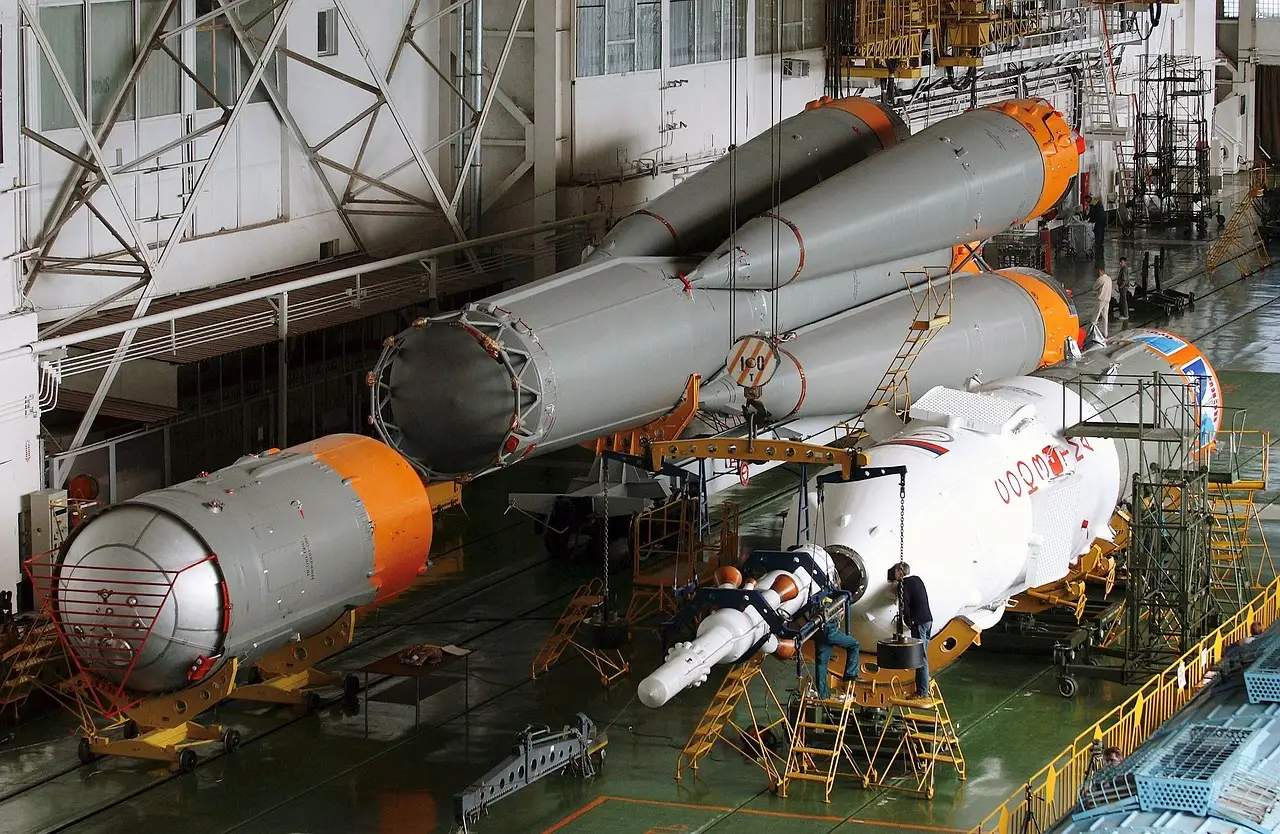
AST SpaceMobile said on Nov. 6 that it targets a 2028 first flight for its reusable Blacklift rocket, with each launch carrying up to five BlueBird broadband satellites into low Earth orbit.
What is Blacklift meant to do?
Reusable means intended for repeated use. Low Earth orbit, or LEO, is the relatively low orbital band around Earth.
AST SpaceMobile, based in Texas, is building a constellation of BlueBird satellites that beam internet service directly to cell phones. The company has launched 13 BlueBirds, including eight Block 2 variants.
Each Block 2 spacecraft carries an antenna array covering 2,400 square feet, or 223 square meters. AST SpaceMobile says this is the largest array a commercial satellite has deployed in LEO.
BlueBirds have flown on three rockets so far: SpaceX's Falcon 9, Blue Origin's New Glenn and India's Launch Vehicle Mark-3. Blacklift would give AST SpaceMobile more control over launches, part of a strategy known as vertical integration, which means bringing more production and operating steps in-house.
Blacklift is meant to expand BlueBird deployment while bringing more launch hardware under AST SpaceMobile's control.
Why is AST SpaceMobile building its own rocket?
Founder, chairman and CEO Abel Avellan said Blacklift would expand AST SpaceMobile's “total addressable market,” meaning the pool of customers it could serve. He also expects regular, unconstrained access to orbit and the most favorable owner economics in the industry.
“This will accelerate our mission to build a new layer of global connectivity, extending connectivity beyond terrestrial networks and helping to bring AI-enabled services wherever people live, work and travel,” Avellan said.
The business case rests on serving more customers, gaining regular access to orbit and improving economics for company owners.
How will Firefly's engines and licensing work?
AST SpaceMobile will not start from scratch. It has signed an agreement with Texas-based Firefly Aerospace to supply engines and associated engineering services for Blacklift's first three launches. The “supply and services” agreement is worth $500 million.
The division of labor is explicit:
- Miranda will power the booster, or first-stage propulsion.
- Vira will power the upper stage, the propulsion system above the booster.
- Neither engine has flight experience.
Firefly's currently operational Alpha rocket uses Reavers in its booster and Lightnings in its upper stage. AST SpaceMobile says Miranda has fired for more than 4,200 seconds over 175 hot fires, meaning controlled ground tests of the engine.
AST SpaceMobile President Scott Wisniewski said: “The Miranda engine will allow us to leapfrog the traditional five-to-10-year development cycle as we build Blacklift.” The company believes Miranda's ground-test history could shorten a development cycle that normally takes five to 10 years.
After the first three launches, AST SpaceMobile plans to build the engines itself under a separate licensing agreement. That agreement cost the company about $800 million, with half paid in cash and half in stock.
The agreements give AST substantial engine-test work and a path to in-house production, but both new engines remain unflown.
How much can Blacklift launch?
AST SpaceMobile says Blacklift will be able to haul 20 tons to LEO. The company says each launch can carry up to five BlueBird satellites.
For comparison, SpaceX's Falcon 9 has an LEO lift capacity of about 25 tons. Blacklift would therefore offer less capacity than Falcon 9 but a dedicated path for AST SpaceMobile's satellites.
AST already holds contracts with other launch providers to send more than 100 BlueBird satellites into orbit during 2027 and 2028. That lets the company expand the constellation while Blacklift remains under development.
AST plans to keep expanding BlueBird through other rockets even before its own launcher becomes available.
Could Blacklift arrive in a tighter launch market?
Blacklift's announcement came 10 days after Cowboy Space unveiled Big Iron, a rocket designed to launch a constellation of 20,000 AI data centers. Cowboy Space also targets a 2028 first flight.
SpaceX has said it plans to phase out Falcon 9 and its Falcon Heavy lifter after Starship becomes operational. That milestone could arrive within the next few years.
The transition could create a launch crunch, meaning tighter competition for launch slots, as SpaceX prioritizes its own satellites with Starship. In that context, SpaceX founder and CEO Elon Musk has suggested that 100,000 Starlink V3 satellites and 1 million Starmind AI data centers will need launching.
Those proposed schedules and capacities remain targets rather than demonstrated performance. Blacklift's 2028 debut and its two new engines still face substantial development risk.
Blacklift gives AST SpaceMobile a hedge against tighter competition for launch slots, though its proposed debut remains a target.
via space.com (Source)
More from Elena Vasquez
Show full bio
Correspondent covering money, funding and market shifts around general science news at SciBeat.
384 articles
Nearby plates
- Blue Origin adds a third stage and a more powerful first-stage engine
- Blue Origin Unveils New Glenn Third Stage and Northstar Booster Engine
- Blue Origin Unveils Northstar Engine and Glenn Stage 3 for New Glenn
- NASA Picks Three Firms for Ka-Band Satellite Relay in $1 Billion Awards
- SpaceX Aims for First Starship Orbital Flight on 14th Test