Plate Nº 98 · recorded November 17, 2026
Biology & EvolutionReported finding
Attentive Macaques Climb the Ladder: Watching Pays Off
Macaques that watched friendly interactions longer formed stronger bonds, climbed the hierarchy, and mated 20% more often over two years in Thailand.
By Marcus Bennett3 min read659 words
In brief
- 46 wild male Assamese macaques in Thailand were followed for two years.
- More than 440 situations of males watching two other males interact were recorded.
- Attentive males mated about 20% more often after rising in rank.
- Watching fights, unlike friendly interactions, showed no link to later rank.
- The study was published in Current Biology (2026), DOI: 10.1016/j.cub.2026.10.037.
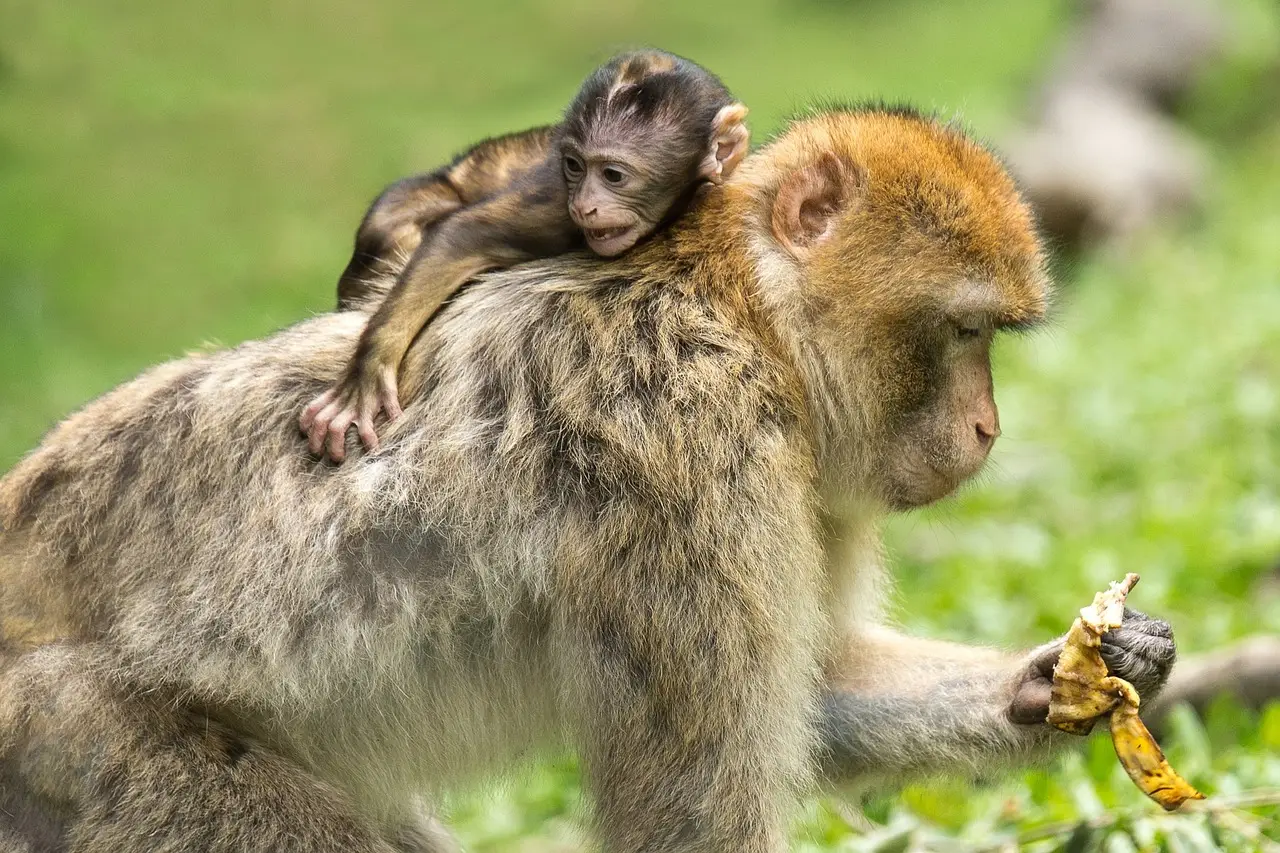
Male Assamese macaques that spent more time watching their group mates' friendly interactions mated about 20% more often, according to a two-year field study of 46 wild males in Thailand published in Current Biology (2026).
Researchers from the German Primate Center (DPZ) and the University of Göttingen recorded more than 440 situations in which a male macaque watched two other males interact. They sorted the interactions into two types: friendly ones, such as mutual grooming, and aggressive ones, such as fights. Then they tracked what attention actually bought the watchers over two years.
The chain of effects ran in a clear order. Males that observed friendly interactions for longer had closer social bonds with particular other males by the end of the first year. Those stronger bonds translated into higher positions in the dominance hierarchy by the end of the second year. And the males that rose significantly in the hierarchy mated roughly 20% more often.
What did watching actually do?
The mechanism, the researchers argue, is alliance-building rather than direct payoff.
Julia Ostner, head of the "Social Evolution in Primates" research group at the DPZ, said: "It's important to understand that simply watching doesn't result in additional matings for the males. Rather, our analyses suggest that curiosity made it easier for the macaques to form the right alliances so they could then climb the social hierarchy together. Ultimately, it was this social success that made the higher mating success possible."
In plain terms: attention supplied the information, alliances converted it into rank, and rank converted into reproductive success.
The attentive males also interfered in social situations more frequently. The information they gathered from watching may have helped them judge when and how to step in. Sometimes they joined a friendly encounter. Other times they disrupted one — possibly to stop two rivals from forming an alliance in the first place. Both strategies, the researchers suggest, can strengthen a male's own standing in the hierarchy.
Why fights were different
Aggressive interactions told a different story. The males looked at fights more often than at friendly interactions, but how long they watched had no effect on their later rank or social bonding.
A different mechanism appears to govern this behavior: risk management. During fights, all males watch just as closely, because none of them wants to be dragged into the conflict against its will. Since the animals show little variation in this behavior, it gives no individual an advantage — and so it predicts nothing about future rank.
Could the causality run the other way?
The team considered an obvious alternative explanation: perhaps socially skilled males simply form stronger bonds and, independently of that, also achieve higher dominance ranks.
First author Sofia Pereira concluded: "We consider it unlikely that animals that are simply more socially skilled form stronger bonds and, independently of that, also achieve higher dominance ranks. The statistical models suggest instead that one leads to the other: those who observe others form closer social bonds. These lead to a higher rank and, ultimately, to greater mating success."
The researchers acknowledge the limits of what observational field data can establish, but their statistical models favor the sequential pathway: observation first, bonds second, rank third, mating success last.
Why it matters beyond macaques
Monkeys constantly observe and evaluate their social environment, and scientists have long assumed that evolution favored the mental abilities this requires. This study puts a measurable result behind that assumption.
Humans, too, track who gets along with whom and who is arguing. If monitoring others provides a measurable advantage in other primates, it offers a clue to why this ability became established in our relatives — and possibly in ourselves as well.
The paper, "Social monitoring predicts future rank and mating success in male macaques," appears in Current Biology (2026), DOI: 10.1016/j.cub.2026.10.037. The German Primate Center provided the report.
Watching friends, not fights, is what moved these macaques up.
via phys.org/rss-feed/ (Source)
More from Marcus Bennett
Show full bio
News editor covering regulation, policy and their impact on general science news at SciBeat.
493 articles
Nearby plates
- Flashy Courtship Traits Evolve Twice as Fast as Combat Weapons
- Black Rhinos Are Loners — Except When They're Not, and That Matters
- Fish Evolved Schooling 60 Times—and Lost It 320 Times
- Partner's Presence Cuts the Body's Regulatory Effort by up to 12%
- Elephants synchronize rumbles during group decisions, study finds