Recorded November 20, 2026
Biology & EvolutionReported finding
Barley Hybrid Fights Aphids and Virus With Three-Layer Defense
Nottingham researchers found SY Kestrel barley deters, disrupts and defends against aphids and BYDV, cutting aphid settlement over 75% in lab tests. Yield stakes: up to 50% in bad years.
By James Calloway3 min read676 words
In brief
- Aphid settlement on SY Kestrel barley dropped by more than 75% compared with a related variety.
- BYDV can reduce winter barley yields by up to 50% in severe early infections.
- U.K. barley production is around 6 million tonnes annually.
- Study published in New Phytologist (2026), DOI 10.1111/nph.71725.
- Resistance genes trace to wild barley relative Hordeum bulbosum.
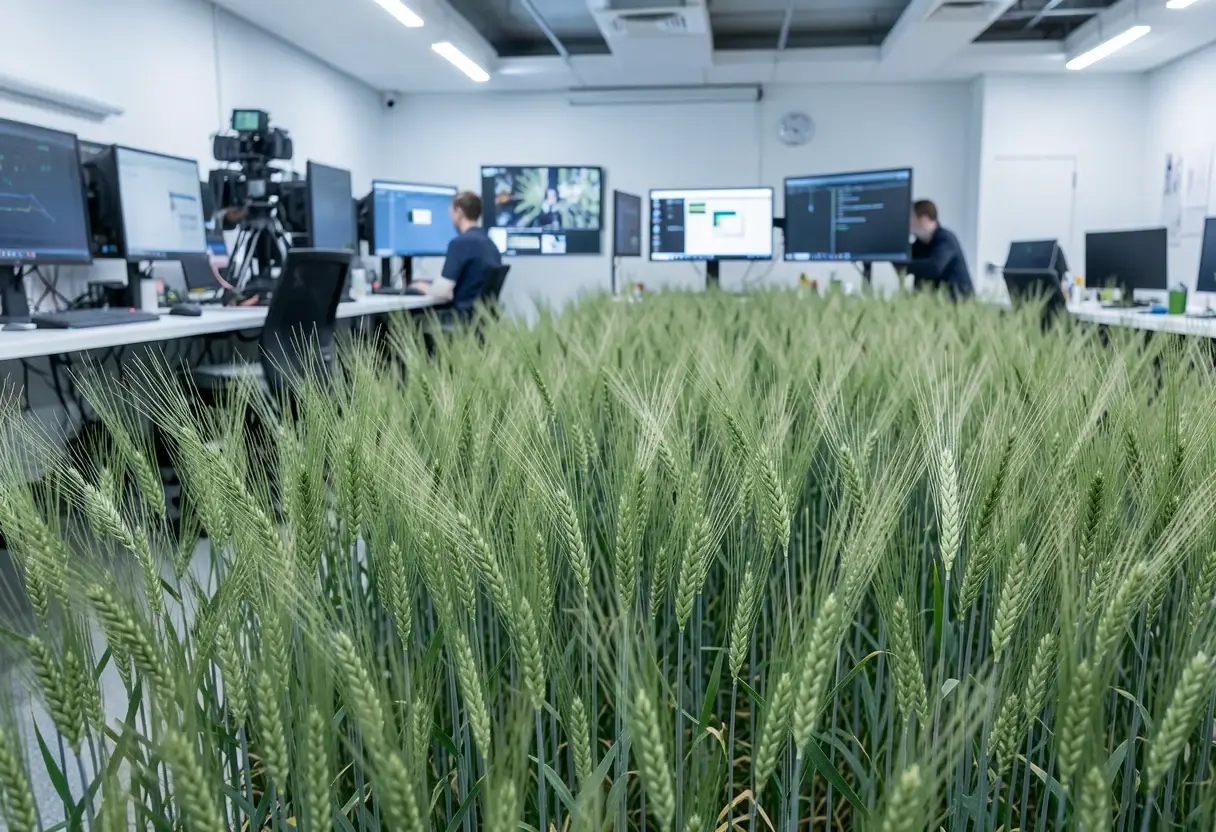
A commercial barley hybrid can cut aphid settlement by more than 75% compared with a related variety — and it doesn't stop there. Researchers at the University of Nottingham, working with Syngenta and Keele University, found the variety, SY Kestrel, stacks three complementary natural defenses against aphids and the damaging virus they carry.
The findings, published in the journal New Phytologist, could help plant breeders build crops that protect themselves rather than relying on a single barrier. The stakes are real. Barley yellow dwarf virus (BYDV), spread by aphids, is one of the most damaging viral diseases of cereals. In severe early infections it can cut winter barley yields by up to 50%.
Barley matters to British farming. The U.K. grows around 6 million tonnes (6.6 million tons) of the grain each year for animal feed, malting and brewing. BYDV doesn't spare wheat or oats either, which makes it a broader food security problem than one crop.
How does the three-layer defense work?
The team studied SY Kestrel, a Syngenta hybrid that carries genetic material from a wild barley relative, Hordeum bulbosum, including a segment called the Ryd4ᴴᵇ resistance locus. That locus was already known to give strong protection against BYDV. What nobody knew was whether the same plant could also fight off the aphids that deliver the virus.
It can. The researchers documented three distinct layers:
- Deter. The plant releases a distinctive blend of airborne chemicals — the scents aphids use to find suitable hosts — that makes SY Kestrel less attractive. In experiments, aphid settlement dropped by more than 75% versus a related barley line. Fewer landings mean fewer chances for virus transmission before feeding even starts.
- Disrupt. Aphids that do settle struggle. Using specialized monitoring techniques, the researchers watched aphids reach the plant's nutrient-transporting tissues but fail to feed continuously. Survival and reproduction both fell, making the barley a poor host.
- Defend. The plant also restricts BYDV infection itself, with shifts in immune responses, plant chemistry and photosynthesis. The team identified naturally occurring defense compounds and showed that selected ones reduced aphid survival. The hybrid also held onto parts of its photosynthetic performance when virus-carrying aphids attacked.
Professor Rumiana Ray of Nottingham's School of Biosciences, who led the research, said: "What makes this discovery particularly exciting is that resistance is not simply about stopping a virus once it enters the plant. We have found that barley can defend itself at different stages of the aphid-plant interaction."
"Rather than relying on a single barrier, the crop can discourage aphids from settling, interfere with their feeding and restrict the virus they transmit," she added. "Understanding these complementary mechanisms offers new opportunities to develop crop varieties with broader and potentially more durable resistance."
What does this change for farmers?
Not much yet, honestly. No new variety ships tomorrow. The researchers themselves flag the gap: they still don't know which genes control the extra aphid resistance, and further research is needed to pin that down. All three defenses were confirmed in one specific hybrid, not across the barley gene pool.
Still, the direction is promising. Aphids can transmit BYDV before farmers notice they're there, which makes the disease notoriously hard to manage with sprays. Varieties that resist both the insect and the virus could strengthen integrated pest management strategies while reducing chemical inputs — a pressing need as agriculture faces pressure to farm more sustainably.
Dr. James Melichar, hybrid cereals portfolio lead for Europe at Syngenta, said: "This research demonstrates the value of bringing together commercial breeding expertise and fundamental plant science to understand how resistance operates in crops."
"Identifying complementary mechanisms that affect aphid behavior, feeding and virus infection provides valuable insights for developing barley varieties with broader and more effective protection," he said.
The study also underscores the value of wild crop relatives as reservoirs of genetic diversity. The resistance in SY Kestrel came, after all, from a wild barley cousin — a reminder that some of agriculture's best defenses were growing in the wild all along.
via phys.org/rss-feed/ (Source)
More from James Calloway
Show full bio
Staff writer covering regulation, policy and their impact on general science news at SciBeat.
570 articles
Nearby plates
- First U.S. Clone of Tomato Spotted Wilt Virus Built in Texas
- First Genus-Wide Barley Pangenome Maps Wild Genes for Breeding
- Two barley genes underpin earlier harvests in double-cropped fields
- Insect Feed From Food Waste Poses Only Low Mad Cow Risk, Study Finds
- Rice Blight Bacteria Hit a Barrier at the Root — Then Shape-Shift Into Leaves