Plate Nº 34 · recorded October 10, 2026
Biology & EvolutionReported finding
First U.S. Clone of Tomato Spotted Wilt Virus Built in Texas
Texas A&M researchers built the first U.S. infectious clone of tomato spotted wilt virus, a $100-million-a-year crop threat, to speed breeding of resistant peppers and tomatoes.
By Nathan Brooks4 min read894 words
In brief
- TSWV causes an estimated $100 million in annual crop damage in Florida, Georgia, North Carolina and South Carolina alone
- The virus infects more than 1,000 produce and ornamental plant varieties worldwide
- Jeanmarie Verchot's team at Texas A&M built the first U.S. infectious clone of TSWV
- The findings were published in Molecular Plant-Microbe Interactions (2026), DOI: 10.1094/mpmi-12-25-0176-r
- The technology is available for licensing by seed companies and biotech firms
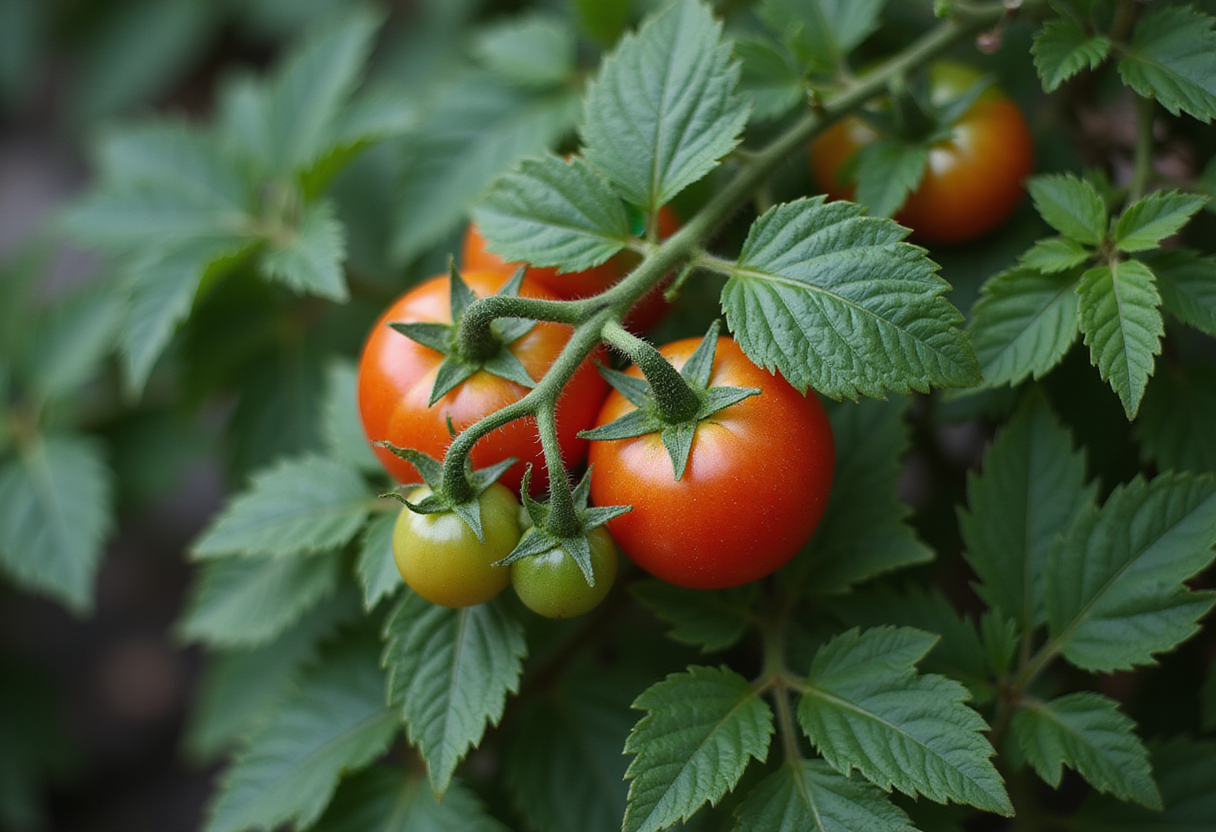
A single virus costs U.S. growers an estimated $100 million every year — and researchers at Texas A&M AgriLife Research have now built the nation's first infectious clone of it, a tool that could accelerate breeding of disease-resistant tomatoes and peppers.
The clone targets tomato spotted wilt virus, or TSWV, a pathogen spread by tiny insects called thrips. A team led by Jeanmarie Verchot, Ph.D., a professor in the Texas A&M Department of Plant Pathology and Microbiology, described the work in the journal Molecular Plant-Microbe Interactions in a paper titled "A Novel Approach to Engineering Tomato Spotted Wilt Virus Infectious Clones by Disarming Key Nodes in Anti-Viral Defenses." U.S. scientists, according to the university, have sought this kind of tool for decades.
"Crop producers are very familiar with this virus, and we are excited that this discovery opens the door for impactful solutions to a major production challenge for them," Verchot said.
What is TSWV and why does it matter?
TSWV infects more than 1,000 produce and ornamental plant varieties worldwide. Thrips carry the virus from plant to plant, and the insects can float on regional wind systems, spreading across fields and into new growing areas.
The damage is economic as much as biological. Infected plants yield less, and visible damage can render crops unmarketable, cutting grower income. When produce is limited and input costs rise, shoppers ultimately pay more at the store.
The U.S. Department of Agriculture's Risk Avoidance and Mitigation Program puts the toll at roughly $100 million in crop damage per year in just four states: Florida, Georgia, North Carolina and South Carolina.
For years, growers have relied on resistant varieties. That strategy is faltering. New virus strains are emerging that escape the plants' immunity and are causing widespread disease. Much current research has focused on sequencing the genomes of these emerging strains to understand why they are becoming more severe.
How did the team build the clone?
Verchot's group took a different route. Rather than chasing individual strains, they constructed a DNA copy — known as a cDNA — of the complete genome of a pepper-infecting TSWV isolate. In plain terms, they made a laboratory blueprint of the virus's genetic material.
That blueprint matters because it produces an infectious virus that behaves like the original. With the clone in hand, the team can produce an unlimited amount of virus, inoculate trial plants more efficiently, and help pepper breeders identify superior virus-resistant genetics faster than before.
"Through our research, we can now produce an unlimited amount of virus, more efficiently inoculate trial plants and help pepper breeders move much faster in identifying superior, virus-resistant genetics," Verchot said.
She also pointed to the potential downstream effect for consumers: "By making technology tools that breeders can use to speed new variety development, we hope to see a simple ripple effect where peppers, tomatoes and other produce are more abundant and cost less in grocery stores nationally."
Why does one shared clone help so many researchers?
U.S. researchers have worked on TSWV independently for years, but the virus mutates at a high rate. That means different labs have effectively been studying different strains, making results hard to compare.
"This clone allows all U.S. researchers the same starting point, providing a more efficient tool for identifying the virus in crops and for creating disease management practices," said Haden Ball, Verchot's graduate student, who joined the project as his thesis work.
Having a readily available U.S. clone is critical, the researchers say, for two reasons. First, it lets scientists dissect what drives disease severity and how insects transmit the virus. Second, it gives breeders a standardized tool for developing new resistant varieties.
"We can now pass this technology to plant breeders to create resistant varieties and entomologists to study methods to restrict thrip transmission," Ball said. "Ultimately, we want this discovery to benefit growers and consumers."
What happens next?
The work is already drawing collaborators across disciplines. One is Kevin Crosby, Ph.D., a Texas A&M AgriLife Research vegetable breeder, professor and associate department head for graduate programs in the university's Department of Horticultural Sciences.
Working together, Verchot, Ball, Crosby and other collaborators aim to deliver superior disease-resistant peppers to crop producers first, with additional resistant crops to follow as research progresses.
The technology is not confined to academia. Verchot said it is available for licensing by seed companies, biotech firms and other industry stakeholders.
As with any early-stage research, real-world results will take time. Breeding and releasing a new resistant variety is a multi-year process, and the clone's performance against the emerging strains that escape current plant immunity will need continued testing. Still, the researchers see the clone as a foundational step — one that standardizes the starting material for a national research community that has long lacked it.
If the ripple effect Verchot describes materializes, the beneficiaries would extend beyond laboratory and field. Growers could face fewer losses, and consumers could see more abundant, cheaper peppers and tomatoes in grocery stores nationwide.
Publication details: Haden C. Ball et al., "A Novel Approach to Engineering Tomato Spotted Wilt Virus Infectious Clones by Disarming Key Nodes in Antiviral Defenses," Molecular Plant-Microbe Interactions (2026). DOI: 10.1094/mpmi-12-25-0176-r
via Phys.org Biology (Source)
More from Nathan Brooks
Nearby plates
- MIT team builds method that lets living cells mail out their own RNA
- Flesh-eating screwworm resurfaces in Texas and New Mexico
- Yeast Identified in Rutgers Lab Repels Invasive Blueberry Pest
- Bacteria Turn a Virus's Own Weapon Against It, Study Finds
- Scientists Map Three Weak Points in Antibiotic-Resistant Bacteria