Recorded November 23, 2026
Health & Medicine ResearchReported finding
Blood Pressure Drugs Prevent 47 Major Events per 1,000 Frail Men in Their 80s
An Oxford model built on 5.5 million English patient records estimates that treating blood pressure in frail men in their 80s prevents 47 serious cardiovascular events per 1,000, at the cost of nine serious falls.
By Marcus Bennett3 min read583 words
In brief
- University of Oxford team analyzed more than 5.5 million patient records from England; results appeared in Nature Communications in November 2026.
- For 1,000 frail men in their 80s, treatment was estimated to prevent 47 serious cardiovascular events while causing 9 serious falls.
- In a general population, the model predicted roughly 8 fewer serious heart or vascular events and 2 additional serious falls per 1,000 treated over a decade.
- Fainting, sudden kidney problems, low blood pressure and potassium changes required closer weighing against benefits.
- The study relied on recorded medical data and mathematical estimates, so it cannot predict outcomes for an individual patient.
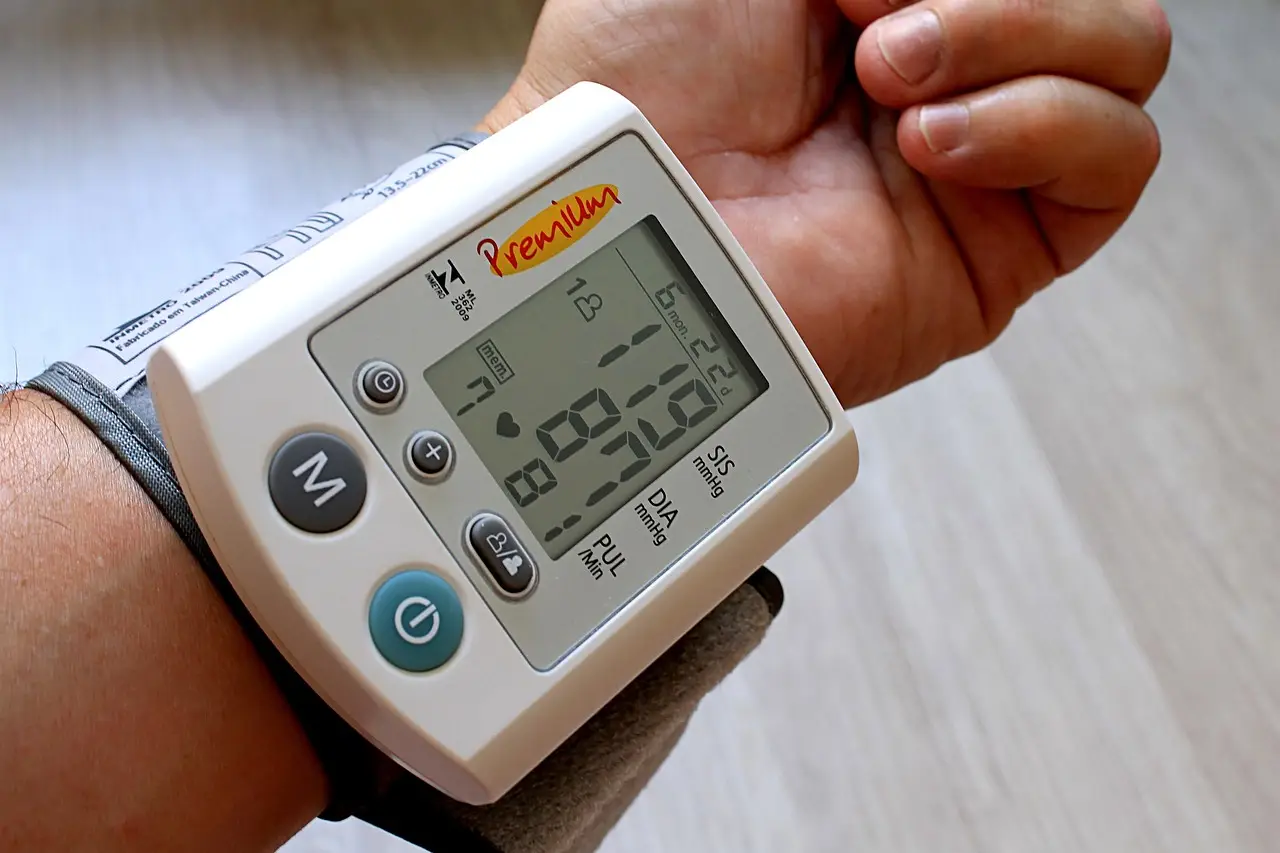
For every 1,000 frail men in their 80s treated for high blood pressure, researchers estimate 47 serious heart and blood vessel events avoided, against nine treatment-linked serious falls. A University of Oxford team published the analysis in Nature Communications in November 2026, drawing on more than 5.5 million patient records from England.
The numbers reframe a question doctors and older patients debate constantly: is lowering blood pressure worth the risk of a fall in later life? The Oxford answer is often yes — but the balance shifts depending on the person and the side effect in question.
Why the trade-off exists
Blood pressure medicines work by reducing pressure inside the arteries. When that pressure stays too high, the heart must work harder and blood vessels become damaged, raising the risk of strokes, heart attacks and other serious problems. Treatment reduces those risks.
The catch is that treatment can also push blood pressure too low, causing lightheadedness or fainting. For older adults who already have trouble walking or keeping their balance, a single bad fall can have lasting consequences.
What the model actually measured
Instead of asking simply whether the medicines work, the team asked how much good and harm treatment might bring to different groups of patients. They built a prediction tool using factors such as age, medical conditions, previous heart problems and medicines already being taken. They then added evidence from previous drug trials and research into side effects, which let them estimate treatment results over a decade.
For a general population of 1,000 people treated, the model predicted roughly eight fewer serious heart or blood vessel events and two additional serious falls. The researchers stress these are estimated differences linked to treatment, not the total number of events patients would experience.
Why frail patients came out ahead
The result for frail older adults may seem counterintuitive, because frailty increases the chance of falling. But older adults also face a much greater baseline risk of heart attacks and strokes, which makes the potential protection from medication more valuable. That asymmetry is what produced the 47-versus-9 estimate for men in their 80s living with moderate frailty.
In plain terms: the sicker the cardiovascular system, the more a prevented stroke is worth relative to a fall the treatment might cause.
Which side effects changed the picture
The balance was less straightforward for harms other than serious falls:
- Fainting and sudden kidney problems required closer consideration before treatment decisions.
- Low blood pressure and changes in blood potassium could occur more often than the serious heart events the treatment prevented.
Practitioners reading the study should note what it does not do. It relied on recorded medical information, which can be incomplete, and on mathematical estimates drawn from earlier research. It cannot tell a doctor exactly what will happen to an individual patient.
What changes at the bedside
The study's practical value lies in comparing risks that clinicians usually discuss separately. Its main lesson is that treatment decisions should weigh both the seriousness of possible harm and the chance of preventing a major illness — not just the probability of a fall on its own.
For older adults on blood pressure medication, the findings support regular review of symptoms, kidney health and the medication list itself, particularly as frailty increases.
The takeaway in one line: for many older patients, the heart protection blood pressure treatment offers outweighs the fall risk — but the sums change with each patient and each side effect.
via knowridge.com (Source)
More from Marcus Bennett
Show full bio
News editor covering regulation, policy and their impact on general science news at SciBeat.
584 articles
Nearby plates
- Blood pressure medicines keep working, but reviews remain essential
- Top Blood Pressure Number Under 130 May Protect Aging Hearts
- Bodies Show Decline Years Before Heart Attacks and Strokes Strike
- Masked High Blood Pressure Linked to 70% Higher Fall Risk in Adults Over 78
- Lower Blood Pressure Target Cut Stroke Risk 19%, But Struck Kidneys