Recorded November 22, 2026
Health & Medicine ResearchReported finding
Lower Blood Pressure Target Cut Stroke Risk 19%, But Struck Kidneys
A trial of 4,368 stroke survivors found a systolic target under 120 cut serious heart and vascular events to 10.9% versus 13.5%, but accelerated kidney decline raises hard questions.
By James Calloway3 min read603 words
In brief
- 10.9% of the lower-target group had a serious cardiovascular event vs 13.5% in the standard-target group over 3.9 years
- The trial enrolled 4,368 adults with prior stroke or mini-stroke across 30 centers
- Average achieved systolic pressures were about 122 (intensive) and 135 (standard)
- Major kidney function decline or kidney failure was more common with intensive treatment
- Results published in the New England Journal of Medicine and presented at the 2026 AHA Scientific Sessions
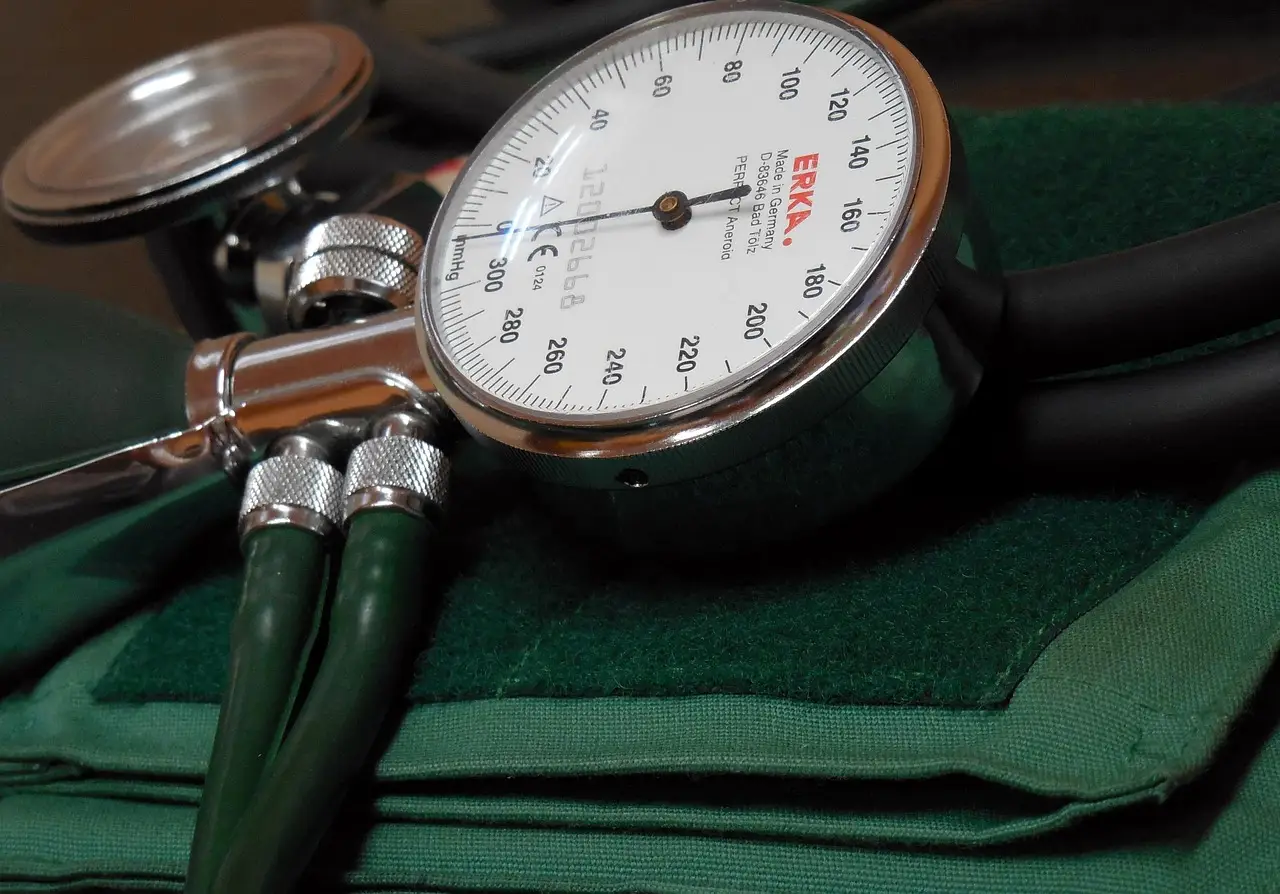
A blood pressure goal of under 120 reduced serious heart and vascular events to 10.9% among stroke survivors, compared with 13.5% in those treated to a standard target — but the aggressive approach carried a real cost. Kidney function declined sharply, sometimes to kidney failure, more often in the intensively treated group.
That trade-off is the story. Not a miracle, not a failure. A balance sheet.
The findings appeared in the New England Journal of Medicine and were presented at the 2026 American Heart Association Scientific Sessions. Gisele Sampaio Silva of Hospital Israelita Albert Einstein in Brazil led the research team.
Who was in the trial?
The study recruited 4,368 adults across 30 centers. Every participant had raised blood pressure plus a history of either an ischemic stroke — one caused by a blood clot — or a transient ischemic attack, often called a mini-stroke.
A mini-stroke briefly disrupts blood flow to the brain. Symptoms vanish, but the risk of a full stroke stays elevated afterward. That's why this population matters: preventing the next event is the whole game.
How did the two strategies compare?
Half the participants were randomly assigned to treatment aiming for a systolic pressure below 120. The systolic number — the top figure in a blood pressure reading — measures pressure when the heart pumps, and doctors typically focus on it when setting treatment goals.
The other half aimed for a less demanding target: below 140.
The groups didn't always hit their marks. After the early treatment period, average readings landed at roughly 122 and 135 respectively. Real patients, real slippage.
What happened over nearly four years?
Over a typical follow-up of 3.9 years, researchers tracked serious cardiovascular events:
- Another stroke
- A heart attack
- Death from a heart or blood vessel cause
- Hospital care for certain dangerous heart conditions
The lower-target group experienced one of these events at a rate of 10.9%, versus 13.5% in the comparison group. That's a meaningful reduction in risk. Random assignment strengthens the case that the treatment strategy itself — not luck or patient differences — drove the gap.
Then came the caveat. A major decline in kidney function, or progression to outright kidney failure, appeared more often under intensive treatment. Overall rates of serious unwanted events stayed similar between the two groups, which softens the picture somewhat. But the kidney signal deserves attention.
What does this change for stroke survivors?
Not what you might hope. The study does not hand every patient a number to chase.
The trial can't establish that one blood pressure goal suits every stroke survivor. Someone with existing kidney disease, or someone who struggles to tolerate medication, may face a different calculus entirely. The researchers themselves frame the practical message cautiously: don't pursue the lowest possible reading. Work with a clinician on a target that weighs protection against another stroke or heart problem against kidney health and individual risk.
In other words, the number on the cuff is a starting point for a conversation, not a verdict.
The evidence is solid for what it tests — a randomized comparison across 30 centers with nearly 4,400 patients followed for almost four years. Yet even well-run trials have edges. These results describe averages across a specific population, not guarantees for any single patient reading this over morning coffee.
If you've had a stroke or mini-stroke and your blood pressure runs high, the takeaway is modest but genuine: a tighter target might protect your brain and heart. Bring the kidney question to your doctor before bringing the number down yourself.
via knowridge.com (Source)
More from James Calloway
Show full bio
Staff writer covering regulation, policy and their impact on general science news at SciBeat.
570 articles
Nearby plates
- Aggressive Blood Pressure Targets Show No Clear Heart Benefit in Diabetes Trial
- Top Blood Pressure Number Under 130 May Protect Aging Hearts
- Blood Pressure Drugs Prevent 47 Major Events per 1,000 Frail Men in Their 80s
- Statins after 70: STREAM trial finds stopping carries measurable risk
- More than 99% of Heart Attack Patients Had a Prior Risk Factor