Plate Nº 45 · recorded November 17, 2026
Health & Medicine ResearchReported finding
Blood Test Finds Protein 50% Higher in People With Tinnitus
People with tinnitus showed roughly 50% higher blood levels of the inner-ear protein prestin in a UConn study of 82 adults — a first step toward an objective test.
By Nathan Brooks3 min read664 words
In brief
- Tinnitus affects an estimated 15% of people worldwide.
- In a study of 82 adults, tinnitus patients had ~50% higher blood prestin levels than controls.
- Findings published in Otolaryngology – Head and Neck Surgery (2026).
- Diagnostic accuracy analysis showed prestin can't yet reliably diagnose tinnitus.
- No objective biomarker or test for tinnitus currently exists.
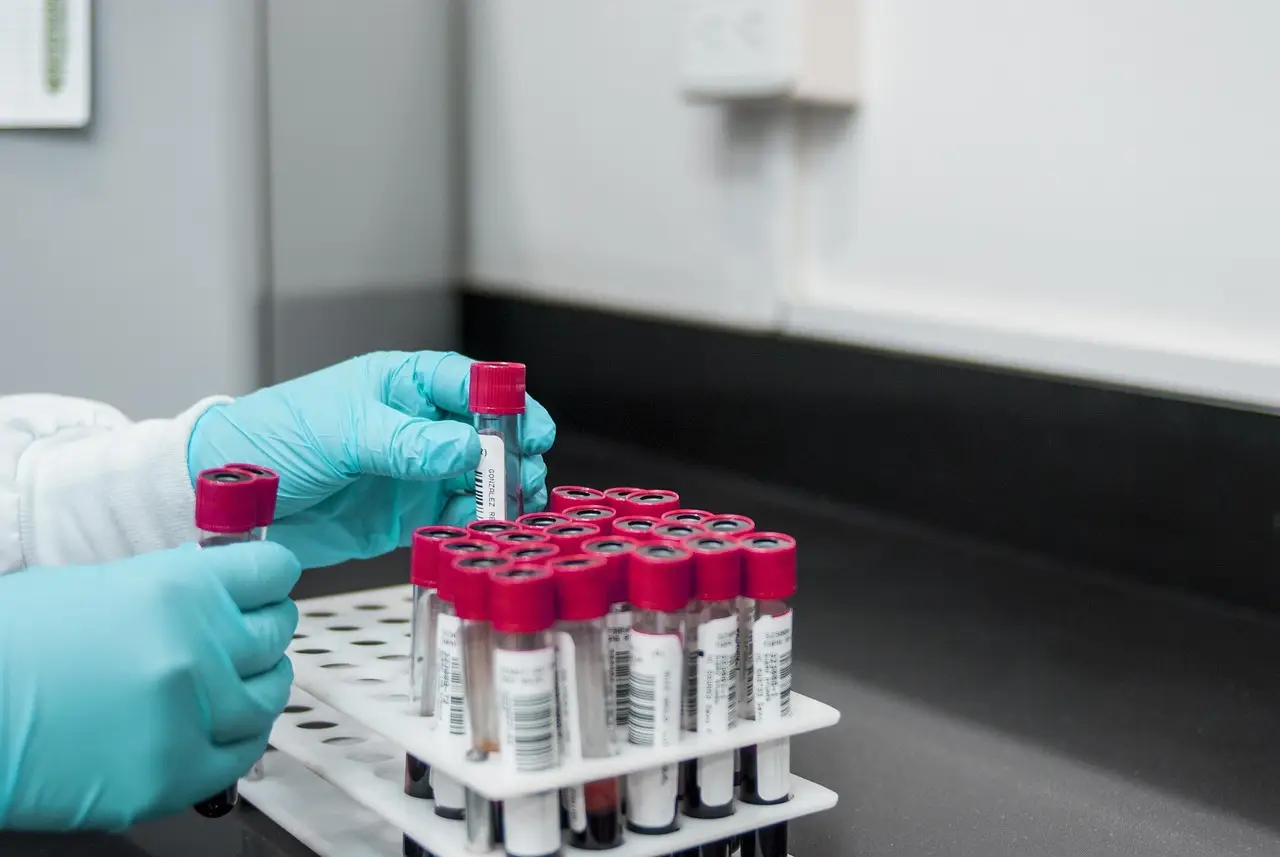
People with tinnitus carry roughly 50 percent more of an inner-ear protein in their blood than people without the condition, according to a new study of 82 adults published in Otolaryngology – Head and Neck Surgery.
That protein, called prestin, is the strongest biomarker candidate yet for tinnitus — a condition doctors have never been able to diagnose with an objective test. Until now, the only way to diagnose it was for a patient to say they heard phantom sounds that weren't there.
"We now have proof-of-concept that an ear protein may play a central role in the development and management of tinnitus," says Kourosh Parham, an otolaryngologist at the University of Connecticut who worked on the study.
What is tinnitus, and why does a blood test matter?
Tinnitus affects an estimated 15 percent of people globally — roughly one in seven. It produces persistent ringing and other phantom sounds, and for many patients, silence never comes.
Despite how common it is, researchers have never known for sure what causes it. They've also never had a reliable objective biomarker. That gap matters: without a measurable marker, diagnosis depends entirely on self-reporting, and drug development has little to aim at.
A simple blood readout could change that, and prestin is now the leading candidate.
What did the researchers actually find?
The experiment enrolled 82 adults, half of whom experienced tinnitus. Blood tests showed that participants with tinnitus had prestin concentrations about 50 percent higher than those without the condition — a substantial gap for a protein measurable with an ordinary blood draw.
The study builds on earlier work by some of the same team, and it lines up with what scientists already knew about prestin:
- Prestin is a motor protein found in the membranes of outer hair cells lining the cochlea, the inner ear's sound-processing structure. It amplifies sound and is crucial for sensitive hearing.
- Previous research has linked prestin to hearing damage, and studies show its levels shift with noise exposure, age and hearing loss.
- Experimental models of hearing injury show trauma alters prestin levels, suggesting the protein could serve as a marker of cochlear damage.
- For several years, scientists have known that an aspirin overdose can induce hearing problems by disrupting cochlear functions — and prestin is one of the proteins affected.
Put together, the pattern suggests changes in prestin could affect how the inner ear works, potentially contributing to the phantom sounds of tinnitus.
Can prestin diagnose tinnitus today?
Not yet, and the researchers are upfront about it. The study was small and observational, so it can't prove that high prestin levels actually trigger tinnitus. All it shows is that the two are somehow linked, and the team acknowledges other factors likely contribute to the condition as well.
There's a sharper limitation, too. A separate diagnostic accuracy analysis within the study found that prestin can't yet reliably distinguish people with tinnitus from people without it — at least not in this sample of participants.
One possible explanation, the researchers suggest, is that some participants had a form of non-cochlear tinnitus, meaning their condition stems from something other than prestin abnormalities. Future research with larger, more carefully sorted groups might clear that up.
What comes next?
For now, the finding gives scientists a strong clue and a concrete research lead — one that could push the field toward a diagnostic system for clinical settings, and possibly toward treatment down the road.
"Our work now says there is promise in using prestin as a biomarker for tinnitus," Parham says. "This is our first step to developing drugs to help manage tinnitus."
That's a cautious framing, and it's the right one. A 50 percent difference in a blood protein is a striking signal, but a blood test for tinnitus remains years away, pending larger studies. Still, for a field that has relied purely on patient reports for decades, having a measurable target at all marks a real shift.
via sciencealert.com (Source)
More from Nathan Brooks
Show full bio
Market editor covering companies, deals and strategy in general science news at SciBeat.
456 articles
Nearby plates
- Gene Therapy Restores Hearing for Years in Inherited Deafness Trial
- How Fetal DNA Travels in Maternal Blood May Fix Prenatal Test Errors
- Alzheimer's Blood Test May Also Detect Advanced CTE, Study Finds
- Rattlesnake blood holds antivenom ten times stronger than current
- Blood Test Spots Ovarian Cancer Precursors Before Tumors Form