Recorded November 20, 2026
Health & Medicine ResearchReported finding
Blood Test-Guided Pill Nearly Doubles Control Time in Resistant Breast Cancer
A liquid biopsy identifying ESR1 changes guided treatment with giredestrant plus everolimus, holding advanced breast cancer in check for 10 months versus 5.5 on standard therapy.
By Priya Raman3 min read618 words
In brief
- Trial of 373 patients, results published September 2026 in the New England Journal of Medicine.
- Median time before cancer worsened was 10 months with giredestrant versus 5.5 months with standard treatment among 207 ESR1-mutated patients.
- FoundationOne Liquid CDx detects ESR1 changes from cancer DNA in the blood, often avoiding a tumor biopsy.
- Frequent side effects included mouth inflammation, diarrhea and anemia; overall survival benefit is not yet established.
- The study was supported by the company developing giredestrant.
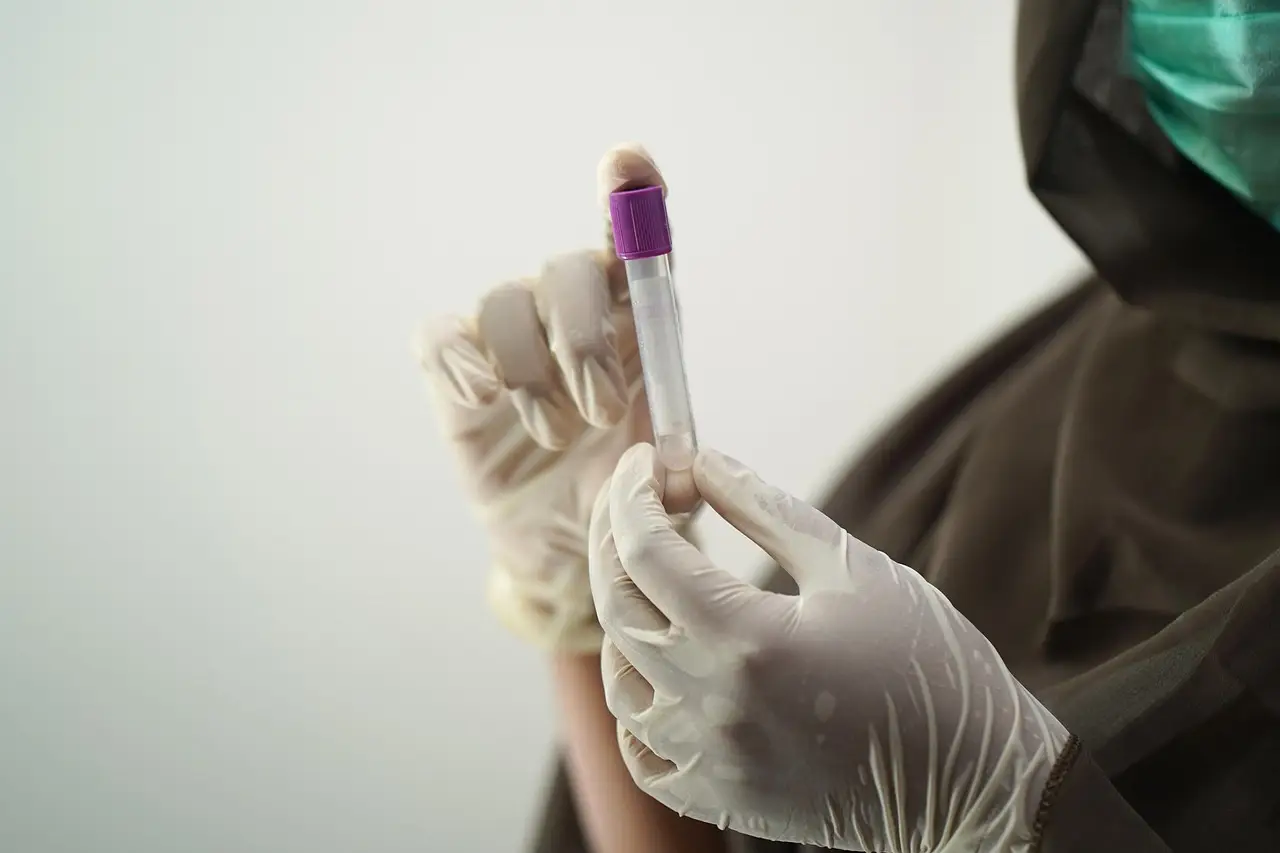
A newly approved treatment in the United States nearly doubled the time advanced breast cancer stayed under control, stretching the typical period before the disease worsened from 5.5 months to 10 months. Doctors selected the patients for it not with another biopsy, but with a blood test.
The treatment pairs two pills and is intended for a sharply defined group: adults with advanced breast cancer that depends on estrogen to grow, that does not carry high levels of a protein called HER2, and that has returned or worsened after hormone-based therapy. Crucially, the patients' tumors must carry a change in a gene called ESR1.
Why does an ESR1 change matter?
Breast cancer is not one disease. Some tumors are driven by hormones; others grow through entirely different signals, and testing those features is what allows doctors to tailor medicine rather than give every patient the same drug.
Hormone-blocking drugs can control hormone-driven cancers for a long time. But cancer cells change under pressure. An ESR1 gene alteration lets tumor cells keep responding to estrogen growth signals even after earlier medicines have shut down the usual route. At that point, doctors need to know what has changed inside the tumor — and that is where the blood test enters.
The test, called FoundationOne Liquid CDx, searches for cancer DNA that tumors release into the bloodstream (a so-called liquid biopsy). It can detect the ESR1 change without always requiring a new sample to be taken directly from the tumor, sparing patients an invasive procedure.
What did the trial show?
Researchers enrolled 373 patients and gave every participant everolimus, a drug that blocks a growth-promoting signal inside cells. Half of the patients also received giredestrant, a daily pill that strips away the cancer cell's estrogen-sensing machinery, attacking the tumor's hormonal fuel line. The other half received one of several established hormone treatments instead. The logic of the combination is to attack the cancer through two routes at once.
Among the 207 participants whose tumors carried ESR1 changes, the results were clear:
- Giredestrant group: 10 months of typical time before the cancer worsened.
- Standard hormone treatment: 5.5 months.
- The study was published online in September 2026 in the New England Journal of Medicine.
Those figures measure how long the disease remained under control — what clinicians call progression-free survival — not how long people lived. The trial has not yet established whether the new treatment extends overall survival, and longer follow-up remains necessary to understand effects on survival and quality of life.
What are the limitations and side effects?
The combination carries real drawbacks. Mouth inflammation, diarrhea and anemia were frequent among patients, and the medicines require medical supervision rather than casual prescribing.
Transparency matters here as well: the company developing giredestrant supported the study, a common arrangement in cancer drug trials but one that readers should weigh when judging the findings.
The results also apply only to a specific population — people with advanced disease, hormone-driven tumors, low HER2, and an ESR1 change confirmed by testing. They cannot be generalized to breast cancer as a whole.
What is the broader lesson?
The strongest takeaway is not any single pill. It is the demonstration that reading a tumor's biology, through something as simple as a blood draw, can match a treatment to the patients most likely to benefit from it. For the thousands of patients whose cancers outgrow one hormone therapy after another, that shift — from one-medicine-fits-all to testing-then-treating — may prove the more durable news.
Whether the extra months of disease control eventually translate into longer lives is the question the next round of data must answer.
via knowridge.com (Source)
More from Priya Raman
Show full bio
Senior reporter covering people, launches and day-to-day practice in general science news at SciBeat.
549 articles
Nearby plates
- Blood Test Predicts Breast Cancer Return With 81% Accuracy
- Blood Test Spots Small Breast Tumors With 95% Accuracy in Early Study
- HER2DX test predicts response to shorter chemo in HER2+ cancer
- Enzyme's Hidden Second Job May Drive Breast Cancer Drug Resistance
- Inflammation Can Wake Up 'Sleeping' Cancer Cells Hidden in Bone