Plate Nº 65 · recorded November 17, 2026
Health & Medicine ResearchReported finding
Blood Test Predicts Breast Cancer Return With 81% Accuracy
An experimental blood test detected early breast cancer with 95% accuracy and predicted recurrence with 81%, reading chemical marks on DNA fragments in the blood.
By Nathan Brooks2 min read458 words
In brief
- The study appeared in Nature in November 2026, led by the Weizmann Institute of Science and Hebrew University of Jerusalem.
- The test identified early breast cancer with 95% accuracy and predicted recurrence with 81% accuracy.
- It analyzed blood from 77 breast cancer patients followed for at least five years and 30 healthy women.
- Results held when the sample expanded to 188 patients, including in women with dense breasts.
- The test remains experimental and has not yet been shown to improve survival or treatment decisions.
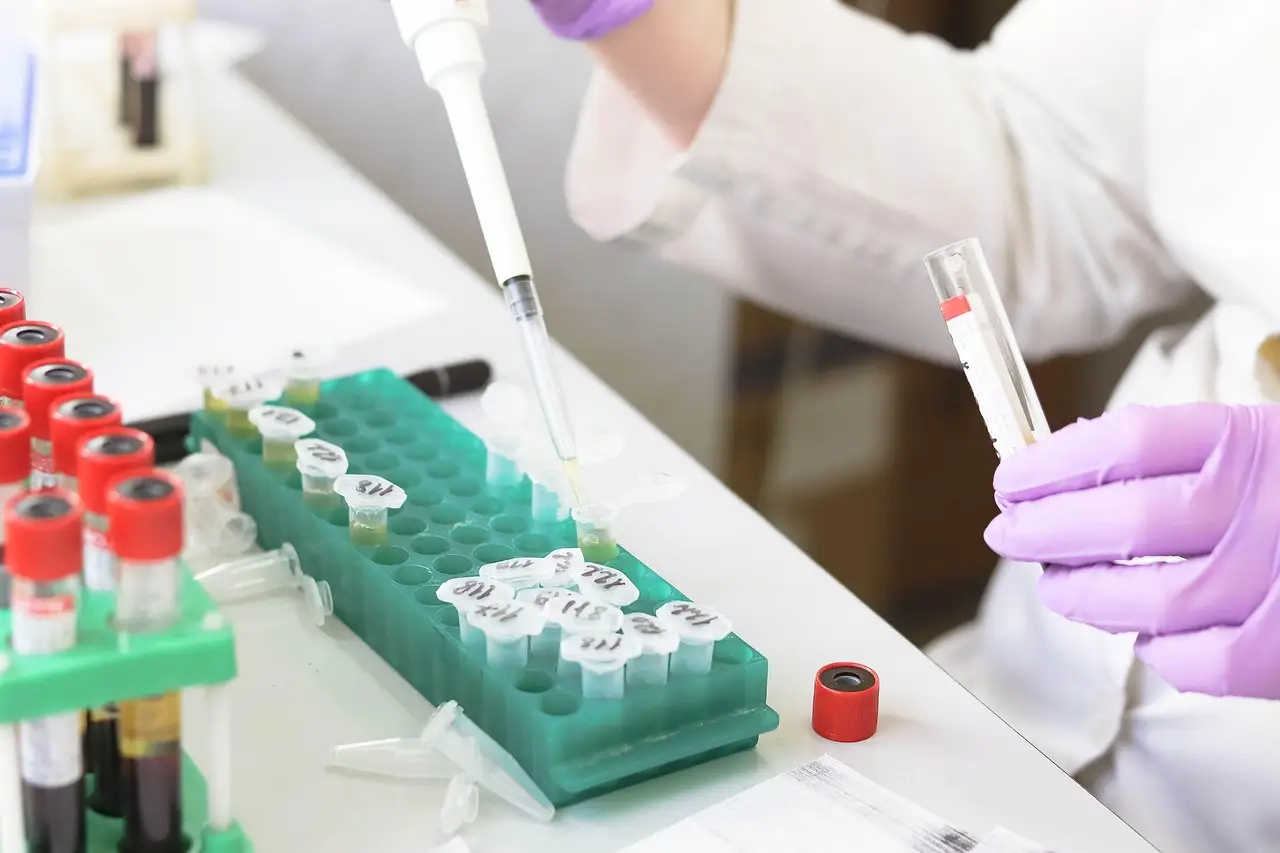
An experimental blood test identified breast cancers likely to return after treatment with 81% accuracy, according to a study published in Nature in November 2026. The same test detected early breast cancer with 95% accuracy in the research group.
Researchers at the Weizmann Institute of Science and the Hebrew University of Jerusalem led the work, with doctors and researchers from several medical centers contributing. The study suggests that a small group of aggressive cancer cells may leave warning signs in the blood long before doctors know whether the disease will come back.
Why do some treated breast cancers return?
Breast tumors are not made of identical cells. Some grow slowly, while others can become more dangerous or survive treatment — which may help explain why cancer returns in some patients.
The team examined fresh tumor samples from 12 women. Even less threatening-looking tumors, they found, could contain rare cells with aggressive features. These differences were linked largely to chemical marks that influence how genes work, rather than changes in the genes themselves.
How does the test work?
When cells break down, fragments of their genetic material and attached proteins enter the bloodstream. The researchers designed a method to measure many of the chemical marks on those fragments using a very small blood sample. They then looked for patterns associated with breast cancer and with its return after treatment.
The analysis drew on blood from 77 breast cancer patients monitored for at least five years, plus 30 healthy women. The test:
- identified early breast cancer with 95% accuracy;
- distinguished patients whose cancer returned from those whose cancer did not return with 81% accuracy.
The second result matters because standard assessments do not always identify every patient at risk. A better warning system could eventually help doctors tailor follow-up care and investigate additional treatments.
Did the results hold up in a larger group?
When the researchers expanded the sample to 188 patient blood samples, they reported encouraging results. Breast density, which can make mammograms harder to interpret, did not appear to undermine the test's performance.
How far is this from the clinic?
The caveats are real. The findings come from relatively small and selected groups, and the test has not yet proved that it improves survival or treatment decisions in everyday care.
A 95% accuracy figure also does not mean every positive result would indicate cancer in a general screening population. Larger independent trials are needed to measure missed cancers and false alarms before the method could be used widely.
The strongest message is that blood may carry information about how dangerous a tumor is, not just whether it exists. That possibility is exciting, but the test remains experimental and cannot replace recommended screening or medical follow-up.
via knowridge.com (Source)
More from Nathan Brooks
Show full bio
Market editor covering companies, deals and strategy in general science news at SciBeat.
411 articles
Nearby plates
- Blood Test Spots Small Breast Tumors With 95% Accuracy in Early Study
- Blood Test Spots Hidden Prostate Cancer and Predicts Radiation Success
- Blood Test Spots Ovarian Cancer Precursors Before Tumors Form
- 31 Blood Markers May Flag Lung Cancer Risk a Decade Early
- Enzyme's Hidden Second Job May Drive Breast Cancer Drug Resistance