Recorded November 25, 2026
Biology & EvolutionReported finding
Cells Partly Offset Extra and Missing Chromosomes, Study Finds
A Nature Communications study from Karolinska Institutet shows cells partly offset extra or missing chromosomes by tuning gene-burst frequency, with the same effect seen in human cancer tumors.
By Elena Vasquez4 min read736 words
In brief
- The study appears in Nature Communications (2026), DOI 10.1038/s41467-026-79621-3, from Karolinska Institutet.
- Gaining or losing one chromosome alters the activity of hundreds to thousands of genes at once.
- Cells compensate partly by adjusting transcriptional bursting — how often genes switch on in short bursts.
- Dosage compensation was detected in human cancer tumor data, not only in cell populations with engineered chromosome changes.
- Researchers measured gene activity at single-cell and single-allele resolution, plus protein levels.
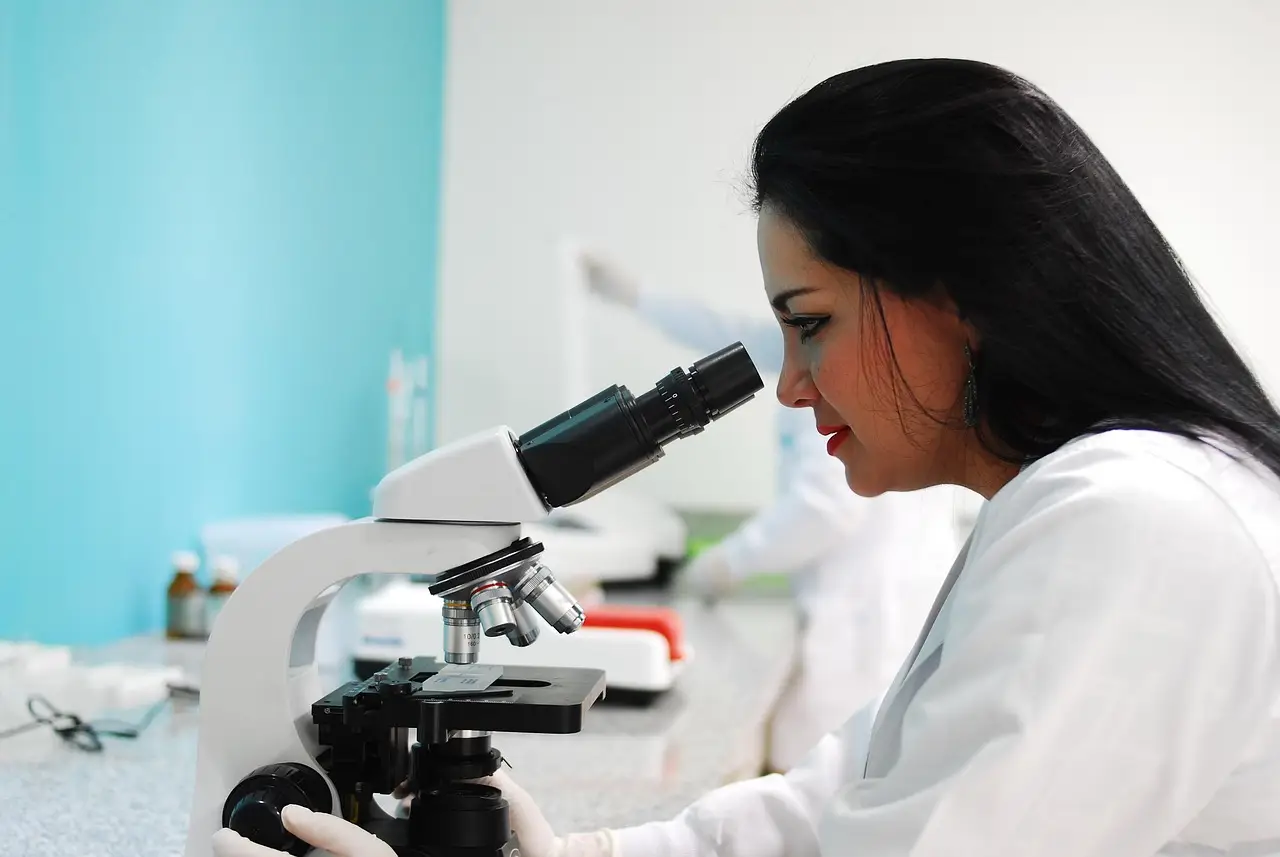
Human cells can partly compensate for extra or missing chromosomes by actively adjusting gene activity, according to a new study published in Nature Communications. The finding overturns a long-standing assumption that chromosome number largely dictates how much RNA and protein a cell produces.
Researchers at Karolinska Institutet in Sweden found that cells have a far greater capacity than previously thought to buffer large-scale genetic changes, including those common in cancer. The paper, by Natali Papanicolaou et al., is titled "Autosomal dosage compensation in aneuploidy and cancer involves transcriptional burst regulation."
Human cells normally carry two copies of each chromosome. When a chromosome is lost or gained — a condition known as aneuploidy — the copy number of hundreds or even thousands of genes shifts at once. Scientists have long debated whether that shift translates directly into matching changes in RNA and protein output. The question was technically difficult to answer systematically, and until now it stayed largely open.
What did the researchers actually measure?
The team, led by first author Natali Papanicolaou and senior author Björn Reinius, both of the Department of Medical Biochemistry and Biophysics at Karolinska Institutet, established cell populations with different chromosomal changes. They then used highly sensitive RNA sequencing to measure gene activity at the level of individual cells and even individual gene copies, known as alleles.
That single-copy resolution matters. It let the researchers watch how each gene copy responds when chromosome numbers change, rather than averaging the effect across a whole cell population. They complemented the RNA data with protein measurements to check whether the compensatory effects extend beyond RNA production to the proteins cells actually run on.
The answer: they do, at least in part. Cells tune their gene activity to blunt the impact of having too many or too few copies of a gene.
"Our results show that cells have a previously underestimated ability to adapt their gene activity when the genome changes. The amount of genetic material alone does not determine how much RNA and protein a cell produces," Papanicolaou said.
The process is called dosage compensation. In plain terms, it means the cell dials gene activity up or down to offset an imbalance in gene copy number.
How does the compensation work?
The study identifies a plausible mechanism. Genes are not continuously active. Instead, they switch on in short bursts — a process called transcriptional bursting. By adjusting how frequently those bursts fire, cells can partly counteract having extra or missing gene copies.
Think of it as a thermostat. The chromosome number sets a rough baseline, but the burst frequency lets the cell trim the output toward normal. It is not a perfect correction — the compensation is partial — but it measurably softens the imbalance.
The bursting mechanism had not previously been tied to compensation for whole-chromosome changes in ordinary, non-sex chromosomes.
Why does this matter for cancer?
Tumor cells often carry extensive chromosome alterations, and the researchers wanted to know whether the same compensation shows up in real disease. They analyzed data from human cancer tumors and found that dosage compensation occurs there as well.
That result carries a second implication. Dosage compensation was long viewed as a specialized mechanism for the sex chromosomes — the system that equalizes gene output between males and females. The new data break that frame.
"Our findings challenge the view that dosage compensation is only a specialized mechanism for the sex chromosomes. We see that similar processes also occur in other chromosomal alterations and in human cancer tumors," Reinius, an associate professor at Karolinska Institutet, said.
The findings may help explain how cancer cells survive despite major genetic upheaval. In the longer term, the researchers suggest the knowledge could shape how genetic alterations in tumors are interpreted and support the development of new cancer treatment strategies.
Those applications remain speculative for now. The study shows the phenomenon exists and points to a mechanism, but it does not test therapies. Clinical relevance will require considerably more work.
The takeaway in plain words: cells fight back against genetic imbalance by tuning how often their genes fire, and cancer cells appear to use the same trick.
Publication details
- Study: "Autosomal dosage compensation in aneuploidy and cancer involves transcriptional burst regulation"
- Journal: Nature Communications (2026)
- DOI: 10.1038/s41467-026-79621-3
- Institutions: Karolinska Institutet, Department of Medical Biochemistry and Biophysics
- First author: Natali Papanicolaou, postdoctoral researcher; Senior author: Björn Reinius, associate professor
via phys.org/rss-feed/ (Source)
More from Elena Vasquez
Show full bio
Correspondent covering money, funding and market shifts around general science news at SciBeat.
631 articles
Nearby plates
- New Immune Cell Atlas Links Genetic Variants to Disease Mechanisms
- What Happens Within 48 Hours of Losing p53, Cancer's Guardian Gene
- Researchers Find 'Kill Switches' That Drive MYC Cancer Gene Amplification
- Blood Test Spots Ovarian Cancer Precursors Before Tumors Form
- Vitamin D Slowed a Cellular Marker of Aging in Large US Trial