Plate Nº 58 · recorded November 16, 2026
Health & Medicine ResearchReported finding
Cleaner air could prevent or delay 9.4 million early deaths yearly
A Cambridge analysis estimates that meeting the WHO fine-particle guideline could prevent or postpone 9.4 million deaths a year across 136 countries, with potential health and economic gains.
By Elena Vasquez4 min read725 words
In brief
- Meeting the WHO fine-particle guideline could prevent or postpone about 9.4 million deaths a year across 136 low- and middle-income countries.
- Meeting the nitrogen dioxide guideline could prevent or postpone about 1.1 million deaths a year.
- The two modeled death estimates overlap and should not be added together.
- The model estimated millions fewer new cases of coronary heart disease, stroke, chronic lung disease and dementia under cleaner-air conditions.
- University of Cambridge researchers published the analysis in Environment International.
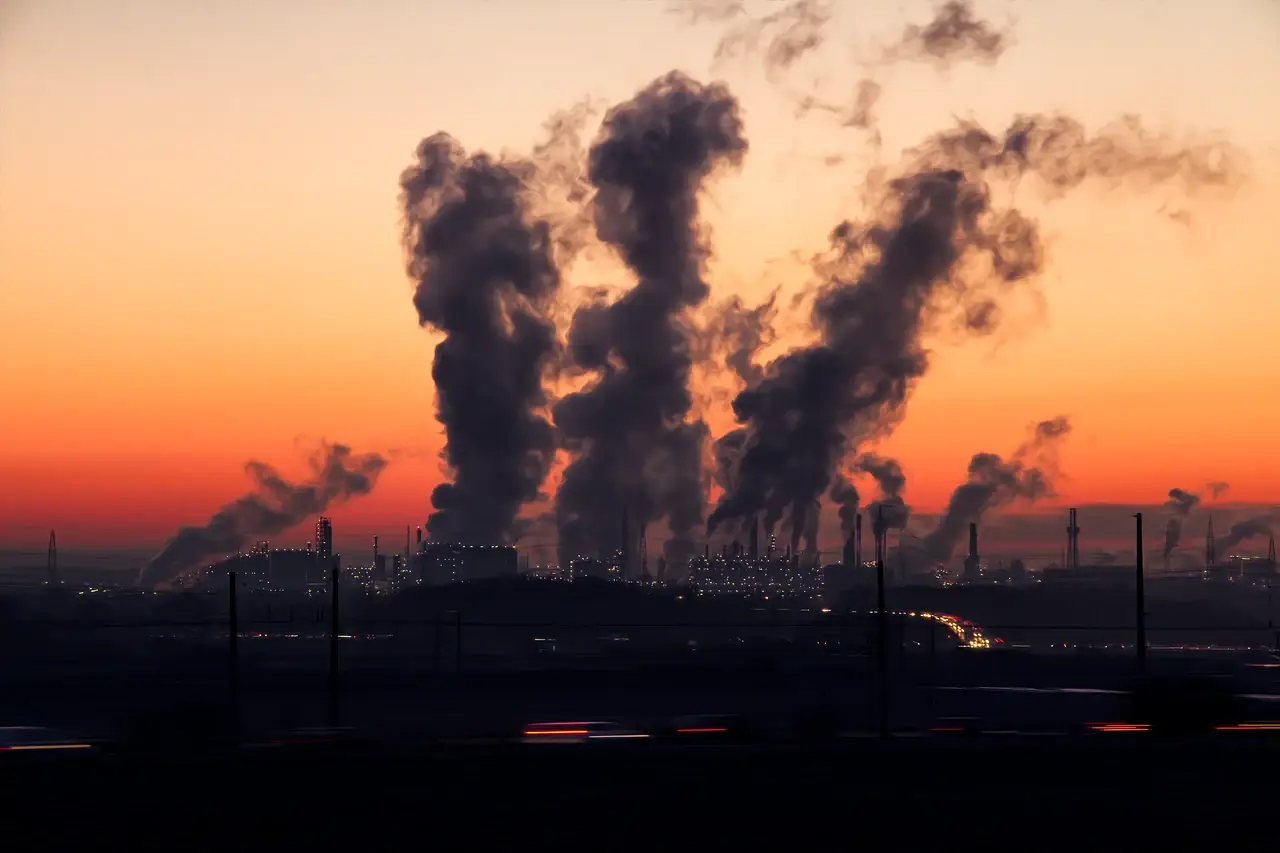
A new analysis by University of Cambridge researchers estimates that meeting the World Health Organization’s fine-particle air-quality guideline could prevent or postpone about 9.4 million deaths a year across 136 low- and middle-income countries. That is a modeled scenario, not a count of deaths already prevented.
What could cleaner air prevent?
The estimate covers fine particles alone. The same analysis modeled a separate nitrogen dioxide scenario, which suggested about 1.1 million deaths could be prevented or postponed in a year if countries met the nitrogen dioxide guideline.
No simple sum. Some people encounter both pollutants, and the modeled health benefits can overlap. The 9.4 million and 1.1 million estimates describe two possible gains from cleaner air, not two separate pools of deaths.
The findings also suggest cleaner air could increase the chance of living a longer, healthier life. Pollution controls could save money by preventing illness and reducing time away from work.
The researchers said: “Reducing air pollution is not only an environmental goal but also a major opportunity to protect public health.”
Takeaway: Meeting cleaner-air guidelines could prevent millions of deaths, but the two pollutant estimates overlap.
How did researchers estimate the impact?
The Cambridge team combined information on pollution, population sizes and disease with existing evidence linking pollution exposure to health outcomes. The team then modeled how illness and death might change if low- and middle-income countries reached WHO-recommended air-quality levels.
In plain terms, the model asked what the health data might show if pollution fell to the recommended targets. The researchers used separate scenarios for PM2.5 and nitrogen dioxide, two common pollutants associated with serious health problems but coming from somewhat different sources.
The team published the results in Environment International. The researchers said they cannot predict precisely how each country will respond, and the estimates depend on the underlying health data and assumptions used in the model.
That makes the findings a measure of potential benefit under the model’s assumptions, not a guarantee for each country.
Takeaway: The numbers show possible gains from cleaner air, not guaranteed outcomes in any single country.
What are PM2.5 and nitrogen dioxide?
PM2.5 is the name used for fine particles small enough to travel deep into the lungs. Sources include traffic, industry, power generation, burning fuels and other activities. PM2.5 can also form through chemical reactions in the air.
Nitrogen dioxide is closely linked to fuel combustion, particularly vehicle exhaust and industrial emissions. The researchers noted that the two pollutants come from somewhat different sources, so each has its own guideline and modeled benefit.
Exposure to polluted air is associated with heart disease, stroke, lung disease and other conditions. The analysis also estimated potential reductions in coronary heart disease, stroke, chronic lung disease and dementia under cleaner-air conditions.
That distinction matters. The headline numbers describe modeled changes, not deaths already prevented.
Takeaway: Fine particles and nitrogen dioxide both carry serious health risks, even though their main sources differ.
What health and economic gains could follow?
The model estimated millions fewer new cases of coronary heart disease, stroke, chronic lung disease and dementia if pollution levels reached the cleaner-air conditions. It also pointed to lower medical costs and improved productivity as possible economic gains.
The savings could come through less illness and less time away from work, according to the analysis. Cleaner air therefore offers benefits beyond reduced death rates, including a potential reduction in the practical burden of pollution-related disease.
Even less demanding interim pollution targets could make a large difference. The researchers said this matters because the strictest guidelines may take many years and major investments to achieve.
Takeaway: Even interim pollution targets could deliver large gains while countries work toward stricter guidelines.
How could countries reduce exposure?
Cleaner transport, energy and urban planning are among the changes that could help countries reduce pollution exposure. The exact mix would depend on local conditions and available resources, the researchers said.
The analysis links those broad areas of action to fewer illnesses and deaths under the modeled conditions. The scale of the benefit in any country remains uncertain because the study cannot predict precisely how that country will respond.
Takeaway: Cleaner-air policy could protect lives, but the right approach depends on local conditions and resources.
via knowridge.com (Source)
More from Elena Vasquez
Show full bio
Correspondent covering money, funding and market shifts around general science news at SciBeat.
451 articles
Nearby plates
- Small Air Pollution Spikes Tied to Asthma Emergencies in Singapore
- WHO: Six climate measures could save 1.6 million lives a year
- Polluted Air Cuts Pollinators' Flower-Finding Ability by Up to 68%
- Delhi's Pollution Monitors Maxed Out as Diwali Smog Hit 66 Times WHO Limit
- Six Sensor-Fitted Buses Could Cover 17.6% of Amsterdam in a Day