Plate Nº 60 · recorded November 8, 2026
Science Policy & FundingReported finding
COP31 Indigenous women demand direct climate finance
More than 50 Indigenous women leaders at COP31 set five priorities and five benchmarks for climate finance, biodiversity, rights and political participation.
By Nathan Brooks4 min read741 words
In brief
- More than 50 Indigenous women leaders presented a joint declaration in Antalya on November 8, 2026.
- The declaration was presented at 10 a.m. Türkiye time.
- It sets out five key priorities and five accountability benchmarks.
- The Nature Conservancy estimates Indigenous Peoples and local communities receive 1% of climate funding.
- 53% of WiGSA-surveyed organisations reported no core funding or less than 10% of their total budgets through such support.
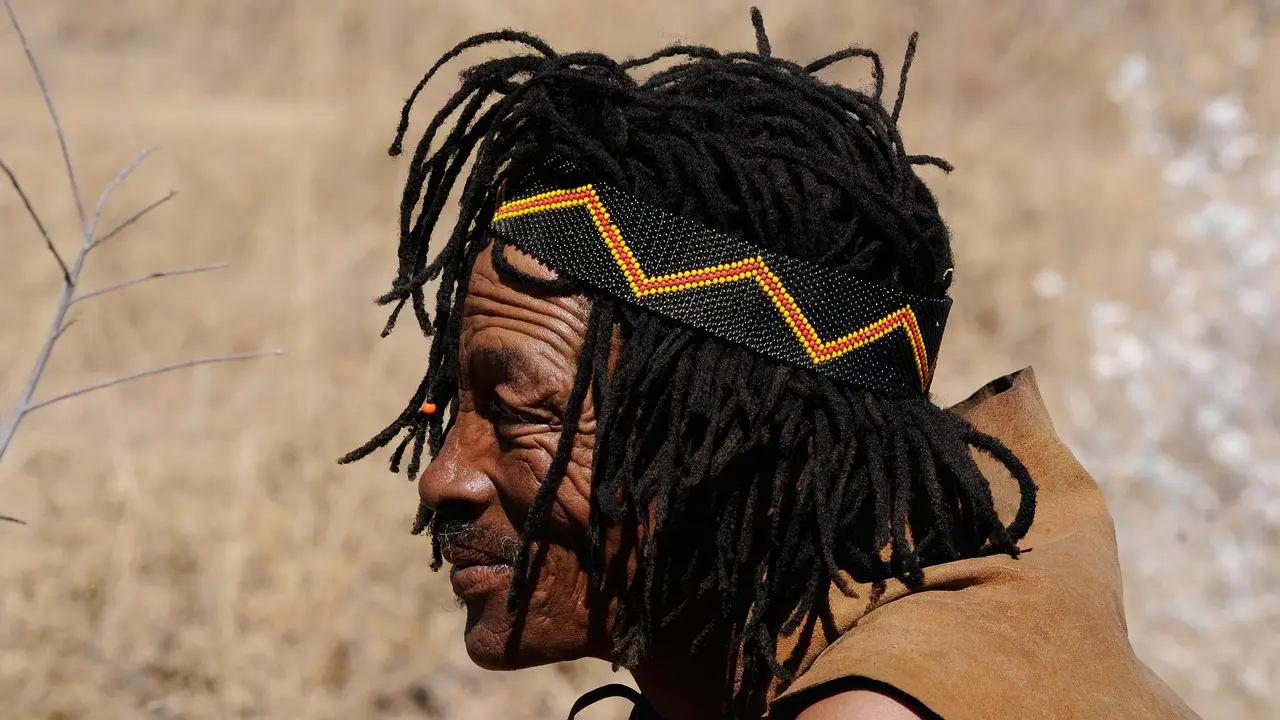
More than 50 Indigenous women leaders from seven world regions called for direct access to climate finance at the 31st United Nations Climate Change Conference in Antalya, Türkiye, on Sunday, November 8, 2026.
The women presented their joint political declaration at 10 a.m. Türkiye time. Organised by the International Indigenous Women’s Forum (IIWF), it sets out five priorities and five accountability benchmarks for government action. The leaders came from Africa, Asia, the Pacific, the Arctic, North America, Latin America and Eastern Europe.
What did the declaration demand?
- Governments should provide direct, accessible climate finance to Indigenous communities.
- Climate policy should protect biodiversity and recognise Indigenous women’s conservation work.
- Indigenous women should participate meaningfully in climate decisions and negotiations.
- Clean-energy transitions should protect rights and guarantee free, prior and informed consent.
- Governments should recognise non-economic losses affecting languages, knowledge and cultural practices.
Together, the women presented their collective position to governments and the international community. The organisers describe the declaration as a roadmap for putting rights, traditional knowledge and climate solutions into international climate policies, funding mechanisms and decision-making.
Free, Prior and Informed Consent, or FPIC, means affected communities have a genuine opportunity to decide whether a project proceeds on their territories. The organisers warn that expanding energy, extractive and conservation projects could add pressure where that consent is not guaranteed.
The call is for an equitable energy transition that respects Indigenous Peoples’ rights and ensures affected communities participate meaningfully in decisions on their territories. The women also seek greater recognition of non-economic losses and damage. These include the destruction of Indigenous languages, traditional knowledge systems and cultural practices, which cannot be captured only as financial losses.
How large is the funding gap?
The clearest measure is money. The Nature Conservancy (TNC) estimates that Indigenous Peoples and local communities receive only 1% of climate funding, despite their significant role in protecting ecosystems and carbon stocks. Carbon stocks are stores of carbon within natural systems.
On TNC’s estimate, roughly 1 part in every 100 of climate funding reaches those communities. The declaration frames that mismatch as a failure to match funding with their role in biodiversity conservation.
Another survey points to the same problem among organisations. The Women’s Global South Alliance reported that 53% of surveyed organisations received no core funding, or obtained less than 10% of their total budgets through such support.
The announcement gives no sample size or survey method, limiting what readers can infer from that percentage. Organisers say the gap raises questions about how climate finance is allocated and why resources often fail to reach Indigenous communities and grassroots conservation groups.
They want funding to reach organisations doing conservation and climate work at the grassroots. They also want government commitments translated into concrete action that protects Indigenous rights and recognises Indigenous women’s contributions.
How will Indigenous women gain influence?
The declaration also highlights how little authority Indigenous women hold over climate decisions. It highlights their contributions to ecosystem protection, sustainable food systems, preserving traditional ecological knowledge and developing climate adaptation strategies.
Traditional ecological knowledge refers to locally held knowledge about ecosystems and environmental change. Climate adaptation strategies are actions that help communities prepare for or cope with climate impacts.
The forum wants those contributions to produce meaningful political influence, effective participation and access to resources needed to implement proposals. It also wants international climate policies, funding mechanisms and decision-making to reflect Indigenous women’s rights, traditional knowledge and climate solutions.
How will progress be measured?
The five accountability benchmarks turn those demands into items for monitoring government progress. The proposed measures cover five areas:
- Track whether governments provide direct climate finance.
- Track recognition of Indigenous knowledge.
- Track meaningful participation in climate negotiations.
- Track protection of Indigenous Peoples’ rights.
- Track safeguards for Indigenous women human rights defenders.
The proposal gives no funding formula, enforcement body or timetable for these measures. The announcement also reports no new government funding pledge or formal adoption at the presentation, so the benchmarks remain proposals.
Those steps would require direct money, institutional recognition, negotiated participation, stronger rights protections and safeguards for defenders. The declaration sets political benchmarks rather than delivering new funding.
The declaration arrives as Indigenous communities continue seeking recognition of their role in addressing climate change and protecting biodiversity. Its practical test is whether international commitments produce accessible funding, stronger rights and tangible benefits for people on the frontline of environmental protection.
via environewsnigeria.com (Source)
More from Nathan Brooks
Show full bio
Market editor covering companies, deals and strategy in general science news at SciBeat.
325 articles