Plate Nº 22 · recorded November 16, 2026
Science Policy & FundingReported finding
COP31 Signs Off on 'Sustainable AI' Pledge With 2030 Deadline
COP31 signatories adopt the Antalya AI Pledge, promising sustainable AI infrastructure and voluntary climate commitments reviewed at every COP until 2030.
By James Calloway3 min read602 words
In brief
- The Antalya Artificial Intelligence Pledge was adopted at COP31 today.
- Signatories commit to sustainable AI infrastructure, responsible lifecycle management, impact reporting and climate-focused financing.
- Progress reviews happen at every UNFCCC COP until 2030, starting with COP32.
- All commitments are voluntary and tailored to each signatory's national circumstances.
- AI Summits and AI for Good Global Summits will support the review process.
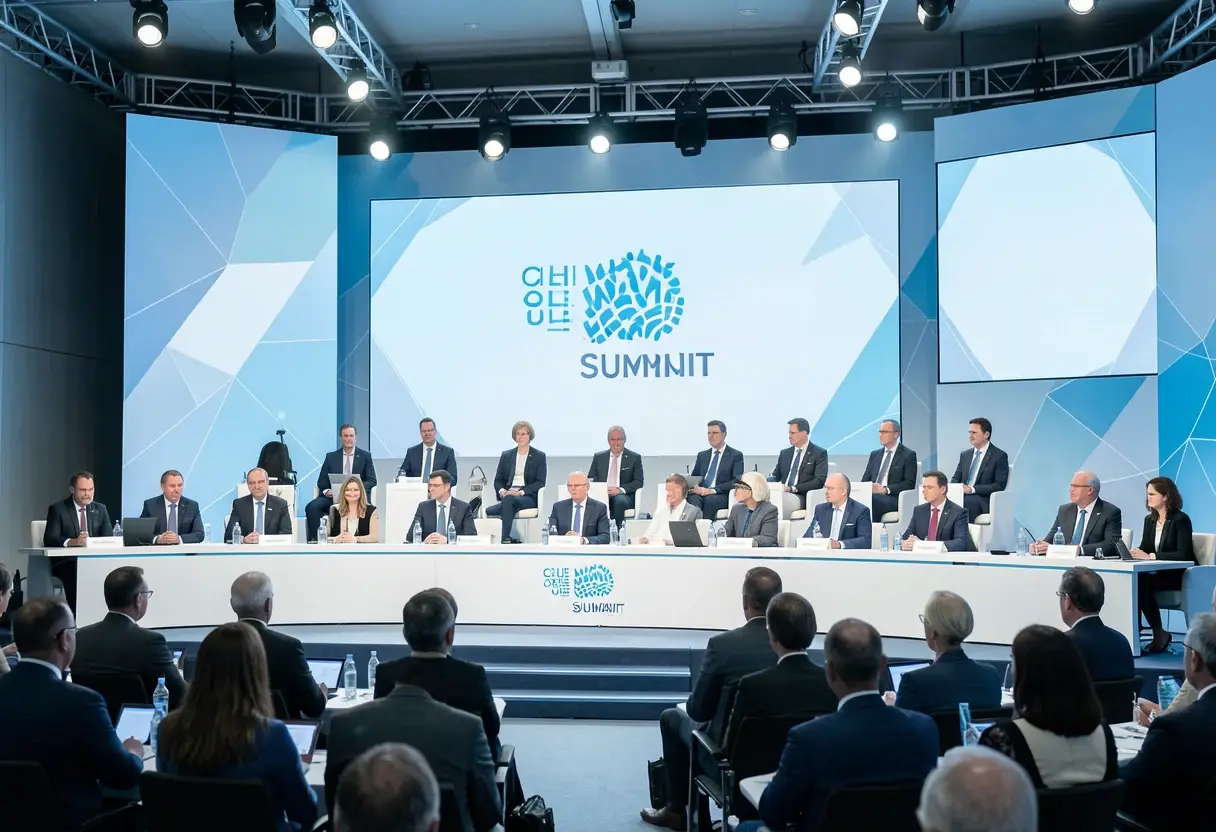
Signatories at COP31 have formally adopted the Antalya Artificial Intelligence Pledge, declaring a shared ambition to make AI part of the climate solution rather than part of the problem. That's the headline. The fine print, as always, tells a more cautious story.
The pledge, announced today at the UN climate conference, comes despite widespread concern about AI's impact on a sustainable climate and its safety within a critical energy market. The signatories, however, believe the technology can still be steered toward the greater good. Belief, though, is not a delivery mechanism. Let's look at what they actually promised.
What did the signatories commit to?
The pledge lays out four broad goals:
- Power and build AI infrastructure and hardware sustainably.
- Design, manage or procure AI responsibly across its entire lifecycle — from raw materials to disposal.
- Support assessment and reporting of the environmental impacts of AI systems.
- Strengthen financial support and technical infrastructure for AI directed at climate action.
Read that list again. Every verb is soft. "Support", "strengthen", "design responsibly" — none of these carry a number, a target or a penalty. That matters.
As an initial step, the signatories identified a set of voluntary commitments, chosen in accordance with their own capacities, national circumstances and sustainability priorities. In plain English: each country decides how much it will do, and by when. There is no external benchmark. There is no sanctions mechanism.
What does this change for AI's energy footprint?
Here is the reader's practical question, and the honest answer is: right now, very little. The pledge is a framework, not a regulation. It signals political intent to reconcile two colliding pressures — the energy demands of AI and the emissions targets of the climate agenda — but it does not bind anyone to anything.
The concern is real. AI training and inference consume large amounts of electricity, and the source notes worries about the technology's effect on a critical energy market. A pledge that asks signatories to act "in accordance with their capacities" leaves the door open to minimal compliance.
When will anyone check the homework?
There is a schedule, at least. The signatories invite each other to take stock of collective progress during each UNFCCC Conference of the Parties until 2030, starting with COP32 next year. So the first checkpoint arrives twelve months from now, and the whole exercise runs through the end of the decade.
The review and implementation process will be supported by relevant thematic forums, including the AI Summits and the AI for Good Global Summits. Those bodies host the technical conversations. Whether they can hold governments accountable is another question entirely.
What's not in the text?
Worth stating plainly, because nobody at the podium likely will:
- No emissions reduction targets for data centres or AI hardware.
- No reporting standard that companies or states must follow.
- No funding figure attached to the promise of "financial support".
- No consequence for a signatory that does nothing.
The pledge's own framing — "voluntary commitments", "national circumstances", "sustainability priorities" — signals flexibility baked in from the start. That flexibility is either pragmatic realism or an escape hatch, depending on how the next five COPs go.
The skeptical read
Pledges like this one are how international climate diplomacy begins, not how it ends. The Antalya Pledge creates a venue, a vocabulary and a review rhythm through 2030. Those things count for something. But a promise without a number is a press release with a longer lifespan. The first real test comes at COP32, when signatories must "take stock" — and we will learn whether taking stock means measuring, or merely mentioning.
via energylivenews.com (Source)
More from James Calloway
Show full bio
Staff writer covering regulation, policy and their impact on general science news at SciBeat.
404 articles