Plate Nº 49 · recorded November 13, 2026
Science Policy & FundingReported finding
39 Countries Now Back Declaration to Triple Nuclear Energy
Six new countries joined at COP31, bringing the Declaration to Triple Nuclear Energy to 39 signatories covering two thirds of world energy consumption.
By Marcus Bennett3 min read609 words
In brief
- 39 countries now back the Declaration to Triple Nuclear Energy, six joining at COP31
- Signatories account for two thirds of world energy consumption and include 8 of the 10 largest economies
- Reactors under construction will add around 88 GW by 2035, including four in Türkiye
- A World Nuclear Association report projects capacity could reach 1,467 GWe by 2050 if government targets are met
- The COP31 Presidency pledge targets electricity at 35% of final energy demand by 2035
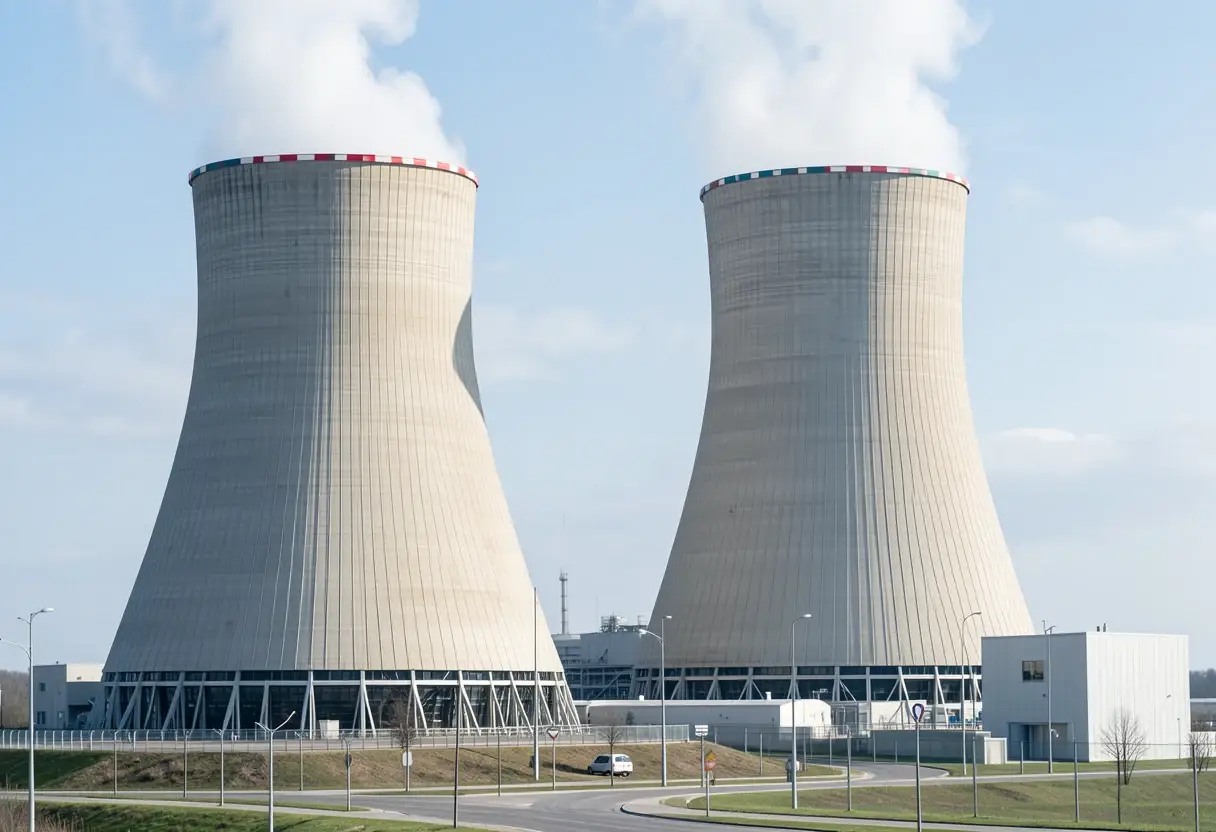
Thirty-nine countries now back the Declaration to Triple Nuclear Energy after six more joined during the COP31 summit — a group that includes eight of the world's ten largest economies and accounts for two thirds of global energy consumption.
The declaration, first launched by 22 countries at COP28, has nearly doubled its membership in three years. For practitioners in the nuclear sector, the significance is straightforward: political backing for tripling global reactor capacity is no longer a niche position but a commitment shared by most of the world's largest energy consumers.
What does the new level of support change?
The growth in signatories moves the conversation from principle to delivery, according to Dr Sama Bilbao y León, Director General of the World Nuclear Association.
"When 22 countries launched this Declaration at COP28, it was a statement of intent. Three years on, 39 countries stand behind it, and the conversation has moved from whether we triple nuclear capacity to how fast we can deliver it," she said.
She framed the next few years as decisive, identifying five concrete levers:
- Making the most of the existing reactor fleet
- Completing projects already under construction
- Committing to the next wave of projects
- Unlocking investment
- Investing in people and supply chains
That last point matters for anyone planning workforce or supplier capacity. Tripling nuclear output requires more than political signatures — it demands trained engineers, component manufacturers and financing structures that do not yet exist at the required scale in most countries.
How much new capacity is already in the pipeline?
Reactors currently under construction worldwide will add around 88 gigawatts by 2035, according to figures cited at the summit. Türkiye alone has four reactors in that pipeline. More capacity will follow from reactors scheduled to begin construction over the next few years.
Those numbers put the 2035 horizon within reach for a substantial expansion, though the declaration's tripling target extends further out and depends on projects that have not yet broken ground.
What is still missing at COP31?
The World Nuclear Association has one outstanding ask for the summit's Presidency. The Presidency has pledged to raise electricity to 35% of final energy demand by 2035 — an ambition the industry welcomes — but the pledge does not specifically acknowledge the role nuclear power could play in reaching it.
"Clean energy should be treated on equal terms," Dr Bilbao y León said. The implied argument: if electrification is the goal, policymakers should not privilege some low-carbon sources over others when setting targets and support mechanisms.
For developers and investors, equal treatment could translate into comparable access to finance, permitting priority and policy incentives currently weighted toward renewables in many jurisdictions.
Could the world exceed the tripling target?
Ahead of COP31, the World Nuclear Association released a report with a striking headline figure: global nuclear capacity could reach 1,467 gigawatts by 2050 — exceeding the Declaration to Triple Nuclear Energy's own target — if governments meet the national targets they have already announced.
That projection carries an important caveat. It is conditional on stated government targets being delivered in full, and energy plans have a long history of slipping. The 1,467 GWe figure should be read as a ceiling of stated ambition rather than a forecast.
Still, the direction of travel is clear. Three years after 22 countries signed a statement of intent, 39 countries representing two thirds of world energy consumption have put their names to a nuclear expansion pledge, and the industry's own modelling now suggests the original target may undershoot what governments say they want to build.
The binding constraint now is delivery: investment, supply chains and people.
via energylivenews.com (Source)
More from Marcus Bennett
Show full bio
News editor covering regulation, policy and their impact on general science news at SciBeat.
404 articles
Nearby plates
- NASA’s First Fission-Powered Spacecraft Clears Key Nuclear Hurdle
- COP31 opens with climate finance clash and muted outlook
- Türkiye Launches Biogas Declaration 2026 at COP31 Climate Talks
- UK Electrification Roadmap: £1.2 Billion Grid Deals and 52% Renewables Lead the Push
- China on Track to Become World's Largest Public Science Funder