Plate Nº 15 · recorded November 13, 2026
Earth & ClimateReported finding
Türkiye Launches Biogas Declaration 2026 at COP31 Climate Talks
Türkiye presented the Biogas Declaration 2026 at COP31, urging governments to scale biogas and biomethane as IEA data shows output hit 1,785 petajoules in 2025.
By Priya Raman3 min read597 words
In brief
- Türkiye launched the Biogas Declaration 2026 at COP31, presented by Deputy Minister Nevzat Şatıroğlu
- Global biogas and biomethane production reached 1,785 petajoules in 2025, with biogas at 78% of the total, per the IEA
- Biomethane output almost tripled between 2018 and 2024, reaching about 10 billion cubic metres
- The IEA expects biomethane production to more than double between 2024 and 2030
- The declaration is open to endorsement by national governments and recognises biogases' role in cutting greenhouse gas emissions
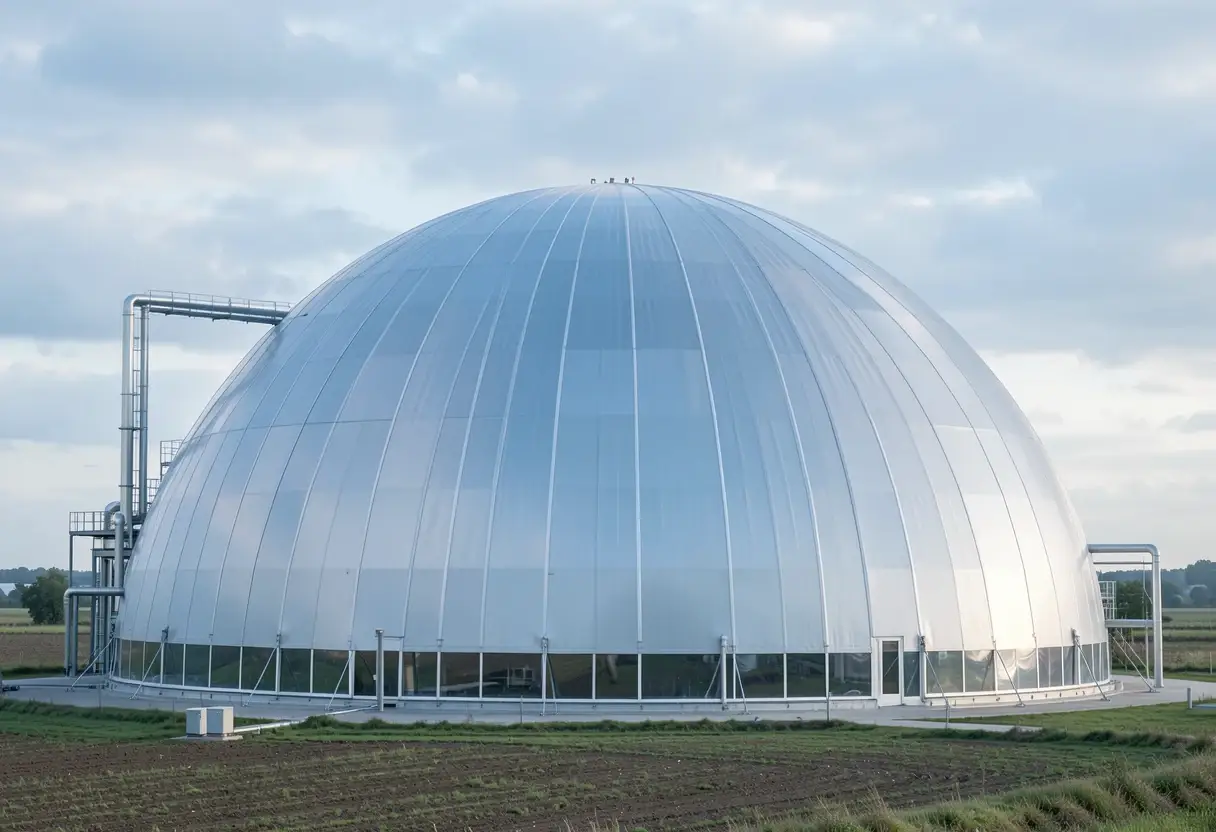
A new global initiative arrived at COP31 with a number attached to it: 1,785 petajoules. That is how much biogas and biomethane the world produced in 2025, according to the International Energy Agency (IEA), and it is the baseline behind the Biogas Declaration 2026, launched by Türkiye at the climate summit.
Nevzat Şatıroğlu, Türkiye's Deputy Minister for Energy and Natural Resources, presented the declaration. It calls on governments and stakeholders to turn the global potential of biogases into concrete action on climate change, energy supply and rural development.
What does the declaration actually ask for?
The document is open to endorsement by national governments. Its stated aim is to gather collective action that scales up the sustainable production and deployment of two related fuels:
- Biogas — a mixture of gases produced when organic material such as crop waste or food scraps breaks down without oxygen (a process called anaerobic digestion)
- Biomethane — a purified form of biogas, upgraded until it is chemically similar to natural gas and can flow through ordinary gas pipelines
The declaration also explicitly recognises the contribution of these fuels to reducing greenhouse gas emissions, the gases that trap heat in the atmosphere and drive global warming.
The framing matters. Rather than setting a single binding target, the declaration works as an endorsement vehicle: the more governments that sign, the stronger the political signal to investors and regulators that biogas and biomethane deserve funding and favourable policy.
Why energy security is part of the pitch
Şatıroğlu makes an argument that reaches beyond climate policy alone. In the Deputy Minister's framing, biogases can strengthen national energy security — reducing dependence on imported fuel by generating energy from domestic waste streams — and can improve how countries manage organic waste, the biodegradable fraction of rubbish such as agricultural residues and food scraps.
That dual logic, climate plus security, has become a familiar one in European energy debates since the disruption of gas markets earlier this decade. Rural development completes the picture: biogas plants are typically built close to the farms and food processors that supply them, anchoring investment in countryside economies.
What do the production numbers show?
The IEA figures cited alongside the declaration sketch a sector that is growing from a modest base.
Global biogas and biomethane production reached 1,785 petajoules in 2025. Biogas accounted for 78% of that total, leaving biomethane as the smaller but faster-moving share. A petajoule is a unit of energy equal to one quadrillion joules — roughly the energy contained in about 30,000 tonnes of oil.
Biomethane's trajectory is the more striking one. The IEA reported that global biomethane production almost tripled between 2018 and 2024, reaching approximately 10 billion cubic metres.
The agency expects that growth to continue. It forecasts that production will more than double again between 2024 and 2030, driven by investment and policy support across four regions in particular: Europe, North America, Brazil and India.
How firm are these projections?
Caution is warranted. The 2030 forecast depends on continued policy support, and forecast doubling represents an expectation rather than an outcome. Whether governments endorse the declaration in meaningful numbers, and whether that endorsement translates into permits, subsidies and grid connections, will determine whether the projection holds.
The declaration itself, as a non-binding political statement, does not compel any of this. What it offers instead is coordination: a shared reference point that endorsing governments can cite when designing national biogas strategies.
For a fuel derived from leftovers, that may be the realistic path forward — a steady accumulation of political weight behind 1,785 petajoules.
via energylivenews.com (Source)
More from Priya Raman
Show full bio
Senior reporter covering people, launches and day-to-day practice in general science news at SciBeat.
378 articles