Plate Nº 24 · recorded November 13, 2026
Biology & EvolutionReported finding
Deep-Sea Fish Lost 8% of Genetic Diversity in Just 12 Years
A 12-year genetic study of Gulf of Mexico lanternfish and shrimp found warning signs of extinction risk, including an 8% diversity loss in one species and up to 70% habitat shrinkage projected.
By Nathan Brooks4 min read720 words
In brief
- One lanternfish species, Diaphus dumerilii, lost about 8% of its genetic diversity over 12 years (2011-2023)
- Researchers analyzed DNA from 486 specimens across five deep-sea species in the Gulf of Mexico
- Climate models project suitable habitat could shrink by as much as 70% for four of the five species by 2050-2100
- The study, led by FIU's Pedro A. Peres, was published in Nature Communications (2026)
- All five species showed small effective population sizes, a genetic warning sign of extinction risk
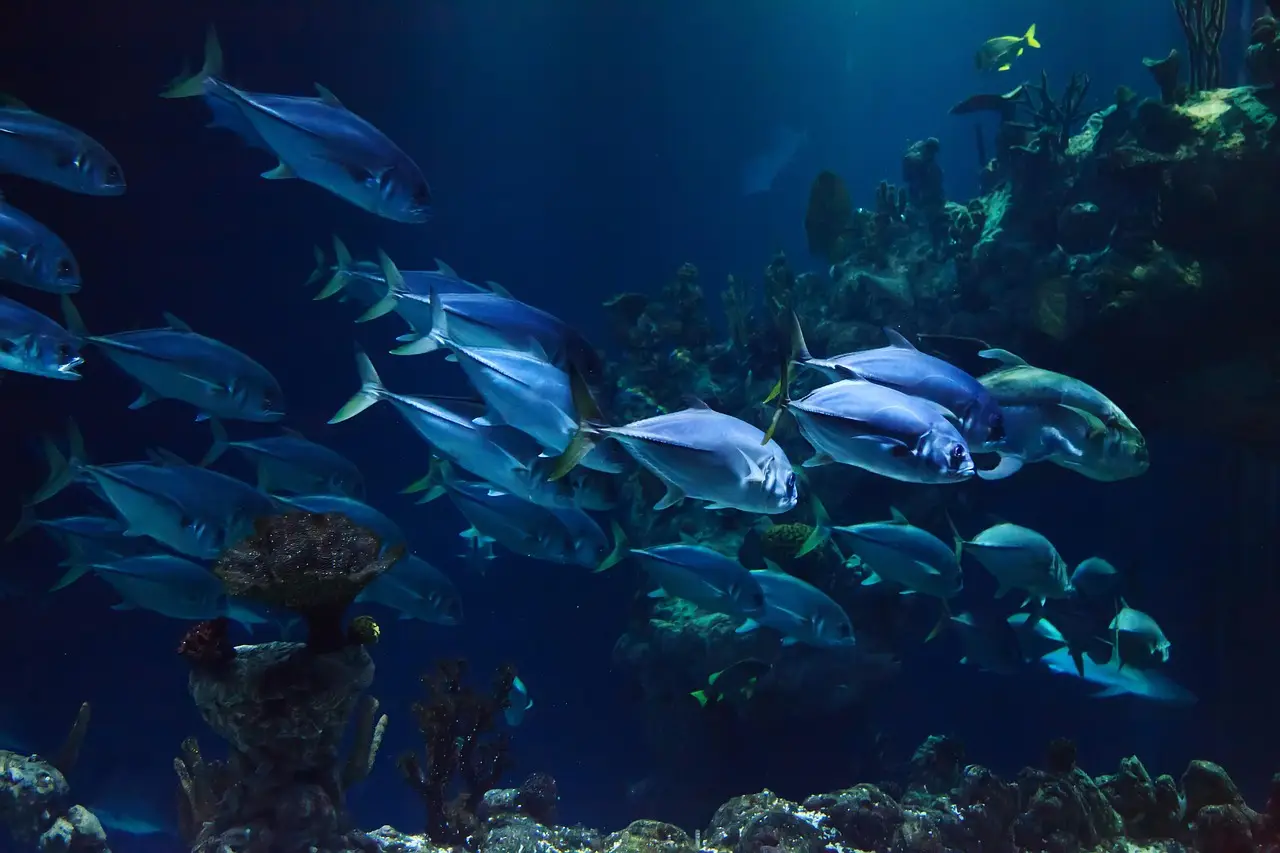
One lanternfish species in the Gulf of Mexico lost roughly 8% of its genetic diversity in just 12 years — a decline comparable to or greater than losses documented in some threatened and endangered animals over much longer spans. That's the headline finding of a new study led by Florida International University and published in Nature Communications, and it upends a long-standing assumption that the deep sea is immune to the planet's biodiversity crisis.
The research team, led by FIU marine scientist Pedro A. Peres of the Bracken-Grissom Lab, examined genetic data from 486 specimens collected between 2011 and 2023. The samples covered five species living hundreds of meters beneath the Gulf's surface: three species of lanternfish and two species of deep-sea shrimp. According to Peres, it's one of only a few studies to track how the DNA of deep-sea animals has changed over time.
What did the genetic data show?
All five species displayed genetic warning signs associated with elevated extinction risk. The 8% diversity loss in the lanternfish Diaphus dumerilii over 12 years stands out, but the pattern ran across the board.
The researchers also found that each species had a relatively small effective population size. That doesn't mean few animals exist — it means relatively few individuals are contributing genetically to future generations.
Why does that matter? Genetic diversity is the raw material for survival, explains Heather Bracken-Grissom, assistant director of the Coastlines and Oceans Division at FIU's Institute of Environment and a co-author who has spearheaded work on deep-sea genetic resilience.
"Genetic diversity provides the variation populations need to adapt to changing conditions, resist disease and recover from environmental disturbances," she said. "When that diversity disappears, a species can also lose the ability to withstand future threats."
How big is the climate threat?
To peer into the future, the team ran climate models projecting how suitable the Gulf's deep-sea habitats will be by 2050 and 2100. The results were stark: four of the five species could see their suitable habitat shrink by as much as 70%.
That's particularly concerning, Peres noted, because deep-sea species have traditionally been assumed to maintain large, resilient populations thanks to their extensive habitats and broad distributions.
"This challenges the idea that deep-sea species are naturally more resilient because they occupy such vast environments," Peres said. "It shows how much we can miss when we look only at population abundance without considering their genetic diversity and long-term viability."
Does the Deepwater Horizon spill play a role?
The findings also raise questions about the lasting effects of the 2010 Deepwater Horizon oil spill. Previous studies documented substantial declines in deep-sea animal populations after that disaster.
The researchers stop short of directly attributing the genetic changes to the spill. But they suggest environmental disturbances can leave consequences that persist long after the visible damage fades.
"Our results suggest some deep-sea populations may have already been genetically vulnerable before the Deepwater Horizon oil spill," Peres said. "This has important implications for understanding the consequences of environmental disturbances. Events such as oil spills may affect populations that already have limited genetic resilience."
Why does genetic monitoring matter?
The study's co-authors also include Keith Sellers of FIU and Tracey T. Sutton of Nova Southeastern University. Together, the team argues their findings show how genetic monitoring can expose conservation threats that traditional headcount-style population surveys might miss entirely.
"This study serves as a wake-up call for the scientific community," Peres said. It highlights, in his words, "the urgent need to integrate genetic monitoring into biodiversity assessments" and the importance of long-term monitoring to detect changes in marine populations over time.
The caveats deserve mention. This is one study of five species in a single basin, and the results are preliminary in the sense that genetic-to-extinction links take years to confirm. Still, the numbers — an 8% diversity loss in 12 years, up to 70% habitat shrinkage by 2100 — suggest the deep ocean may be far less of a refuge than scientists believed.
Publication details: Pedro A. Peres et al., "Extinction risks in deep-sea populations revealed by genomic data and ecological niche modeling," Nature Communications (2026). DOI: 10.1038/s41467-026-79098-0.
via phys.org/rss-feed/ (Source)
More from Nathan Brooks
Show full bio
Market editor covering companies, deals and strategy in general science news at SciBeat.
338 articles
Nearby plates
- Two Remote Pacific Atolls Rank Among the World's Last Intact Reefs
- Fish thrive in urban waters, but their genes tell a different story
- First global genome atlas maps hidden microbial life in 362 lakes
- Genes, Not Colony Life, Steer Cory's Shearwater Migration
- Fossil record links marine diversity peaks to climate state