Plate Nº 64 · recorded November 17, 2026
Space & AstronomyReported finding
Dream Chaser Space Plane Gets FAA Landing Approval for 2027 Debut
The FAA has cleared Sierra Space's Dream Chaser space plane to land at Kennedy or Vandenberg, setting the robotic cargo vehicle up for its long-delayed debut flight in spring 2027.
By James Calloway3 min read674 words
In brief
- The FAA approved Dream Chaser landings at Kennedy Space Center or Vandenberg Space Force Base, announced Nov. 9
- Sierra Space targets spring 2027 for Dream Chaser's first launch, a free-flying orbital test mission
- NASA selected Dream Chaser for at least six uncrewed cargo flights to the ISS in 2016; none have flown yet
- Sonic booms at Vandenberg would be limited to 1.1 pounds per square foot, similar to a thunderclap, per the FAA
- The 30-foot space plane has been in development for over two decades and lost NASA's 2014 Commercial Crew bid to Starliner and Crew Dragon
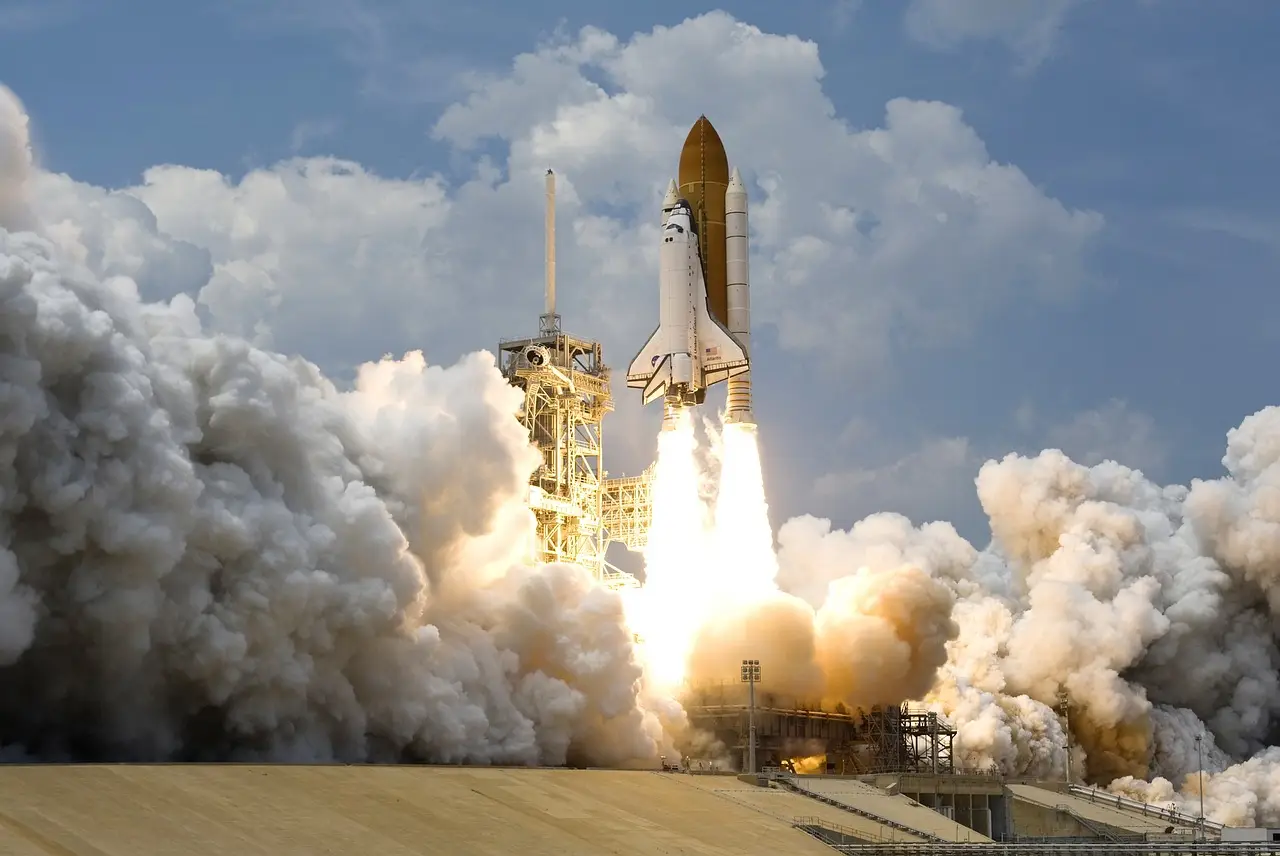
The FAA has approved Dream Chaser's return to Earth, clearing the biggest regulatory hurdle standing between the robotic space plane and its debut flight in spring 2027. Sierra Space, the Colorado company that builds the vehicle, announced the decision on X on Monday, Nov. 9.
"Thank you to the FAA for its collaboration and support of commercial space innovation," company representatives wrote.
The approval covers landings at two sites: the space shuttle landing facility at NASA's Kennedy Space Center in Florida, and Vandenberg Space Force Base in California. It follows an FAA environmental assessment concluding that Dream Chaser "would not significantly impact the quality of the human environment" under the National Environmental Policy Act.
One caveat belongs right here. The word "anticipated" does a lot of work in that finding, and environmental review is not the same as flight certification. This is permission to plan a landing, not proof the vehicle can perform one.
What will people on the ground actually notice?
For a potential return at Vandenberg, the FAA's own analysis is blunt about one effect: sonic booms. But the agency stressed they "would be temporary, short in duration, and limited to 1.1 PSF [pounds per square foot] or less, which is similar to a thunderclap." A PSF, in plain terms, is a measure of pressure — the overpressure a shockwave carries when it reaches your ears. One-point-one PSF is loud, but brief.
There's also a political wrinkle worth flagging. The same U.S. government that issued this assessment has lately been suggesting environmental laws should be bypassed to keep up with rising demand for launches and landings. So the environmental rigor behind this approval may face pressure, not the other way around.
Why is a 2027 landing approval news in 2024?
Because Dream Chaser has a long history of missing dates. The 30-foot-long (9 meters) space plane has been in development for more than two decades. It has never launched to space. It has completed only a couple of drop tests from the air — released from a carrier aircraft to practice gliding home.
The vehicle once aimed higher. Dream Chaser competed in NASA's Commercial Crew program to ferry astronauts to and from the International Space Station. It didn't make the cut. In 2014, NASA picked Boeing's Starliner and SpaceX's Crew Dragon for the taxi job instead.
Sierra Nevada Corporation — then the entity running the program — pivoted. In 2015 it unveiled a cargo version. In 2016, NASA selected the company for at least six uncrewed cargo flights to the ISS. Development delays repeatedly pushed those missions into the future, which is how a 2016 contract becomes a 2027 debut.
The rocket has changed too. Dream Chaser was originally supposed to launch on United Launch Alliance's Atlas V. A few years ago the plan switched to Vulcan Centaur, the Atlas V's successor. Dream Chaser was then booked on Vulcan's second-ever mission, but it wasn't ready in time. That flight went ahead in October 2024 without the space plane aboard.
So spring 2027 is a target, not a promise. The first mission will be a free-flying test in Earth orbit — no cargo, no station docking, just the vehicle proving it can survive the trip and land.
What does this change for the space economy?
Potentially a lot, if the schedule holds. Sierra Space is pursuing contracts with NASA, the U.S. military and private companies. One attractive market: the consortiums planning commercial space stations, which will need reliable cargo delivery once the ISS retires. Sierra Space is a member of one such group, the team behind a planned outpost called Orbital Reef.
A winged space plane that lands on a runway, rather than splashing down under a parachute, offers gentler returns for sensitive cargo. That's the pitch, at least. Dream Chaser has been making versions of that pitch for twenty years without flying once.
The FAA just removed one obstacle. Engineering timelines will decide the rest.
via space.com (Source)
More from James Calloway
Show full bio
Staff writer covering regulation, policy and their impact on general science news at SciBeat.
414 articles