Recorded November 23, 2026
Earth & ClimateReported finding
Earth Logs Its Most Anomalously Hot Day Ever: 2.12°C Above Preindustrial
Earth hit 2.12°C above preindustrial on November 20, 2026 — the most anomalously hot day on record — as a likely 1,000-year-strong El Niño compounds human-driven warming and COP31 talks collapse.
By James Calloway4 min read762 words
In brief
- November 20, 2026 measured 2.12°C above preindustrial average, the most anomalously hot day on record
- The El Niño driving the spike is likely the strongest in the past 1,000 years
- The UN projects global temperatures of 1.8°C above preindustrial, blowing past the 1.5°C Paris goal
- COP31 ended without a final agreement; the US sent no official delegation
- 2027 will almost certainly become the hottest year on record
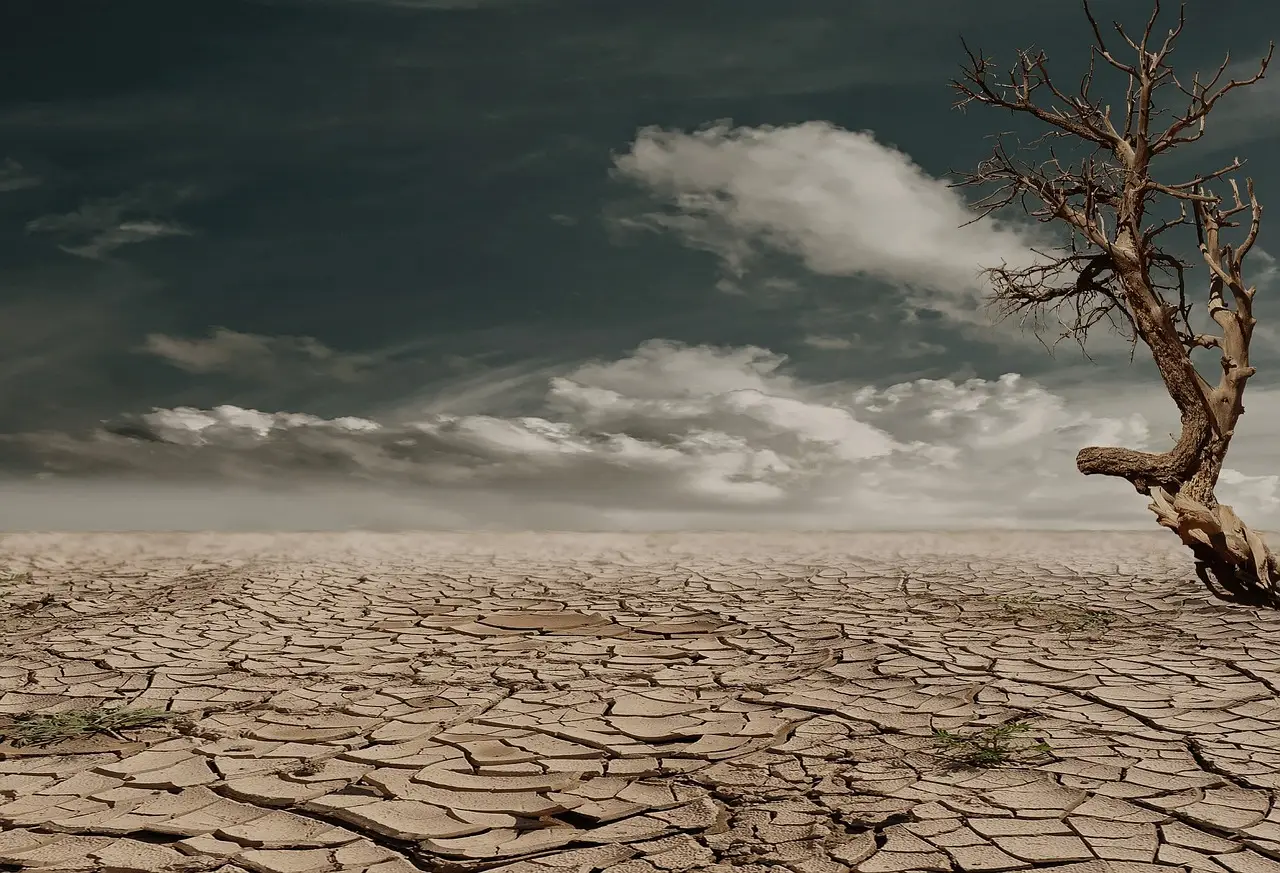
Earth has just recorded the most anomalously hot day ever measured on the planet. According to preliminary data from the Europe-based Copernicus Climate Change Service (C3S), Friday, November 20, 2026 came in at 2.12 degrees Celsius above the preindustrial average — the baseline from before humans began heating the planet by burning fossil fuels.
One day. One number. But it stacks two forces on top of each other.
The record stems from a combination of long-term, human-driven climate change and a blockbuster El Niño that scientists say is likely the strongest in the past 1,000 years. El Niño, in plain terms, is a natural climate pattern in which warm Pacific Ocean water releases stored heat into the atmosphere, temporarily pushing global temperatures upward.
The timing could hardly be worse. The record day landed just as international negotiations at the COP31 climate summit fell apart, with no global agreement on how to rein in warming.
What comes next?
More of the same, according to the scientists watching the data. As this El Niño builds to its crescendo over roughly the next month, days with an anomaly at or above 2 degrees C are likely to follow. The next several months are also likely to be record hot.
"I think we will likely see more days exceeding 2 degrees C over the next couple of months (possibly through March 2027)," said Zachary Labe, a scientist at Climate Central, a climate research nonprofit. "Though I still expect this to be more a rarity than the norm when comparing every day."
That caveat matters. A spike is not a trend, and Labe is careful to say so.
Is 2026 the hottest year on record?
Possibly. It's too early to call. 2026 could best 2024 as the hottest year on record, though it will be close and could end in a tie. But because it takes time for the heat released by El Niño in the Pacific to affect global temperatures, 2027 will likely see the biggest heat effect and will almost certainly become the hottest year on record.
Both 2026 and 2027, scientists project, will land more than 1.5 degrees C above preindustrial temperatures. Only one year has ever crossed that line before: 2024.
Does this breach the Paris agreement?
No — and this is the distinction worth holding onto.
Under the landmark 2015 Paris climate agreement, which came out of the COP21 meeting, countries agreed to limit warming to "well below" 2 degrees C above preindustrial levels and to try to keep it under 1.5 degrees C. But that limit refers to the average temperature over many years, not a single day or even a single year.
By that longer-term measure, the world has warmed by nearly 1.4 degrees C above preindustrial levels, according to the United Nations. Surpassing 2 degrees C for a day does not permanently breach the Paris limit.
Still, the direction of travel is unambiguous. The UN recently announced that the world will blow past the 1.5 degrees C mark, with global temperatures expected to hit 1.8 degrees C above preindustrial.
What happened at COP31?
The summit — to which the United States did not send an official delegation — ended without a final deal. Such agreements nominally provide a blueprint for countries to follow in lowering greenhouse gas emissions and adapting to the changing climate. This time, there is no blueprint.
Outgoing UN Secretary General António Guterres, a vocal supporter of phasing out fossil fuels, expressed his "profound frustration" at the outcome.
"Temperatures keep shattering records. Climate extremes keep intensifying. Emissions remain far too high. And every delay makes our task harder and more costly," Guterres said in a statement. "The world is now poised to exceed the globally-agreed limit of a 1.5 degree temperature rise. The window to keep that overshoot as short and shallow as possible is rapidly closing."
What does this change for the public?
In the short term, not much that's visible. The practical takeaway is a hotter stretch ahead — likely record-breaking months through at least early 2027 — while the diplomatic machinery meant to address the cause has stalled.
The caveats are real. The November 20 figure is preliminary. A single-day anomaly is weather stacked on climate, not a new permanent state. But the underlying arithmetic hasn't moved: emissions remain far too high, the record book keeps getting rewritten, and the 1.5-degree goal is now a question of how far and how long the overshoot runs — not whether it happens.
via scientificamerican.com (Source)
More from James Calloway
Show full bio
Staff writer covering regulation, policy and their impact on general science news at SciBeat.
570 articles
Nearby plates
- 2026 on Track to Rank Among Four Hottest Years Ever Recorded
- NASA Satellites Track What May Be the Strongest El Niño Since 1950
- El Niño Will Push Global Temperatures Past 1.5 Degrees C
- Strong El Niño could push 2027 global temperatures to a record
- Record El Niño intensifies Pacific storms, extends risk into 2027