Plate Nº 91 · recorded November 16, 2026
Earth & ClimateReported finding
Finland’s groundwater cycle shifted over 50 years, study finds
A 50-year comparison of 52 Finnish monitoring stations found earlier spring recharge, higher winter levels and less summer groundwater, with declines concentrated in the south.
By Nathan Brooks3 min read687 words
In brief
- 50-year comparison: observations from 1975–1999 were compared with those from 2000–2024.
- 52 stations in Finland’s nationwide groundwater network supplied five decades of observations.
- Across the 50-year comparison, earlier spring recharge brought higher winter levels but less summer availability.
- Average levels declined in southern and southwestern Finland; increases were more common in the north.
- The paper appeared in the Journal of Hydrology in 2026 under DOI 10.1016/j.jhydrol.2026.136554.
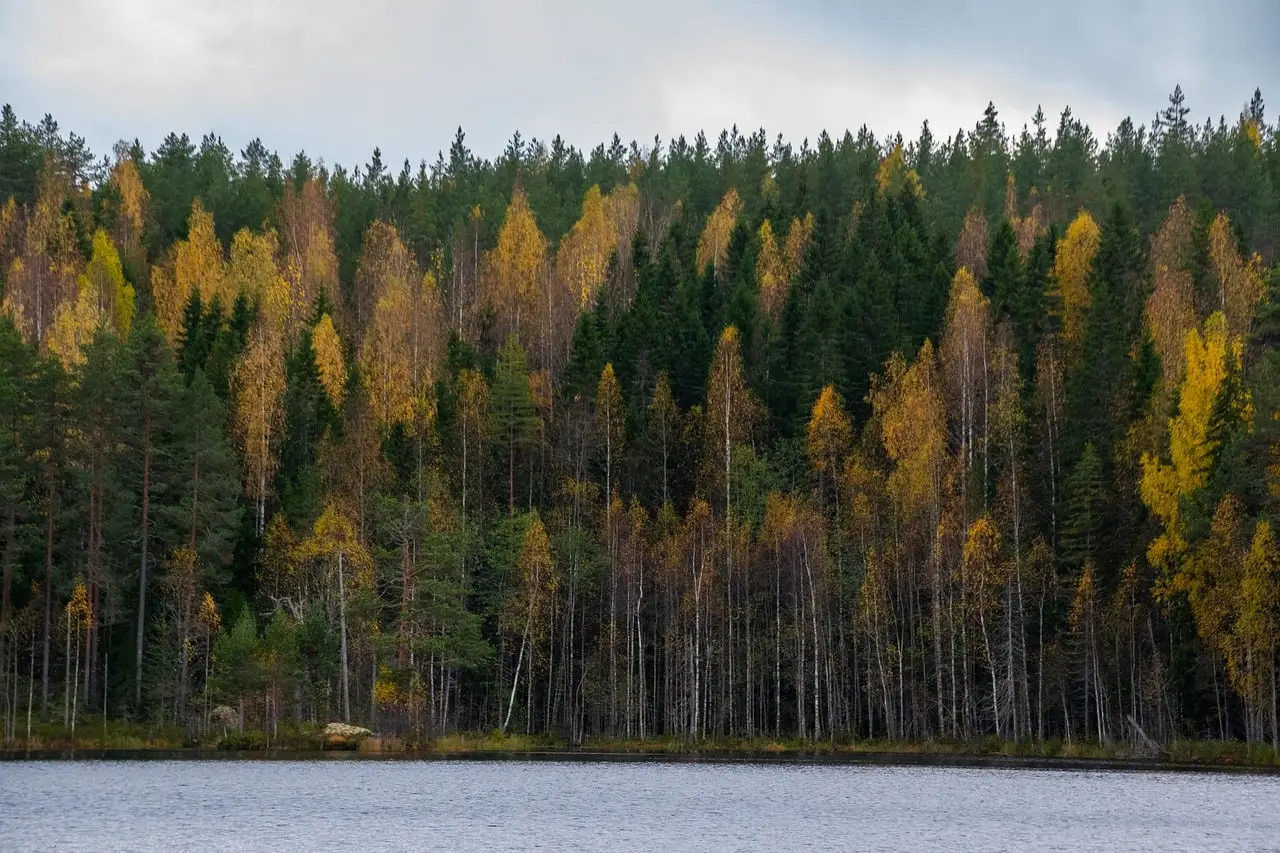
Finland’s shallow groundwater now recharges earlier in spring, while winter levels are higher and less water is available in summer, a 50-year study found. The University of Oulu and the Finnish Environment Institute compared observations from 1975–1999 with those from 2000–2024, two 25-year periods covering the full record.
What changed across Finland?
On average, groundwater levels declined in southern and southwestern Finland, while increases were more common in the north. These are regional patterns, not a claim that every monitoring station rose or fell in the same direction.
Seasonal groundwater regimes—the recurring pattern of recharge, high water and low water—are changing. Patterns characteristic of southern Finland are becoming more common farther north, which the researchers link to a changing climate. Pöykkö said the overall movement was toward the colder northeast.
Why does earlier recharge matter?
Finland’s groundwater resources sit in thousands of mostly small, dispersed aquifers, underground layers that store and transmit water. Many are close to the surface, so they are susceptible to change and can respond quickly to seasonal shifts.
The annual amount of groundwater is not enough on its own; Pöykkö said timing also determines availability. He put it plainly: “Timing matters too. If groundwater recharges earlier in spring but the summer low-water period lasts longer, less water may be available precisely when demand is highest.”
Earlier recharge can therefore raise winter levels without guaranteeing more water during summer. The observed pattern links an extended low-water period with less supply when demand is highest.
What risks are changing?
Changing groundwater conditions affect risks tied to water availability, ecosystem water stress and the timing of droughts and floods. Ecosystem water stress means too little water for environmental needs, while altered recharge can change when dry or flood conditions develop.
Drought risk may be accentuated in densely populated areas, where water demand is also high. A higher winter level therefore does not remove the summer constraint created by a longer low-water period.
How did the study detect a 50-year shift?
Researchers analyzed five decades of observations from 52 stations in Finland’s nationwide groundwater monitoring network. The Finnish Environment Institute, known as Syke, coordinates that network.
The two 25-year blocks allow researchers to distinguish long-term changes in the annual cycle from the effect of one unusually dry or wet year. That comparison depends on repeated measurements across the full period.
Mira Tammelin of the Finnish Environment Institute said: “A single dry or wet year does not yet tell us about long-term change. Five decades of observations make it possible to identify changes in the annual groundwater cycle.” Her comment underscores the value of long-term monitoring for understanding the impacts of a changing climate.
Regional environmental authorities and local observers reported measurements from the stations over the years. The study credits their sustained work with making the long-term data set possible.
What should water planners do now?
Associate professor Pekka Rossi of the University of Oulu said water-supply planning has traditionally relied on observations from the past. With the annual cycle changing, he said planners should assess whether water abstraction planning still reflects current conditions.
Water abstraction planning concerns how managers account for groundwater withdrawals. Rossi’s point is that planners should not assume the historic annual cycle still applies unchanged to current supply and demand.
What can other northern regions learn?
The authors position Finland’s results as a useful reference for examining groundwater change in other northern regions. Shallow, fast-responding aquifers occur worldwide, which makes the Finnish monitoring record relevant beyond the country.
The paper, “Changes in the annual cycle of shallow subarctic groundwater regimes over 50 years,” was published in the Journal of Hydrology in 2026. It is by Pietari Pöykkö and colleagues and carries the DOI 10.1016/j.jhydrol.2026.136554.
For other northern regions, the transferable finding is methodological: long-term observations can expose a shift in timing that annual totals hide. Finland’s 52-station record shows how a country can have higher winter groundwater levels while facing tighter summer availability.
via phys.org/rss-feed/ (Source)
More from Nathan Brooks
Show full bio
Market editor covering companies, deals and strategy in general science news at SciBeat.
402 articles
Nearby plates
- Some rivers lost flow between 1951 and 2020 even as rainfall rose
- Melting Arctic Winter Ice May Predict Eurasia's Summer Droughts
- Study finds nitrous oxide hotspots in braided-river backwaters
- Drip Irrigation Plus Winter Watering Keeps Arid Soils Productive
- Half the Groundwater Sustaining US Produce Isn't Coming Back