Plate Nº 97 · recorded November 18, 2026
Neuroscience & MindReported finding
Five Labs Tested Psilocybin in Mice. The Famous Long-Lasting Effects Didn't Hold Up
Five labs gave mice the same psilocybin dose. Immediate effects replicated; the long-lasting therapeutic ones did not, a Nature Neuroscience study found.
By Elena Vasquez4 min read814 words
In brief
- Five labs at Stanford, UC Berkeley and UC San Francisco tested 2 mg/kg psilocybin in roughly 200 mice.
- Effects measured 24 hours after dosing — including antidepressant-like effects — did not replicate across labs.
- Nearly 100 behavioural experiments yielded six unreproduced statistically significant results, consistent with chance false positives.
- A 2023 clinical trial of 104 adults and an NHS trial of 60 people still showed psilocybin benefits in humans.
- The study was published in Nature Neuroscience.
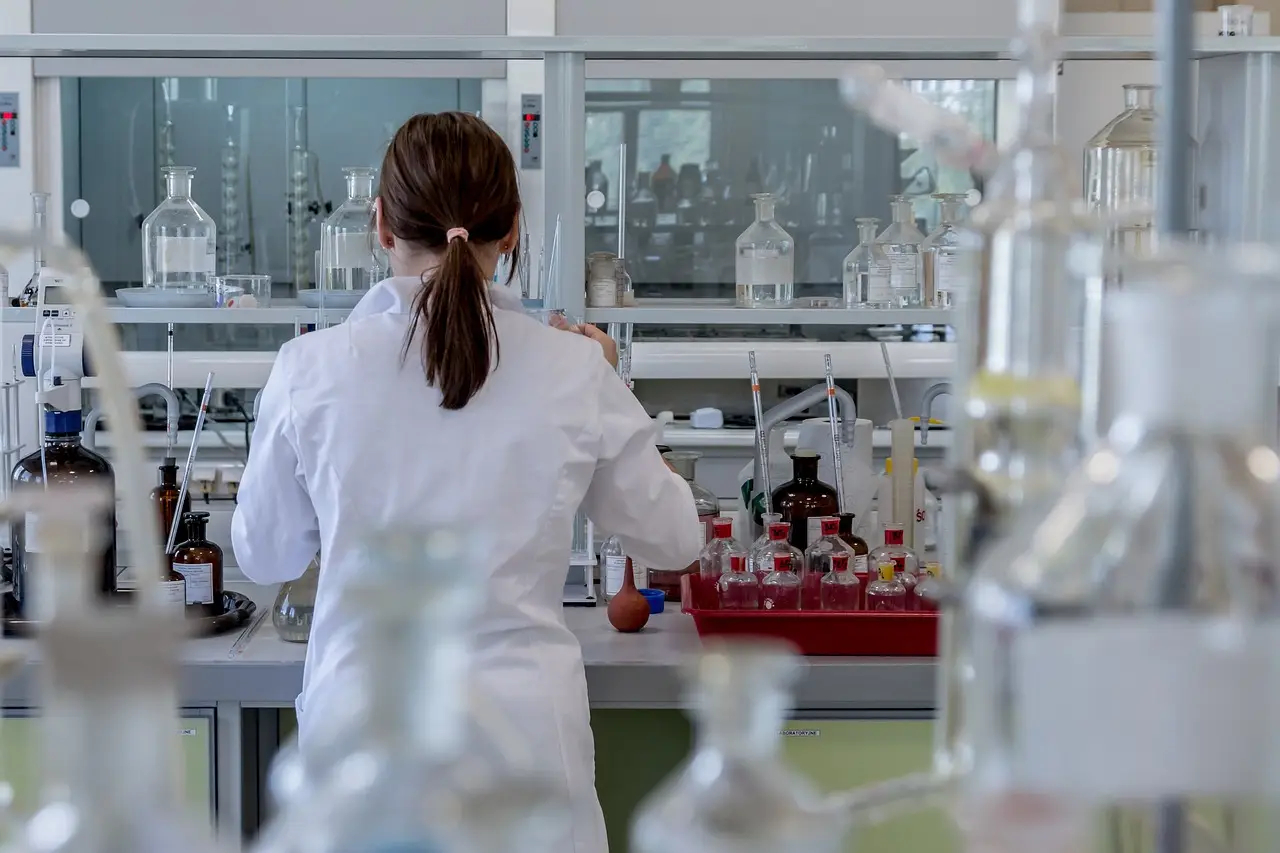
Five independent laboratories gave mice the same dose of psilocybin, and the drug's most promising long-lasting effects failed to replicate in any consistent way. The study, led by researchers from Stanford University, UC Berkeley and UC San Francisco, appeared in Nature Neuroscience.
Psilocybin, the main psychedelic ingredient in so-called magic mushrooms, has become one of the most closely watched substances in psychiatric research. A 2023 clinical trial of 104 adults with major depressive disorder found that a single dose, combined with psychological support, significantly reduced depressive symptoms compared with an active placebo — improvements that persisted through a six-week follow-up. An NHS-based trial of 60 people with treatment-resistant depression recently reported similarly promising results.
But much of the preclinical evidence rests on small studies in mice. And researchers, it turns out, often can't reproduce those results.
What did the five labs actually test?
The team ran parallel experiments across five laboratories at the three universities, administering the same dose — 2 milligrams per kilogram of body weight — to roughly 200 male and female mice in total. They standardized key procedures while allowing the minor differences that naturally occur between labs. Then they measured the drug's immediate effects and checked whether any changes persisted after it wore off.
Some effects were real. Across all five labs, mice given psilocybin consistently avoided exposed areas, spending less time in the centres of open enclosures — generally read as an increase in anxiety-related behaviour. That sounds odd for a drug studied as an anxiety treatment, but psychedelics can raise anxiety in humans while their immediate effects are unfolding.
Psilocybin also temporarily reduced conditioned fear: mice that had learned to link a cue with an unpleasant experience froze less when given the drug. Promising for PTSD, perhaps. Not proof.
Which effects failed to replicate?
The longer-lasting changes — the ones researchers care most about — proved elusive. Tested 24 hours after dosing, the mice showed no consistent reduction in anxiety-like behaviour.
Standard tests for antidepressant-like activity disappointed too. In the forced swim test and the tail suspension test, scientists measure how long mice stay immobile under stress; psilocybin did not reliably reduce that immobility across labs. Even after researchers dosed mice with corticosterone, a stress hormone used to induce behavioural changes, no robust antidepressant-like effect emerged.
Fear extinction followed the same pattern. The drug temporarily suppressed freezing but didn't consistently improve the longer-term process by which mice learn a once-threatening cue is now safe. In short: the persistent therapeutic effects could not be replicated.
"One of our main findings is that, at least with our experiments and doses used, the persistent effects of psilocybin across these behaviors was modest, if anything," said Odilia Lu, a Berkeley doctoral student and co-first author of the paper. Multi-lab collaborations, she said, help estimate a true underlying effect size and reduce publication bias — the tendency for positive results from small, single experiments to distort the literature.
How serious is the replication problem?
Quite serious. Across nearly 100 independent behavioural experiments, the researchers identified six isolated statistically significant effects that no other lab reproduced. That number roughly matches the false positives you'd expect by chance when running many tests at the conventional 5% significance threshold. It doesn't prove those six findings were false. It does show how easily one lab can generate a convincing-looking positive result.
There's also a file-drawer problem: positive results get published, null results stay invisible. In the accompanying UC Berkeley announcement, neuroscientist Andrea Gomez described a whisper network of researchers who struggled to reproduce reported psychedelic effects but never published their negative findings. A reader surveying the literature sees promise and misses the failures.
Does this mean psilocybin doesn't work?
No. The study examined mouse behaviour, not human depression, and it doesn't overturn the clinical trials. The researchers themselves stress that mouse tests are imperfect stand-ins for complex human psychiatric conditions — a mouse that stops swimming isn't experiencing anything like human depression.
"Initial very small clinical studies have shown that psilocybin could be a potential treatment for these diseases like depression and PTSD, but so far we know very, very little about what it actually does to the brain," said Stephan Lammel, a UC Berkeley neuroscience professor who runs one of the participating labs. "Once we understand what are really the reproducible effects of psilocybin on behavior, then we can study the mechanism and how it affects behavior in the brain. That was the idea behind this study."
Co-author Vikaas Sohal, a UCSF psychiatrist, warned that enthusiasm outrunning rigorous evidence could ultimately undermine the field.
Psilocybin may yet transform psychiatric medicine. The clinical evidence offers real reasons for optimism, and questions about effectiveness, safety and mechanism remain open. But promising discoveries need to survive repeated testing.
via zmescience.com (Source)
More from Elena Vasquez
Show full bio
Correspondent covering money, funding and market shifts around general science news at SciBeat.
503 articles
Nearby plates
- Five Labs, One Psychedelic: Psilocybin's Lasting Effects Fail Replication
- McGill Launches Largest-Ever Psychedelics Study for Mental Health
- Single Magic Mushroom Dose Can Anatomically Change the Brain
- Psilocybin Rewires Stressed Mouse Brains Without the Trip, Study Finds
- Short-Acting Psychedelic Tested Against Major Depression in Phase IIa Trial