Plate Nº 51 · recorded November 11, 2026
Science Policy & FundingReported finding
Four EU elections could weaken climate bloc unity at COP31
Four of the EU’s five largest countries hold contested elections within 12 months, raising the risk that far-right gains weaken Europe’s climate negotiating position.
By Nathan Brooks3 min read697 words
In brief
- Four of the EU’s five largest countries—France, Spain, Italy and Poland—hold elections over the next 12 months.
- COP31 opens Monday in Antalya, Turkey.
- COP32 falls next year, before a pivotal global climate summit in 2028.
- Marine Le Pen is the front-runner in France’s presidential election.
- Spain’s Vox hopes to enter a coalition with conservatives after the November election.
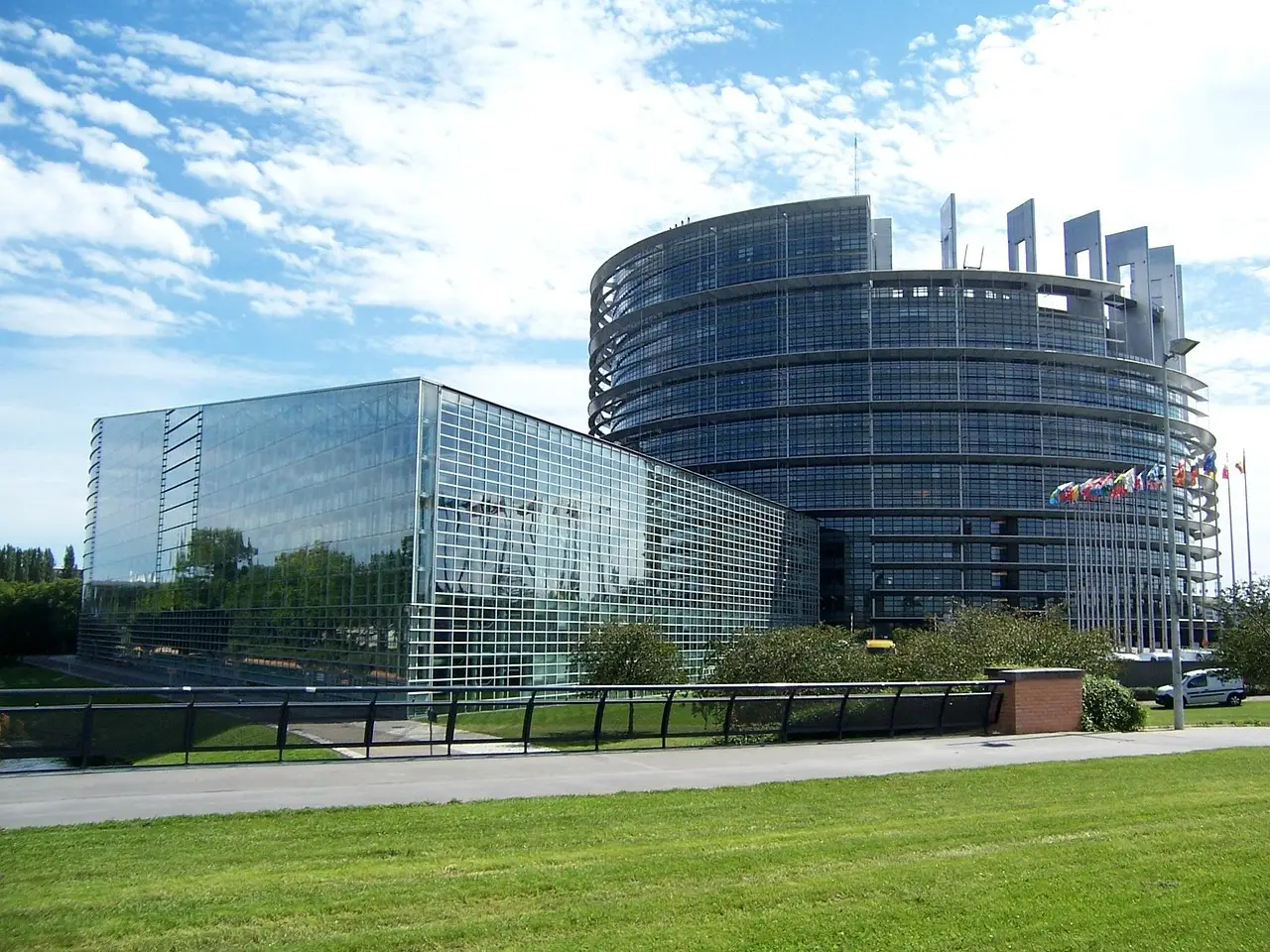
Four of the European Union’s five largest countries will hold closely contested elections over the next 12 months, creating a risk for the bloc’s unity on international climate policy. France, Spain, Italy and Poland are the countries concerned, and far-right and populist parties are expected to score strongly.
What does the EU want from COP31?
The European Union’s plan is to gain more influence over the annual United Nations climate conferences. It hopes to build negotiating influence before a pivotal summit in 2028, when countries will negotiate measures to step up global pollution cuts.
COP31, the 31st United Nations climate conference in the annual negotiating series, opens Monday in Antalya, Turkey, and will test that ambition. The bloc also wants to solidify its leadership position in international climate negotiations.
Which elections could change the bloc’s position?
The electoral calendar runs through the next 12 months, and the four contests could produce a string of far-right victories. Their impact would depend on whether election wins turn into sustained changes in national policy and European Union cooperation.
- France: Marine Le Pen, the National Rally candidate, is the front-runner in the presidential election.
- Spain: Vox hopes to enter a coalition with conservatives after the country’s November election.
- Italy and Poland: Both are among the closely contested national elections in which far-right and populist parties are expected to score highly.
At a European Parliament debate last month, Marie-Luce Brasier-Clain, a lawmaker for the far-right National Rally, said: “This COP will be a failure, like the previous ones.” Her party’s candidate, Marine Le Pen, is the front-runner in France’s presidential election.
Brasier-Clain told EU officials at the debate: “It’s because you’re pursuing an ideological agenda that cannot be implemented, on the basis of the Paris accords, without there being mass deindustrialization and social upheaval.” In plain terms, she argued that government pursuit of the Paris climate accord would require large-scale industrial shutdowns and major social disruption.
Spain’s Vox has said it hopes to enter a coalition with conservatives after the November election. Lawmaker Mireia Borrás Pabón put the party’s complaint this way: “Summit after summit, we see leaders taking private jets in order to explain that this big environmental problem is actually caused by tractors, that’s what they tell the farmers.”
Her remarks contrasted leaders’ private-jet travel with claims that farmers’ tractors cause environmental problems. In the quote, the mismatch is between leaders’ conduct and the burden placed on farmers.
How could domestic votes weaken climate talks?
Far-right and right-wing members of the European Parliament from Poland, Germany and Austria echoed those views. At home, those parties are campaigning to slash national and EU measures to reduce emissions and scale back development aid, including money for climate action abroad.
The mechanism is political rather than automatic. Election wins could produce policies that cut national and EU emissions rules and development aid, reducing support for the EU’s common position at UN talks. That would work against the bloc’s effort to use COP31 and the years ahead to build a stronger negotiating position for the 2028 summit.
The threat is not that one election alone determines COP policy. It is that four results over 12 months could weaken the shared position that supports the EU’s negotiating sway.
What could happen before COP32?
The EU’s unity could crumble before COP32, which falls next year, if election-driven policy changes pull the bloc in different directions. The immediate test starts Monday in Antalya, where the EU will try to strengthen its negotiating position before the pivotal 2028 test.
Election outcomes remain uncertain, so the far-right threat is a risk rather than a settled result. Even so, the proposed cuts to emissions measures and overseas climate aid would put the EU’s negotiating leverage at risk at future talks.
For now, COP31 opens with the EU trying to build more influence in international climate talks. Over the next 12 months, the four election results could leave the bloc less united before COP32 and the pivotal 2028 summit.
via climatedepot.com (Source)
More from Nathan Brooks
Show full bio
Market editor covering companies, deals and strategy in general science news at SciBeat.
325 articles