Plate Nº 52 · recorded November 14, 2026
Biology & EvolutionReported finding
Genes for Curiosity Separate Working German Shepherds From Show Dogs
A Swedish study of 23,000 German shepherds found gene regions linked to curiosity and fearlessness that split working dogs from show dogs — genes also tied to human behavior.
By Nathan Brooks3 min read670 words
In brief
- Uppsala University researchers analyzed behavioral data from 23,000 German shepherds and mapped genomes of 373 of them.
- Working German shepherds showed more curiosity, less fear and more sociability than show dogs in the Dog Mentality Assessment.
- The study, published in Animal Genetics, identified gene regions linked to curiosity and playfulness in working dogs.
- Some of the same genes are also tied to similar behaviors in humans, though researchers call it 'just a first step.'
- The German shepherd breed dates to 1899, when Max von Stephanitz first developed it.
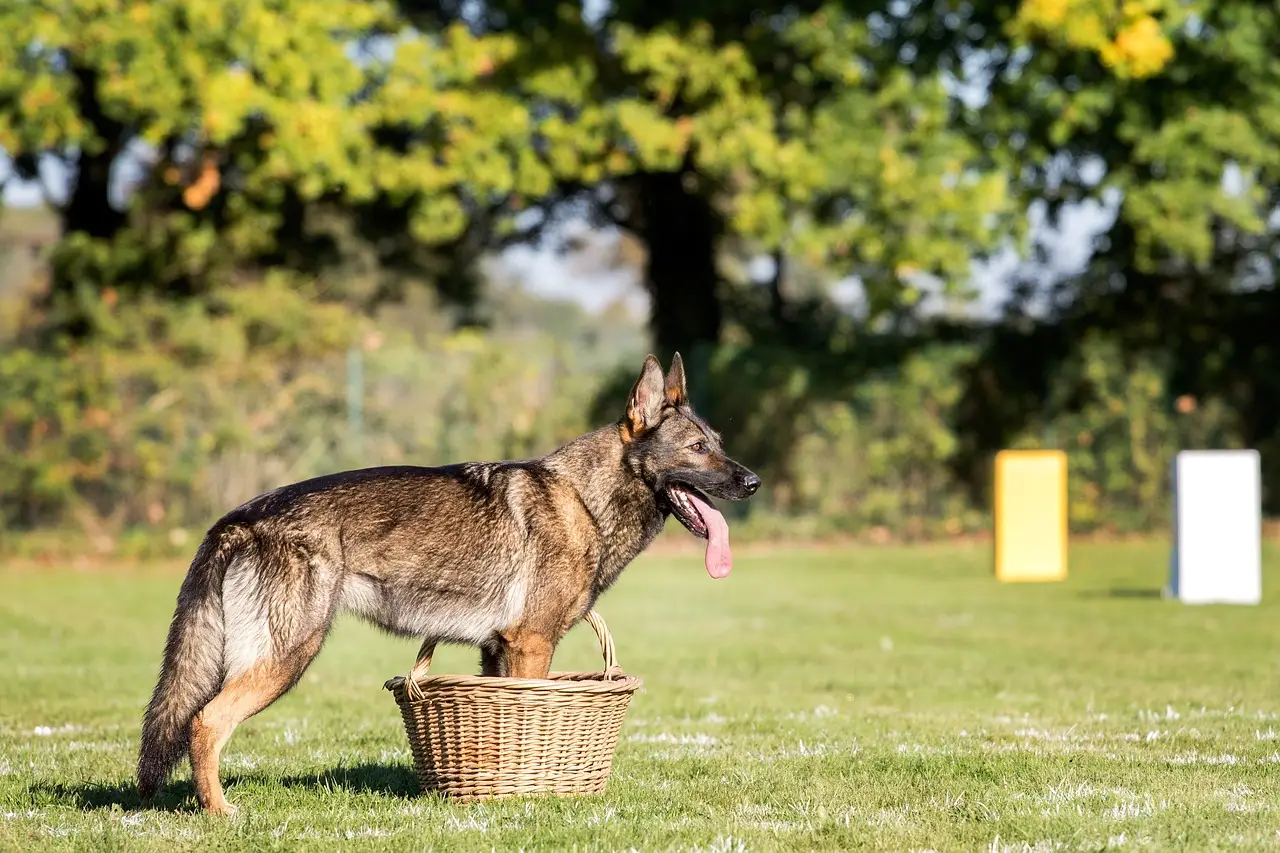
A study of 23,000 German shepherds has found that working dogs and show dogs differ not just in behavior, but at the level of their DNA. Researchers at Sweden's Uppsala University identified gene regions linked to curiosity, playfulness and fearlessness — traits that breeders of working lines have favored for over a century.
The findings were published in the journal Animal Genetics and highlighted in a university profile dated November 12, 2026. And in a twist that reaches beyond the kennel, some of the same genes also appear to influence similar behaviors in humans.
What did the study actually measure?
The team, led by Uppsala genomics researcher Kerstin Lindblad-Toh, started with a huge behavioral dataset: 23,000 German shepherds that had all taken the same standardized test, the Dog Mentality Assessment (DMA). That's a routine screening where dogs face a series of situations — meeting strangers, play sessions, and even confrontations with imposing, ghostly figures (the origin of the study's nickname-friendly subject: ghosts, it turns out, don't scare working German shepherds much).
The behavioral results showed a clear split within the breed. German shepherds overall often scored higher on traits like neuroticism and shyness, but the working dogs stood apart. They showed more curiosity, less fear, and a greater willingness to socialize with people than their show-bred relatives.
"It's interesting that we can now see that this selective breeding has indeed led to differences between working dogs and show dogs among German shepherds — differences that can be seen at both the behavioral and genetic levels," Lindblad-Toh said.
How did the researchers find the genes?
Behavior alone wasn't enough. The team then collected blood samples and mapped the complete genomes of 373 German shepherds from the pool of DMA-tested dogs — roughly one in every 62 of the animals in the behavioral dataset.
With genomes in hand, the researchers could compare DNA against behavior scores. The divergences were stark enough to locate on the genome.
"We could then see that there were areas in the genome where differences could be seen in the dogs depending on how curious or playful they were, for example," Lindblad-Toh explained. "That meant that we were able to identify some of the genes in working dogs that are linked to curiosity and playfulness."
Why would working lines carry these variants? Breeding, basically. "Breeders of working dogs have selected and bred the ones that really enjoy working; it's a bit like a game for them," she said.
What does this have to do with humans?
Here's the part that could matter beyond dog breeding: in some cases, the same genes shaping German shepherd personalities are also tied to the same behaviors in people. That overlap suggests dogs could become a useful model for studying human psychology — a much easier population to test, measure and breed selectively than humans.
Lindblad-Toh is careful about how far this goes, though. She described the study as "just a first step" along that path. It's an association found in one breed, not a demonstrated cause, and the sample of fully sequenced dogs — 373 animals — is a fraction of the behavioral cohort. The next phase, she and her colleagues hope, is learning more about breed-specific genetic traits and how they overlap with owners.
"We now have an example of how we might also acquire more knowledge about different behaviors in people with [the] help of dogs in the longterm," she said.
Why German shepherds?
The breed has a defined starting point, which makes it a good natural experiment. Max von Stephanitz introduced the German shepherd in 1899, breeding dogs for the practical work the name implies. More than 125 years later, the breed has split into two worlds: you're as likely to see one sniffing for contraband at an airport as competing at a kennel club show.
Those two careers demand very different temperaments — and, it now appears, select for slightly different versions of the same genome.
via popsci.com (Source)
More from Nathan Brooks
Show full bio
Market editor covering companies, deals and strategy in general science news at SciBeat.
355 articles
Nearby plates
- Fearlessness in the Genes: Working German Shepherds Differ From Show Dogs
- Toddler temperament linked to common DNA variations in study of 78,894 children
- Largest cognition genetics study raises rare-variant gene list to 26
- Dog Blood Study Finds Shared Aging Markers With Humans
- ADHD Linked to More Than Fourfold Higher Dementia Risk in Large Study