Plate Nº 35 · recorded November 14, 2026
Biology & EvolutionReported finding
Heel-First Walking Is Uniquely Human — and It Costs Us
Heel-first walking burns up to 41 percent less energy than a midfoot gait, and no other biped does it. A new PNAS study traces the trade-off back two million years.
By Nathan Brooks3 min read617 words
In brief
- Midfoot-first walking uses 26–41 percent more energy than a heel-first gait.
- No biped other than humans is known to walk with a consistent heel strike.
- Study compared video of 3 chimps, data from 18 others, and 9 human participants.
- Wider heels and lower-limb joints appeared in hominins 3–4 million years ago and were consistent by 2 million years ago.
- Peak knee load while running can reach up to three times the walking load.
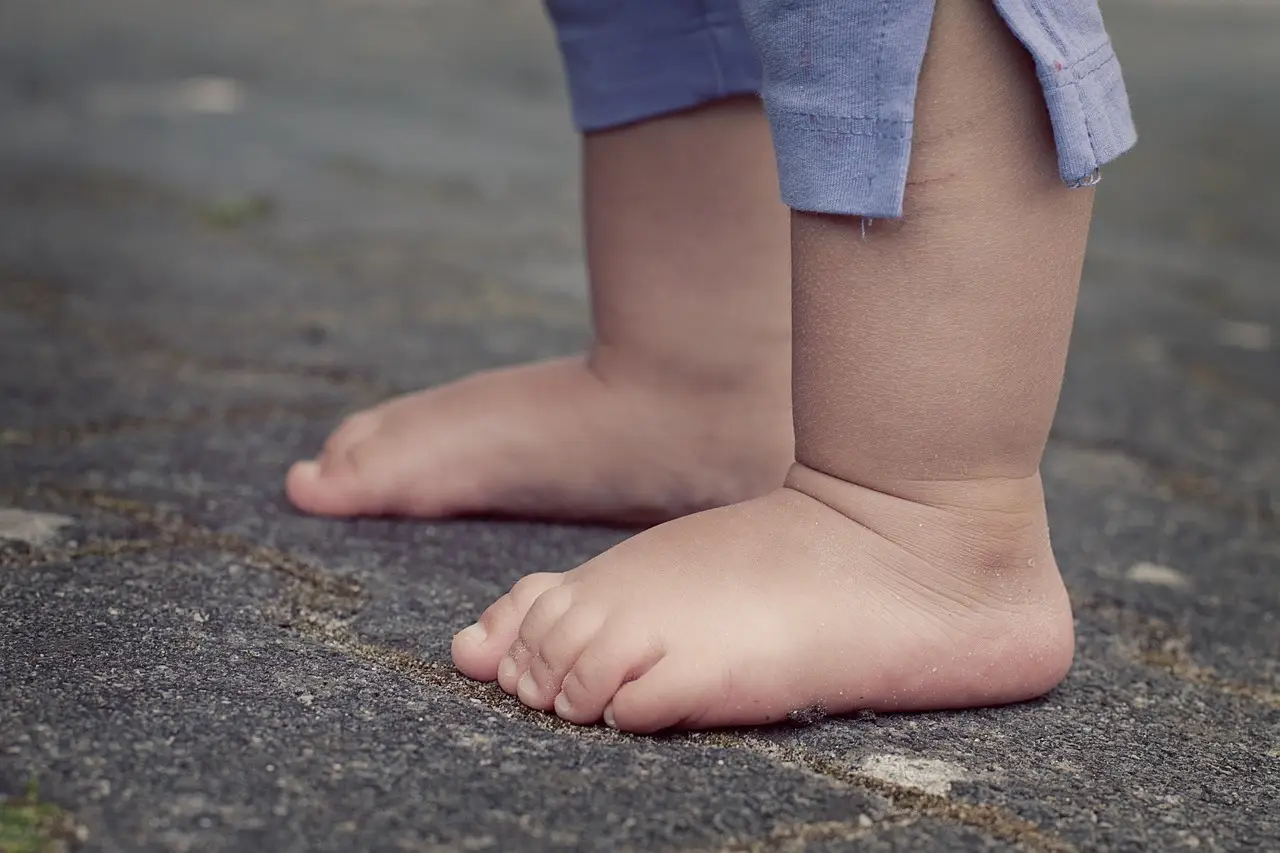
Walking heel-first burns 26 to 41 percent less energy than a midfoot gait — and no other animal known to science walks that way. A new study published in Proceedings of the National Academy of Sciences USA concludes that the heel strike is a uniquely human trade-off: higher impact forces in exchange for major fuel savings.
Pennsylvania State University and University of Buffalo anthropologist Nicholas Holowka led the research. "Walking with a heel strike is a uniquely human thing," he said.
What did the researchers actually measure?
The team captured high-speed, high-resolution video of three chimpanzees walking along a runway. They also analyzed existing walking data from 18 other chimps. Nine human participants rounded out the comparison group.
The results split cleanly by posture. On all fours, chimps land variably — sometimes heel first, sometimes closer to the little toe. Walking upright, they consistently favor midfoot strikes. The nine humans, by contrast, all walked heel first, every time.
Other research on bonobos and orangutans backs this up. Neither species walks heel first with any consistency. Among bipeds, humans appear to stand alone.
Why does the heel strike cost us?
The researchers measured impact forces on both human and chimp feet. Heel-first upright walking produces higher impact forces than a midfoot-first landing. That's the cost side of the trade.
The benefit side shows up in the energy ledger. A midfoot-first gait used 26 to 41 percent more energy than walking heel first. Think of it as roughly a quarter to nearly half again the fuel burn, for the same trip on foot.
Neelima Sharma, an evolutionary biologist at University College London who wasn't involved in the study, finds the pattern telling. Human walking prioritizes energy savings, she notes, while human running does the opposite — runners typically avoid a heel-first stride "because your joints would be under much more impact force." When we run, peak load on the knee can reach up to three times the load of walking.
When did humans evolve this gait?
The fossil record tells the timeline. Beginning about three to four million years ago, the researchers tracked widening heel bones and growing lower-limb joints in bipedal human ancestors. By around two million years ago, hominins consistently showed wider heels and joints.
That timing matters. Longer legs and a modern pelvis appear in the same window. "The ability to heel strike safely is part of this suite of features that appears around two million years ago," Holowka said.
The period also marks the emergence of hunting and gathering — a lifestyle built on long, energy-intensive journeys. An efficient walking gait would have paid for itself on every trek.
How big a deal is the heel?
Big enough that one biomechanist calls it the defining bone of the foot. The human heel bone is the largest and "most remarkable bone in the foot," said Ali Yawar, who was not involved in the work. "We should look at our heel and think of it as what makes us, among many other things, uniquely human."
The study does have limits worth noting. The chimp video sample was small — three animals on the runway, plus 18 from existing data — and nine humans is a modest comparison group. The findings are preliminary in scope, though the energy measurements line up with broader evolutionary evidence from the fossil record.
Still, the core result holds: every time you put your foot down without thinking, you're running a trade humans locked in roughly two million years ago. Your heels absorb more shock so your legs spend less energy. For an ancestor walking miles to hunt and gather, that deal was hard to beat.
via scientificamerican.com (Source)
More from Nathan Brooks
Show full bio
Market editor covering companies, deals and strategy in general science news at SciBeat.
362 articles
Nearby plates
- Monkey Foot Flexibility Reshapes Ideas About Human Ancestor
- 1.4-Million-Year-Old Footprints Reveal Larger Paranthropus Than Expected
- Neanderthal Heels Were Shorter, Wider and Built for Punishment
- Wild elephants use 40+ intentional gestures to say 'move away'
- Chimpanzee calls show first evidence of learned conventions