Recorded November 22, 2026
Earth & ClimateReported finding
Hormuz shock leaves energy system without a clear path back, IEA says
The IEA says the Hormuz crisis could force lasting energy-policy changes and accelerate low-emission technologies. Current policies still point to 2.5°C–2.9°C of warming, above a 1.5°C pathway.
By Nathan Brooks4 min read715 words
In brief
- Current or stated policies map to 2.5°C–2.9°C of warming.
- A 1.5°C-aligned pathway remains separated by a large policy gap.
- The IEA includes a lasting Hormuz-policy scenario for the first time.
- Birol says the energy world has no credible path back to its pre-crisis state.
- The crisis is likely to accelerate low-emissions technology uptake globally.
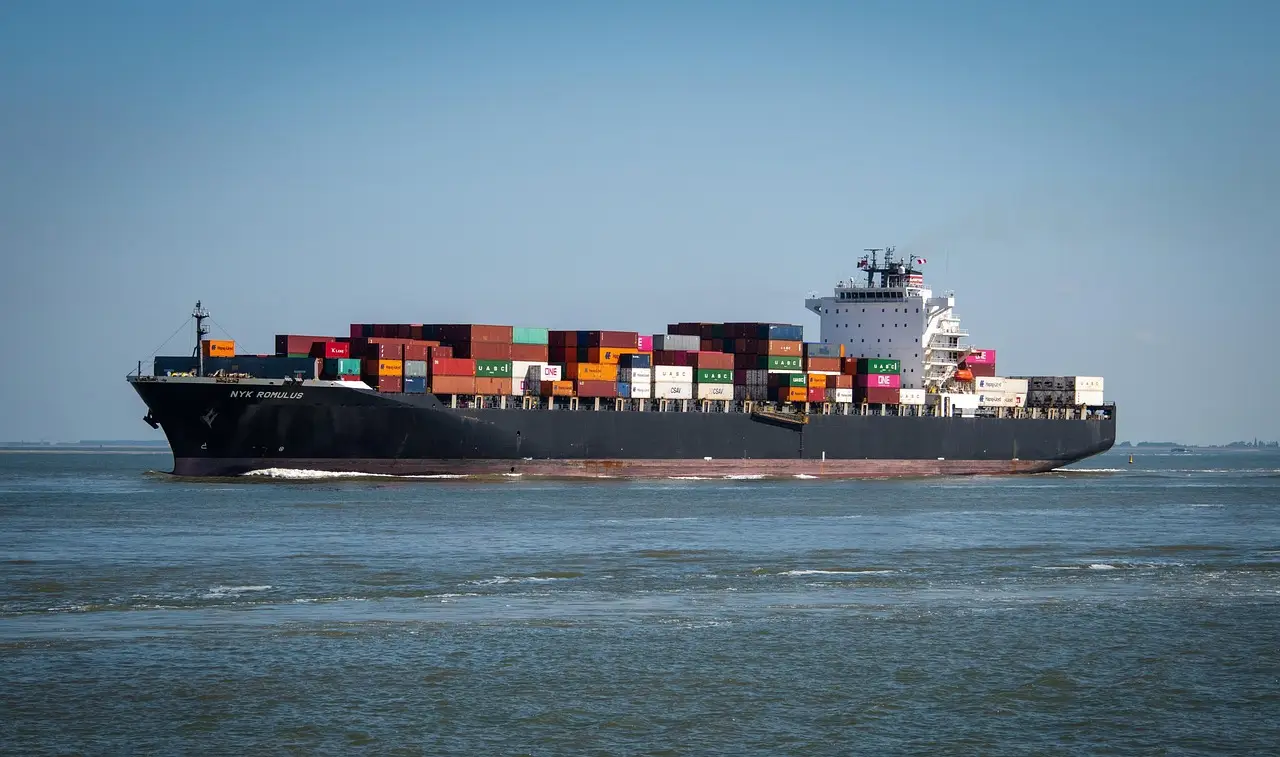
Current or stated energy policies—measures already set or announced—point to 2.5°C to 2.9°C of warming, the International Energy Agency said in its latest World Energy Outlook. That range leaves a large gap from a pathway aligned with 1.5°C, even as the Hormuz crisis appears likely to accelerate low-emissions technologies worldwide.
The outlook also tests what the crisis could do to energy policy. For the first time, the IEA includes a case in which countries turn uncertainty around the Strait of Hormuz into lasting policy changes, alongside its main scenarios.
Fatih Birol, the IEA’s executive director, said: “The Hormuz crisis has delivered a huge shock to the system. While the energy sector and the global economy have shown considerable resilience, the longer the crisis lasts, the deeper the effects will be. And I don’t see any credible pathway for the energy world to return to the way it was before.”
What does the Hormuz crisis change?
The IEA frames the outlook around the possibility of another “new normal.” Unlike the earlier break between pre-Covid and post-Covid life, this version covers the period before and during the Hormuz crisis. The agency does not declare that energy markets have already reset; Birol’s warning centers on how long the shock continues.
The energy sector and the global economy have shown considerable resilience, Birol said. That resilience can absorb the initial shock, but the agency expects longer disruption to deepen the effects. Its verdict is categorical: there is no credible pathway for the energy world to return to the way it was before the crisis.
How do scenarios differ from forecasts?
The outlook explores several energy futures that could emerge from the current turmoil. These are scenarios, not forecasts, and Birol described the analysis as being of unparalleled scope. The report offers the range as a reference for countries considering their next steps, rather than assigning one likely destination.
The new lasting-policy case makes that uncertainty explicit. It asks what could follow if today’s disruption around the Strait continues to shape national choices. It does not predict that governments will adopt those policies; the case simply tests a durable-policy outcome alongside alternatives in the IEA’s main set.
Why link energy security with cleaner technology?
The report’s broader direction is that the crisis is likely to accelerate the uptake of low-emissions technologies globally. In plain terms, those are energy technologies with lower greenhouse-gas emissions. The likely speed-up does not mean the IEA treats the shock as a complete solution to the warming gap.
Countries pursuing greater energy security face a difficult trade-off, Birol said. They risk replacing one dependency with another instead of reducing their exposure. The warning is not to swap one source of reliance for another, which would leave a different dependency exposed.
Within those constraints, Birol said: “Energy security and energy transitions have never been so closely aligned.” An energy transition means a shift toward lower-emission energy systems. The agency presents energy security and that transition as compatible goals, but its scenarios do not guarantee that either path will emerge.
How far is policy from the 1.5°C pathway?
The numerical gap remains the report’s clearest warning. Outcomes under current or stated policies range from 2.5°C to 2.9°C of warming, while the 1.5°C-aligned pathway requires a different trajectory. The IEA says the crisis is likely to accelerate low-emissions deployment, but it does not claim that the shock alone would close that gap.
The timing and depth of the Hormuz crisis also limit the certainty of the outlook. The Strait’s uncertainty is an explicit variable, and the report’s scenarios depend on how countries respond. Its purpose is to test choices across a range of futures, not to produce a single forecast or guaranteed temperature outcome.
For policymakers, the practical message is that resilience has limits. The IEA sees the Hormuz crisis as a shock large enough to alter the energy system’s direction, especially if it lasts. The agency’s outlook offers a policy reference: protect security without swapping one dependency for another, while using the crisis window to accelerate lower-emission technologies.
via energylivenews.com (Source)
More from Nathan Brooks
Show full bio
Market editor covering companies, deals and strategy in general science news at SciBeat.
563 articles
Nearby plates
- Hormuz Crisis Could Cut Strait's Oil Flow to 8.5 Million Barrels a Day
- LSEG: Current climate commitments point to 2.35°C warming by 2100
- Ministers Press Türkiye and Australia to Advance Fossil Fuel Exit Roadmap
- UN Declares Climate Change a Global Health Crisis of Pandemic Scale
- WHO Chief Puts Health at the Center of COP31 Climate Action