Plate Nº 70 · recorded November 13, 2026
Earth & ClimateReported finding
LSEG: Current climate commitments point to 2.35°C warming by 2100
LSEG estimates that current 2035 climate commitments imply about 2.35°C of warming by 2100; continued post-2035 cuts could lower the projection to 2.16°C by century’s end.
By Nathan Brooks4 min read756 words
In brief
- Maintaining emissions at levels implied by current 2035 commitments implies about 2.35°C of warming by 2100.
- Continued reductions beyond 2035 could lower warming to around 2.16°C.
- Faster progress toward net-zero commitments could reduce warming to 2.08°C.
- Heat and drought account for around 73% of the direct physical impact on global economic growth.
- LSEG says scenarios above 3°C, and even 4°C, are increasingly unlikely.
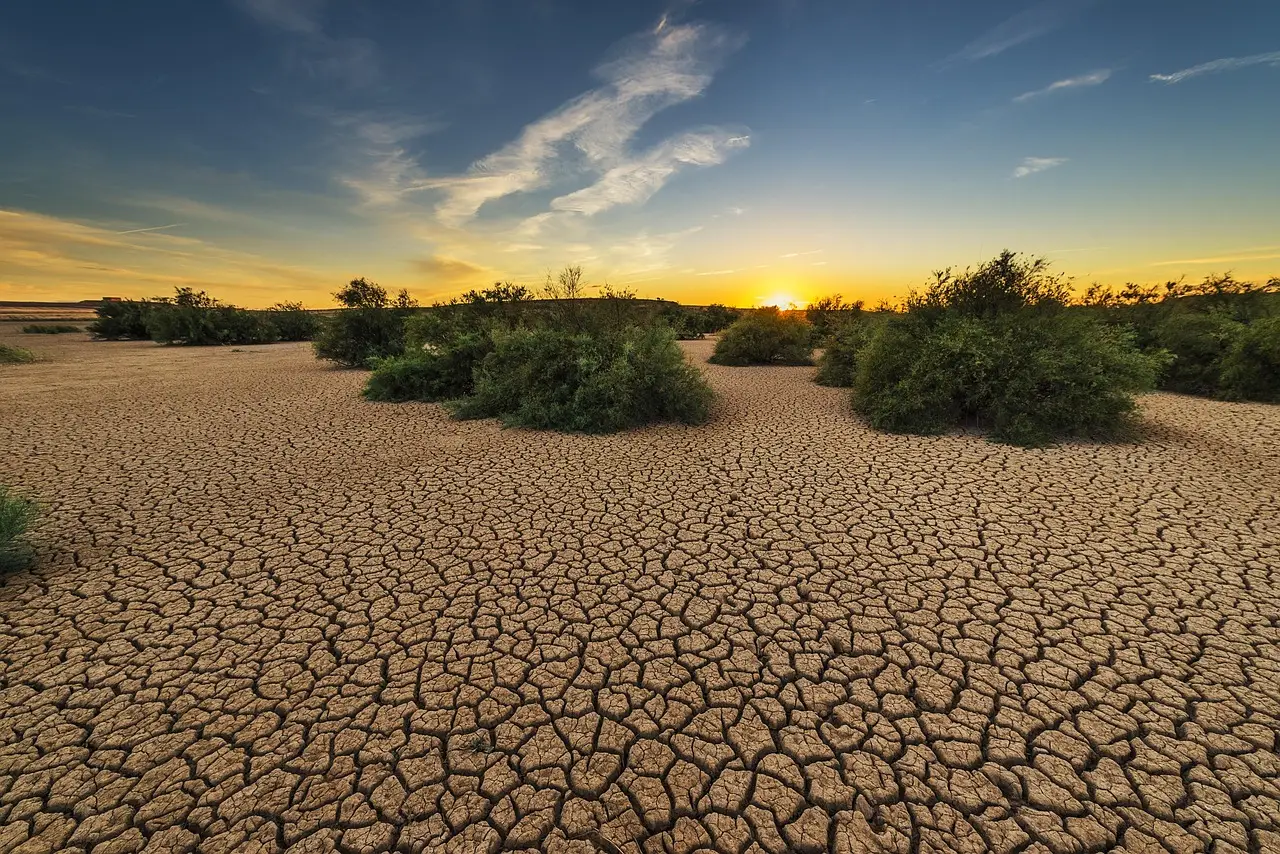
Current 2035 climate commitments would imply approximately 2.35°C of global warming by 2100, according to new analysis from risk intelligence organization LSEG.
The report finds that a decade after the Paris Agreement, climate action is accelerating but remains too slow to meet the agreement’s temperature goals. Its central conclusion is blunt: the global economy is increasingly anchored to a “well-above 2°C” trajectory.
Jaakko Kooroshy, Global Head of Sustainable Investment Research at LSEG, said: “A decade after Paris, the energy transition has materially changed the outlook for global warming.” He added: “Hot House scenarios, where warming exceeds 3°C or even 4°C, are looking increasingly unlikely, but the global economy appears increasingly anchored to a ‘well-above’ 2°C trajectory.”
What do current commitments mean for warming?
LSEG’s calculation assumes countries meet their current 2035 commitments and then maintain emissions at those levels through 2100. In plain terms, the calculation assumes emissions stop falling after 2035 and remain there. That pathway produces an estimated 2.35°C of warming by century’s end.
- Current 2035 commitments maintained: Meeting countries’ current climate commitments and keeping emissions at those levels implies approximately 2.35°C of warming by 2100.
- Continued reductions after 2035: Reductions beyond 2035 could lower warming to around 2.16°C by 2100.
- Faster net-zero progress: Moving toward net zero—balancing emissions with removals—could reduce warming to 2.08°C by 2100.
The three outcomes differ in their post-2035 emissions assumptions. The current-commitment path ends 0.27°C above the faster net-zero path, while both lower scenarios still sit above 2°C. The comparison does not change the report’s central warning: current commitments remain insufficient for the Paris temperature goals.
These are conditional estimates, not a single fixed forecast. The figures cited here provide no uncertainty range, so they should be read as the consequences of specified emissions pathways rather than precise predictions for each country.
How has climate action changed the outlook?
LSEG credits three developments with making the most extreme warming scenarios increasingly unlikely: accelerating climate action, stronger policy commitments and the rapid deployment of clean technologies. The report links that progress to a changed outlook after a decade, but not to a return to the Paris temperature goals.
Current commitments still point to a well-above-2°C future, while the report’s lower pathways remain above 2°C as well. Faster progress changes the magnitude of warming; the LSEG assessment says it still does not deliver the Paris temperature goals.
Within the report, “Hot House” covers the extreme range above 3°C or even 4°C. Calling those scenarios increasingly unlikely does not mean they are impossible; the remaining pathway still carries the report’s warning about well-above-2°C warming.
Why does the report connect warming and growth?
Climate hazards such as heat and drought account for around 73%—nearly three-quarters—of the direct physical impact on global economic growth, according to LSEG. That figure describes the immediate physical burden from those hazards, rather than the full set of ways warming can affect the economy.
The wider mechanism starts with physical climate shocks, which can spread through supply chains, trade and demand. A shock in one part of an economic network can therefore affect production, commerce and demand elsewhere, extending effects beyond the place where the hazard began.
The 73% figure therefore covers direct physical effects, not the full economic footprint. Secondary effects can carry shocks through wider markets and business networks even when the initial hazard is local.
Against that backdrop, the report treats post-2035 emissions cuts as central to both temperature and economic outcomes. Holding emissions at 2035 levels leaves the 2.35°C pathway in place, whereas the two faster-reduction pathways point to 2.16°C and 2.08°C. LSEG’s conclusion is conditional: action has improved the outlook, but current commitments remain insufficient.
How should readers interpret the numbers?
The 2.35°C figure is not inevitable. It depends on countries meeting their 2035 commitments and then holding emissions at that level; deeper cuts produce the lower estimates. That is the useful distinction between a conditional projection and a fixed prediction.
The report also stops short of claiming the hottest outcomes are gone. LSEG says 3°C and 4°C scenarios look increasingly unlikely, while warning that current policy remains anchored above 2°C. Between those verdicts lies the report’s main finding: progress is real, measurable and insufficient.
via energylivenews.com (Source)
More from Nathan Brooks
Show full bio
Market editor covering companies, deals and strategy in general science news at SciBeat.
353 articles
Nearby plates
- Regional warming nears levels tied to 1.5°C global rise
- Every Fraction of a Degree: Why 0.1°C of Warming Adds Millions at Risk
- El Niño Will Push Global Temperatures Past 1.5 Degrees C
- Global Fossil CO₂ Emissions Set to Fall 0.4% in 2026, Report Says
- Global warming has accelerated to 0.35°C per decade, study finds