Recorded November 20, 2026
Biology & EvolutionReported finding
Humpback Whale Calves Nearly Vanish From 2026 Migration
Daily humpback calf sightings off Western Australia fell from 10 to under 2 in 2026, with lows reported from Brazil to Reunion Island, pointing to Antarctic sea-ice decline.
By Elena Vasquez3 min read674 words
In brief
- Daily calf sightings off Ningaloo, Western Australia fell from a 12-year average of 10 to fewer than 2 in the 2026 winter season.
- Calf numbers in Queensland's Moreton Bay were down 90% from 2025.
- Only one calf was sighted at Reunion Island this season.
- In 2025, Queensland males outnumbered migrating females by more than 10 to 1 versus a 17-year average of 2.7 to 1.
- Around 50,000 humpbacks now migrate along eastern Australia, up from as few as 5,000 before the 1985 whaling moratorium.
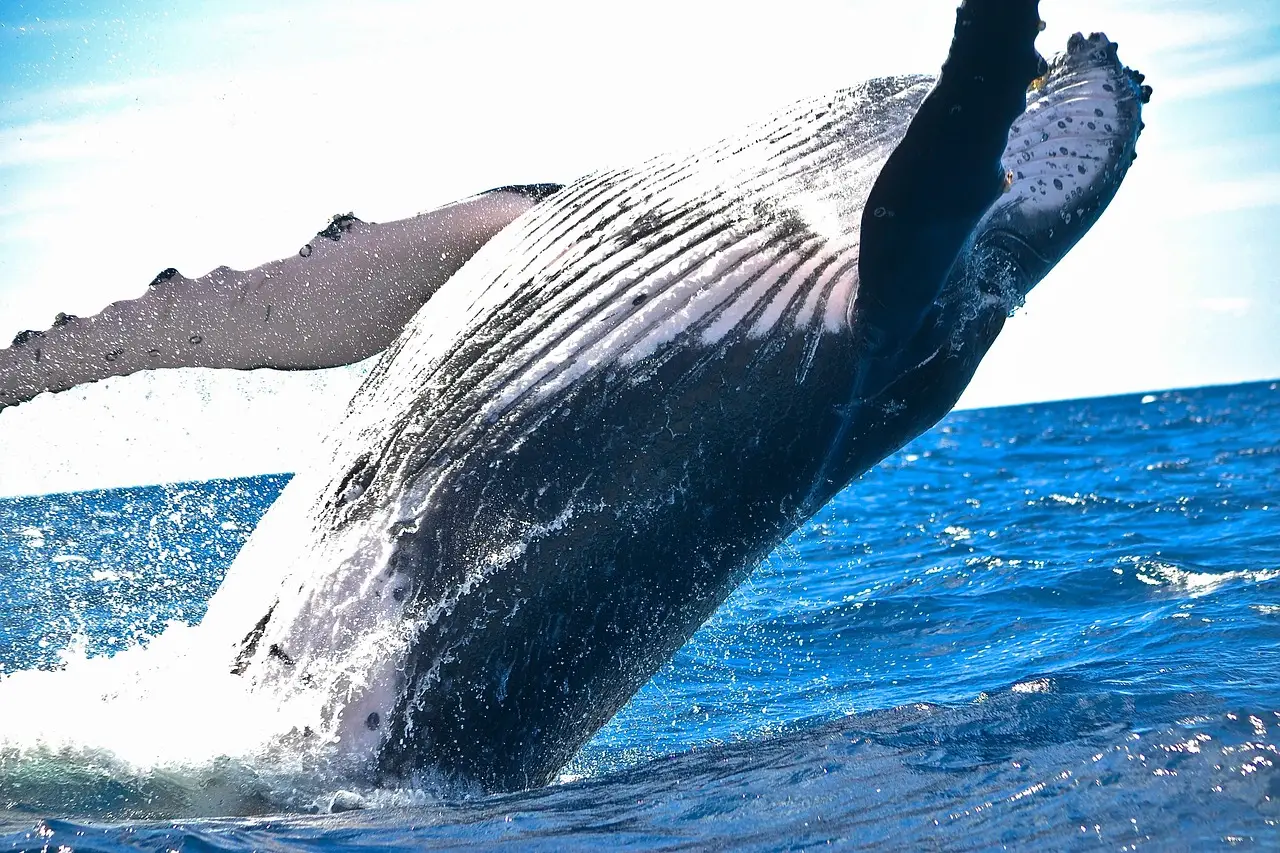
Scientists counted fewer than two humpback whale calves per day off Western Australia's Ningaloo coast this winter, down from a 12-year average of 10. Data from the Cetacean Research Center show a massive drop in calving during the 2026 northern migration — and similar reports are coming in from across the Southern Hemisphere.
Researchers with the Humpback Whale Sentinel Program, who have monitored the whales for decades, say the missing calves point to trouble much further south: in the Antarctic sea-ice ecosystem that ultimately feeds them.
A conservation success story, now under strain
Humpback whales of the Southern Hemisphere came close to extinction after centuries of whaling. As few as 5,000 animals remained. A 1985 moratorium on commercial whaling changed that, launching one of conservation's biggest comebacks. Today roughly 50,000 humpbacks migrate along the eastern Australian coastline alone.
Each winter they travel from Antarctica to tropical breeding grounds, and scientists use them as a sentinel species — a living indicator of what's changing in their ecosystem.
How bad was the 2026 calf count?
The reports stack up across oceans:
- Western Australia: fewer than two calves sighted daily off Ningaloo, versus a 12-year average of 10.
- Queensland: calf numbers in Moreton Bay down 90% from 2025.
- Reunion Island: only one calf sighted all season.
- Brazil: low calf numbers plus an increase in strandings of young whales.
- Ecuador: low calf numbers coincided with unusually warm ocean conditions.
- New Caledonia: low calf numbers and fewer known returning whales.
The timing matters. These reports come almost a decade after Antarctic sea ice suddenly shifted into a persistent low-ice regime.
Why do sea ice and calves connect?
Humpbacks in the Southern Hemisphere usually don't eat during their months-long migration to breed. They run on fat accumulated during the Antarctic summer, when they gorge on swarms of krill. Krill are tiny crustaceans, and larval krill depend on sea ice: they shelter beneath it in winter, eating algae and microbes there while dodging predators.
Satellites can track how far sea ice extends. What that loss means for the food web is far harder to measure — which is where the whales come in.
What the whale monitoring found
Each year the Humpback Whale Sentinel Program surveys and biopsies healthy, free-swimming whales from five distinct populations, each feeding in a different sector of Antarctica. Tissue samples are analyzed at Griffith University's Antarctic Sentinel Laboratory, where researchers gauge population health through individual fat stores, diet, and reproductive status — including who is pregnant, migrating and surviving.
The program previously uncovered a long-term shift toward low sea ice around Antarctica following record-breaking lows in 2017.
So where are the calves?
Female humpbacks can only sustain a pregnancy if they build enough energy reserves over the summer. Males migrate for breeding regardless of body condition, but females carry the heavy energy cost of pregnancy and lactation. Females without sufficient reserves may shorten their migration — or skip it entirely.
That appears to be what happened. In a typical year, whale numbers passing Reunion Island in the Indian Ocean and the southeast Queensland coast peak during both the northbound and southbound legs. This year, those peaks were missing, suggesting whales turned back earlier.
In Queensland, 2025 data showed males outnumbering females by more than 10 to 1, against a 17-year average of 2.7 to 1. Fewer females migrating and breeding in 2025 matches the low calf counts seen in 2026.
Is this part of a wider pattern?
Probably. The 2026 humpback downturn coincides with reports that hundreds of southern right whale calves have stranded and died this year in Argentina. South African researchers have also found southern right whales producing fewer calves.
Meanwhile, the Commission for the Conservation of Antarctic Marine Living Resources just held its annual meetings in Hobart, including discussions on extending Southern Ocean protections.
The researchers' warning is plain: humpbacks have recovered strongly from whaling, but they may now face a bigger threat — climate-driven ecosystem change that could prove irreversible.
via phys.org/rss-feed/ (Source)
More from Elena Vasquez
Show full bio
Correspondent covering money, funding and market shifts around general science news at SciBeat.
592 articles
Nearby plates
- North Atlantic Right Whales Fall to 382, Reversing Recent Gains
- Baby Whales Are Washing Up Dead in Argentina, and Scientists Are Racing to Find Out Why
- Humpback Whale Mother Stayed With Dead Calf for Days, Study Finds
- Northern Australia’s British cattle may face 195 dangerous heat days
- Drone-Collected Whale Breath Yields First Whole Genome Without Biopsies