Plate Nº 98 · recorded November 12, 2026
Earth & ClimateReported finding
Northern Australia’s British cattle may face 195 dangerous heat days
Climate models project dangerous heat days for northern Australian cattle rising from 117 to as many as 195 a year by the 2090s, with shade and heat-tolerant breeds offering partial protection.
By Elena Vasquez4 min read882 words
In brief
- British breeds face 117 dangerous heat days now, rising to as many as 195 by the 2090s under high emissions.
- Brahman dangerous heat days rise from 17 to as many as 84 in the late-century high-emissions case.
- At 38°C, cattle can eat 15%-18% less feed.
- Shade blocking 70% of sunlight restored current exposure levels in five of six tested site-and-breed combinations.
- Barkly daytime roundups could be unsafe on 217 days a year by the 2090s, up from 134 now.
By Elena Vasquez
Dangerous heat days for British-breed cattle in northern Australia could rise from 117 a year in the 1990-2010 baseline to as many as 195 by the 2090s under high emissions, new climate modeling shows.
That projection comes from Rachel Taylor and colleagues’ 2026 study, “Heat extremes threaten cattle and outdoor workers across northern Australia’s extensive grazing systems,” published in npj Sustainable Agriculture. It covers the tropical and semiarid north, where about half of Australia’s 30.8 million cattle graze outdoors every day.
Australia, one of the world’s biggest red-meat consumers, already sits 1.5°C above its 1910 temperature baseline, when national records began. The average Australian ate about 22 kilograms, or 49 pounds, of beef in 2024.
What makes cattle vulnerable to heat?
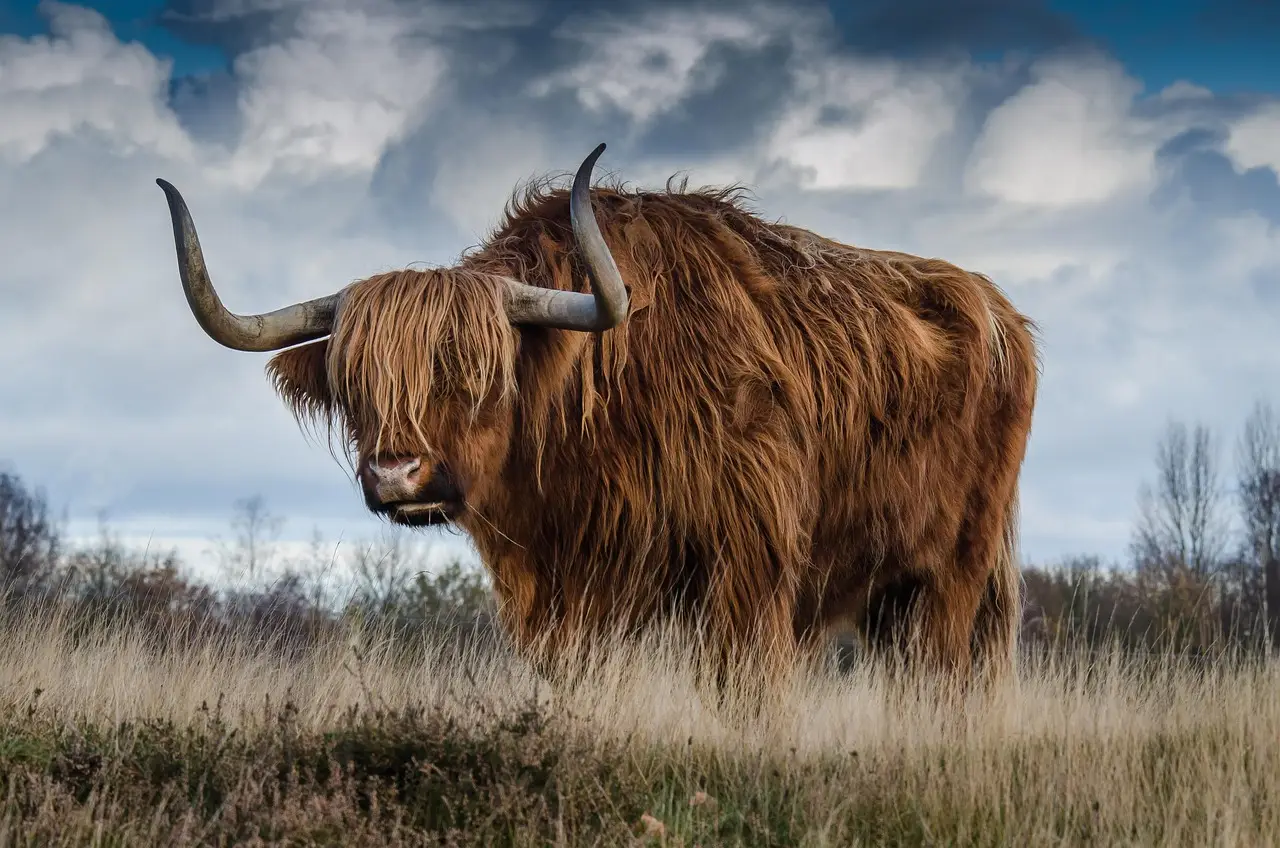
Cattle generate internal heat as microbes ferment grass in their stomachs. Unlike people, they sweat less effectively, so they pant, seek shade and wait for cool nights to shed excess heat. British breeds, including Angus and Hereford, come from cool European climates and struggle more in hot, humid conditions.
The team used a heat load index, which combines temperature, humidity, wind and sunshine to estimate the heat cattle accumulate. British breeds such as Angus and Hereford reach trouble at an index value of 86. Brahmans can tolerate values up to 96 without taking on more heat than they can shed. Most northern ranchers already use Brahman or Brahman-cross cattle.
Heat stress rarely kills cattle outright; its effects more often accumulate. At 38°C, or 100°F, hot cows eat 15% to 18% less feed because digestion adds heat. They gain weight more slowly, take longer to reach market and become less fertile. Heat above the British-breed threshold during the week before slaughter also makes “dark-cutting” beef more likely, reducing its value.
Cattle need cooler nights to recover after intense heat, but nights are warming too and provide less relief.
The practical damage will come from animals surviving heat but growing and reproducing less efficiently.
How many dangerous heat days are coming?
The team compared the 1990-2010 period with heat expected in the 2050s and 2090s under low- and high-emissions futures. It mapped conditions across northern Australia for Bos taurus, which includes British breeds, and Bos indicus, which includes Brahmans.
- For British breeds, dangerous days rise from 117 in the modeled present to 143 by the 2050s under low emissions, and to as many as 195 a year by the 2090s under high emissions. The regional averages hide worse conditions; parts of the dry semiarid interior could face dangerous heat on more than 300 days a year.
- For Brahmans, dangerous days rise from 17 to 32 under low emissions and 84 under high emissions in the late-century projections. Tropical breeds cope better, but they do not become immune.
At Dalby on Queensland’s Darling Downs, British breeds make up more than half the herd. Dangerous days increase from about 45 now to 134 by the 2090s under high emissions. A low-emissions future still lifts the figure to about 70.
In the Barkly region of the Northern Territory’s east, Brahmans make up three in four cattle. Dangerous days increase from 15 now to 106 by the 2090s under high emissions, roughly one day in three.
Heat will shift from an occasional northern hazard to a regular constraint, even for cattle bred for tropical climates.
Can shade and better breeding protect herds?
Scientific editor Gaby Clark and senior editor Robert Egan state the remedy plainly: “Shade is vital.” Cattle can wait out the hottest hours and tolerate more outdoor heat when good-quality shade blocks about 70% of sunlight. Under a high-emissions future, that shade would bring late-century exposure roughly back to today’s unshaded levels for five of the six site-and-breed combinations the team tested.
Providing this protection usually requires purpose-built structures, such as shade cloth near water points or open-sided sheds. Pasture trees offer less help, and no amount of shade removes humidity or hot nights.
Ranchers must also weigh breed choice. Some producers are bringing more British breeds north because those animals put on weight faster, but the study’s results suggest that move is risky, especially in the hottest regions. Feedlot operations have already moved to build more shade structures following a spate of cattle deaths.
Shade and heat-tolerant breeding can reduce exposure, but neither makes northern herds immune.
What does this mean for ranch workers?
Rounding cattle on horseback demands hard physical work. Under high emissions, daytime roundups in the Barkly region will be unsafe on 217 days a year by the 2090s, up from 134 now. Many ranches already start gathering cattle at dawn. By the 2090s, even dawn roundups would be unsafe on more days than full-day work is today.
The study, by Rachel Taylor and colleagues, appears in npj Sustainable Agriculture (2026), DOI 10.1038/s44264-026-00200-6. Its results point to a need for more shade, heat-tolerant breeds and schedules that move strenuous work into cooler hours.
Sharp emissions cuts would help keep the difference between a manageable problem and a serious blow to Australia’s cattle sector, the country’s most valuable farm export.
via phys.org/rss-feed/ (Source)
More from Elena Vasquez
Show full bio
Correspondent covering money, funding and market shifts around general science news at SciBeat.
384 articles
Nearby plates
- Heat Waves Are Aging Wild Fairy-Wrens Faster, DNA Study Finds
- Beef Industry Knew of Livestock's Climate Role by 1989, Study Finds
- Locally Trained AI on Gut Microbe Data Could Shield African Livestock From Heat
- Pediatricians Renew Push to Ban Raw Milk, Warn of H5N1 Risk
- Above-average temperature days up 126%, raising global economic risk