Plate Nº 52 · recorded November 11, 2026
Biology & EvolutionReported finding
Locally Trained AI on Gut Microbe Data Could Shield African Livestock From Heat
University of Johannesburg researchers say AI models trained on gut microbe data from African livestock could predict heat stress before it hits, keeping milk and meat flowing.
By Nathan Brooks4 min read807 words
In brief
- The study, published in the journal Agriculture (2026), proposes an AI-enabled policy roadmap for precision livestock nutrition in Africa.
- The authors argue AI models built for climate-controlled barns in the Global North won't work for free-ranging indigenous African livestock.
- Gut microbes send chemical signals (metabolites) that can shift how animals produce milk, meat and vitamins.
- Indigenous African breeds survive heat and drought lethal to imported breeds, but gain weight more slowly.
- Data collection would include blood, milk, rectal swabs and daily farm records of temperature and rainfall.
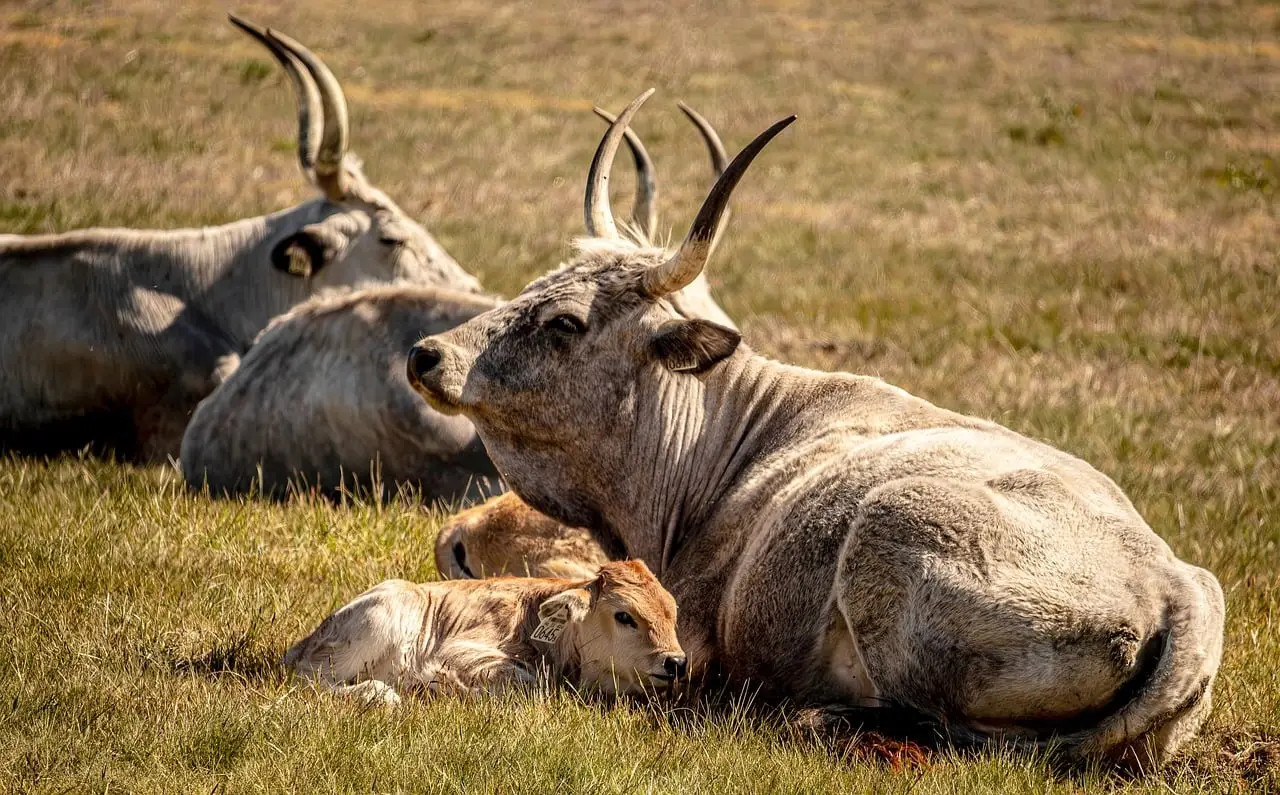
An AI model trained on data from African livestock — down to the microbes in their guts — could predict heat stress before it costs farmers milk, meat and eggs. That's the proposal in a study published in the journal Agriculture (2026) by researchers at the University of Johannesburg (UJ).
The timing matters. The African continent is bracing for the peak of one of the strongest El Niño events ever observed, and keeping stressed animals productive will be harder than in previous years. Co-author Dr. Keabetswe Tebogo Ncube, a researcher at UJ's Research Center for Plant Metabolomics, says indigenous African livestock — mostly bred by smallholder farmers — can survive heat and drought that would kill imported breeds.
The catch: those hardy animals gain weight more slowly than breeds selectively bred for meat or milk. And high-nutrition feeds, imported antibiotics and veterinary drugs are out of reach for most smallholder farmers.
Why can't farmers just use existing AI tools?
Many commercial farms already run on AI. "The technology can scan the animal, know that this animal is stressed, and trigger fans to blow mist so that the animal can cool down," Ncube explains. But those systems run on data from animals bred in the Global North, living in climate-controlled barns.
"In Africa, most of the livestock on small farms are indigenous cows, sheep and goats. These animals do not stay in one place. They have to walk long distances to eat," Ncube says. "What we need to do is collect lots of data and then train our own AI data models."
What do gut microbes have to do with heat stress?
Plants under heat stress produce fewer key nutrients — vitamins, minerals, protein — and may churn out different chemicals, or metabolites, to survive. When a heat-stressed animal eats those heat-stressed plants, its gut bacteria notice.
"Those gut microbes will communicate among themselves that the balance of the chemicals in the plants has changed. The microbes then send their own chemical signals (metabolites) to the animal they live in that there is a problem," says co-author Dr. Fidele Tugizimana, director of the UJ Research Center for Plant Metabolomics.
Those signals can shift how the animal builds proteins and vitamins. "The animal may stop or reduce its 'usual' process to make milk, or start making other chemicals to survive," he says.
The stress problem cuts both ways. Rural animals walk hours to communal grazing and are often too tired to eat once they arrive. "Such an animal is going to focus more on survival than producing meat or milk, because the priority is to survive," Ncube says. Commercial animals, meanwhile, barely move at all. Confined, they get anxious, stress hormones like cortisol spike, and mortality climbs — chickens worst of all.
How would the AI model actually work?
Tugizimana points to a farmer keeping indigenous Nguni cattle. A weather forecast flags extreme heat. If the cattle's DNA has been analyzed, and the specific genetic markers of heat-tolerant gut microbes are known, farmers could act early.
"We can tell this specific cow doesn't have this marker. It may get too stressed under the heat. Rather, let's start preparing it or do something different to support it before it gets too stressed," he says.
Building that model means characterizing the chemical languages gut microbes use — a universe that's still mostly unknown — across many conditions, including heat and drought. "The more information, the more understanding we get, the better the AI data models that we can generate," Tugizimana says.
Who collects the data — and how?
The researchers sketch a practical sampling toolkit:
- Serum from blood for stress hormones and heat-stress responses; whole blood for DNA analysis of heat-tolerance markers.
- Milk samples to track protein, butterfat and calcium percentages as conditions change.
- Rectal swabs for gut microbes and metabolites — faster and cleaner than dung samples, which risk contamination.
- Meat samples only as a last resort, given ethical clearance and the cost of controlled rearing and slaughter.
Farmers themselves can pitch in with daily temperature and rainfall records, monthly feed adjustments and animal weights, plus logs of births, deaths, purchases and sales. Smallholders can also benefit directly — shifting grazing hours earlier and later to dodge the worst heat could help even without high-tech kit. A village-cluster data project would depend on good relations between traditional authorities and state agriculture officers.
The findings are preliminary in one sense: this is a roadmap, not a built model, and it rests on data that doesn't exist yet at scale. But the authors argue local AI could help Africa's growing population conserve its livestock under an increasingly uncertain climate.
Reference: Keabetswe Tebogo Ncube et al., From Microbiomes to Precision Livestock Nutrition: An AI-Enabled Policy Roadmap for Africa, Agriculture (2026). DOI: 10.3390/agriculture16161718
via phys.org/rss-feed/ (Source)
More from Nathan Brooks
Show full bio
Market editor covering companies, deals and strategy in general science news at SciBeat.
325 articles
Nearby plates
- Cambridge AI Maps Senegal's Smallholder Crops With 84% Accuracy
- 392 Million Records: New Database Maps Europe's Changing Food Risks
- Researchers Propose National Consortium to Defend Agriculture from Cyberattacks
- AI Scientist Makes Biological Discoveries With Minimal Human Help
- Northern Australia’s British cattle may face 195 dangerous heat days