Plate Nº 45 · recorded November 14, 2026
Chemistry & MaterialsReported finding
Hydrogel with micropillars keeps glass clear even in extreme condensation
A micropatterned hydrogel coating from UC Berkeley and ETH Zurich stayed fully transparent through boiling-pot condensation, outperforming all existing antifog technologies tested against it.
By Priya Raman4 min read706 words
In brief
- A micropatterned hydrogel coating regained full transparency in 30 seconds under a pot lid boiling vegetables.
- The research was published in Nature Communications by teams at UC Berkeley and ETH Zurich.
- The material combines water-absorbing hydrogel chemistry with invisible cylindrical micropillars that wick water into a continuous film.
- The coating outperformed superhydrophilic and superhydrophobic coatings in optical clarity and stability tests.
- Potential applications include vehicle cameras and LiDAR sensors that fog can temporarily obscure.
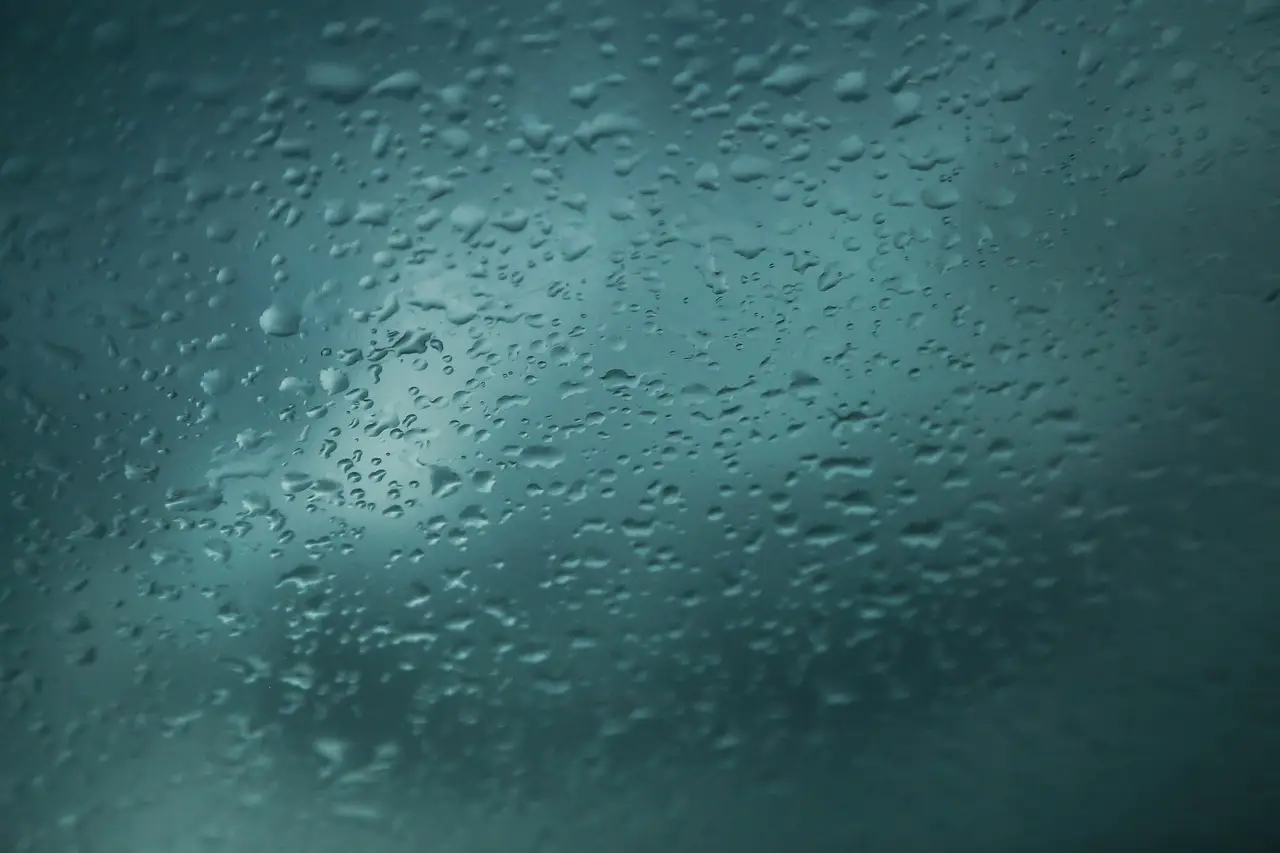
A new antifogging coating restored full transparency in just 30 seconds on a glass pot lid boiling vegetables — a level of condensation that defeats every conventional antifog technology on the market. Engineers at UC Berkeley and ETH Zurich developed the material and published their results in Nature Communications.
The coating is a hydrogel (a soft, water-attracting gel, the same class of material used for contact lenses) whose surface carries cylindrical micropillars, each invisible to the naked eye. Together, the chemistry and the texture absorb condensed water and spread it into a thin, continuous film instead of allowing light-scattering droplets to form.
Why fogging matters beyond eyeglasses
Fogged spectacles and frozen-food cases are familiar irritations. But as sensors and cameras spread into vehicles and everyday devices, fogging has become more than an annoyance; it can block the transmission of critical visual information.
Fog forms when microscopic water droplets condense on a transparent surface, usually because the surface cools or the surrounding water vapor pressure rises. Each droplet behaves like a tiny lens, scattering light and making the view hazy.
How existing solutions fall short
Conventional antifogging approaches work in one of two ways. Hydrophilic (water-attracting) surfaces encourage droplets to merge into a film that preserves transparency. Hydrophobic (water-repelling) surfaces use special microstructures to repel droplets, much as the eyes of cicadas do.
Both strategies handle mild water accumulation, but both typically fail under supersaturated conditions — when condensation simply overwhelms the surface.
"We wanted to try a different approach and create durable antifogging materials that could passively function in all environments," said co-principal investigator Thomas Schutzius, an associate professor of mechanical engineering at UC Berkeley who previously worked at ETH Zurich.
A coating that both loves and wicks water
The team's answer combines the two philosophies. "We wound up developing a coating that is both water loving and water wicking," Schutzius said.
The hydrogel is intrinsically hydrophilic because it is packed with nano-sized pores that soak up water. But that absorption capacity is finite: once the material saturates, droplets begin to form again. The researchers solved this by engineering the forest of cylindrical micropillars across the surface. The texture produces a microwicking effect — it draws water across the surface, generating a stable, continuous film that sustains transparency even under severe condensation.
"By changing the texture of the hydrogel so that fog droplets form a stable, continuous film, our solution can sustain surface transparency even under severe condensation conditions," Schutzius said.
How the researchers tested it
The team validated the micropatterned hydrogel across a range of condensation conditions. On both optical clarity and stability, it consistently outperformed competing antifogging alternatives, including superhydrophilic and superhydrophobic coatings.
Then came a practical, deliberately extreme test: cooking. The researchers placed a patch of the hydrogel on the underside of a glass pot lid and boiled zucchini and carrots beneath it. At first the patch looked misty, and the vegetables were hard to see. Within 30 seconds, it turned completely transparent again.
"We've shown that this micropatterned hydrogel is a practical solution for even the most demanding applications," Schutzius said. "Its unique combination of wet-state transparency, strong adhesion and reliable performance under severe condensation gives it a distinct advantage over existing antifogging technologies."
What comes next?
The findings come from laboratory conditions, and commercial deployment remains a question of industrial interest. Schutzius sees potential applications wherever optical transparency must survive heavy condensation — notably vehicles, where fog can temporarily obscure cameras and LiDAR sensors (light-based ranging devices used in driver-assistance systems), creating a safety issue.
"As we engage with industry, we'll see if there's interest in further developing this technology for other, specific applications," he said. "This could include sensors that operate outside the human visible spectrum or possibly applications that we haven't even thought of."
Schutzius co-led the investigation with Dimos Poulikakos of ETH Zurich. Co-authors include Hyunchul Park of ETH Zurich and the Korea Institute of Science and Technology; Cheuk Wing Edmond Lam of ETH Zurich and MIT; and Iwan Haechler of ETH Zurich and Solabs Nanotechnology GmbH.
Thirty seconds from mist to clear glass — a small patch that may keep tomorrow's sensors seeing straight.
via news.berkeley.edu (Source)
More from Priya Raman
Show full bio
Senior reporter covering people, launches and day-to-day practice in general science news at SciBeat.
388 articles
Nearby plates
- Raindrops can damage paint with microscopic electrical discharges
- Porous Plastic Layer Keeps Cooling Roof Coatings 5.2°C Colder
- NASA Tests Tools to Tackle Rare Supercooled Large Droplet Ice
- EPFL Team Builds a Sunlight-Powered Sheet That Splits Water Into Hydrogen
- Light-Activated Crystals Destroy DNA in Water, Could Curb Resistance