Recorded November 23, 2026
Biology & EvolutionReported finding
Inaccessible food makes wild rats 83% more likely to enter tunnels
Wild black rats were 83% more likely to enter food-baited tunnels when a visible, inedible peanut-butter decoy sat outside the entrance in Sydney bushland.
By Nathan Brooks4 min read777 words
In brief
- Wild black rats were 83% more likely to enter food-baited tunnels when an inaccessible peanut-butter decoy sat outside.
- The decoy sat inside steel mesh, allowing rats to see and smell it without eating it.
- Controls found that inaccessible food inside tunnels did not raise entry rates or simply attract more rats.
- To the authors’ knowledge, this was the first phantom-decoy effect reported for trap entry in a wild mammal.
- The paper appeared in the Journal of Applied Ecology in 2026 with DOI 10.1111/1365-2664.70623.
By Nathan Brooks
Wild black rats were 83% more likely to enter food-baited tracking tunnels when an inaccessible peanut-butter “decoy” sat outside the entrance, a 2026 study reports. Jenna P. Bytheway and colleagues wrote: “Rats were 83% more likely to enter tunnels containing a basic food reward when the inaccessible ‘phantom’ food was present.” It appeared in the Journal of Applied Ecology.
How does a decoy change a decision?
A decoy effect occurs when one option changes how a person judges the alternatives. Restaurants may place prohibitively expensive bottles on menus without expecting them to sell, because their presence can make cheaper wines seem like better value.
Sold-out vacation packages, unwanted premium subscriptions and clearly overpriced products can produce similar shifts. These examples show that decisions do not rest on absolute value alone; the other options available at that moment also shape preference.
Like humans, wild animals make choices under uncertainty, including whether to investigate a novel object, where to forage or whether a trap offers enough reward to justify its risks.
Why does entering a trap remain the hard step?
Rats rank among the world’s most successful and adaptable animals. They damage crops and infrastructure, spread disease and threaten native wildlife, costing economies billions of dollars every year in damage and pest control.
Despite more than a century of innovation and thousands of patented trap designs, one requirement remains: the animal must choose to enter. Wild rats often approach unfamiliar objects cautiously, a behavior called neophobia, meaning fear of new things.
Even attractive bait may fail when perceived risk outweighs reward. Researchers have traditionally improved lures, made traps more appealing or reduced fear of the device. The study tested another approach: changing how rats perceived their options.
How did the Sydney field test work?
The team worked with wild black rats (Rattus rattus) in bushland around Sydney. They installed tracking tunnels, which function much like traps but allow animals to leave freely.
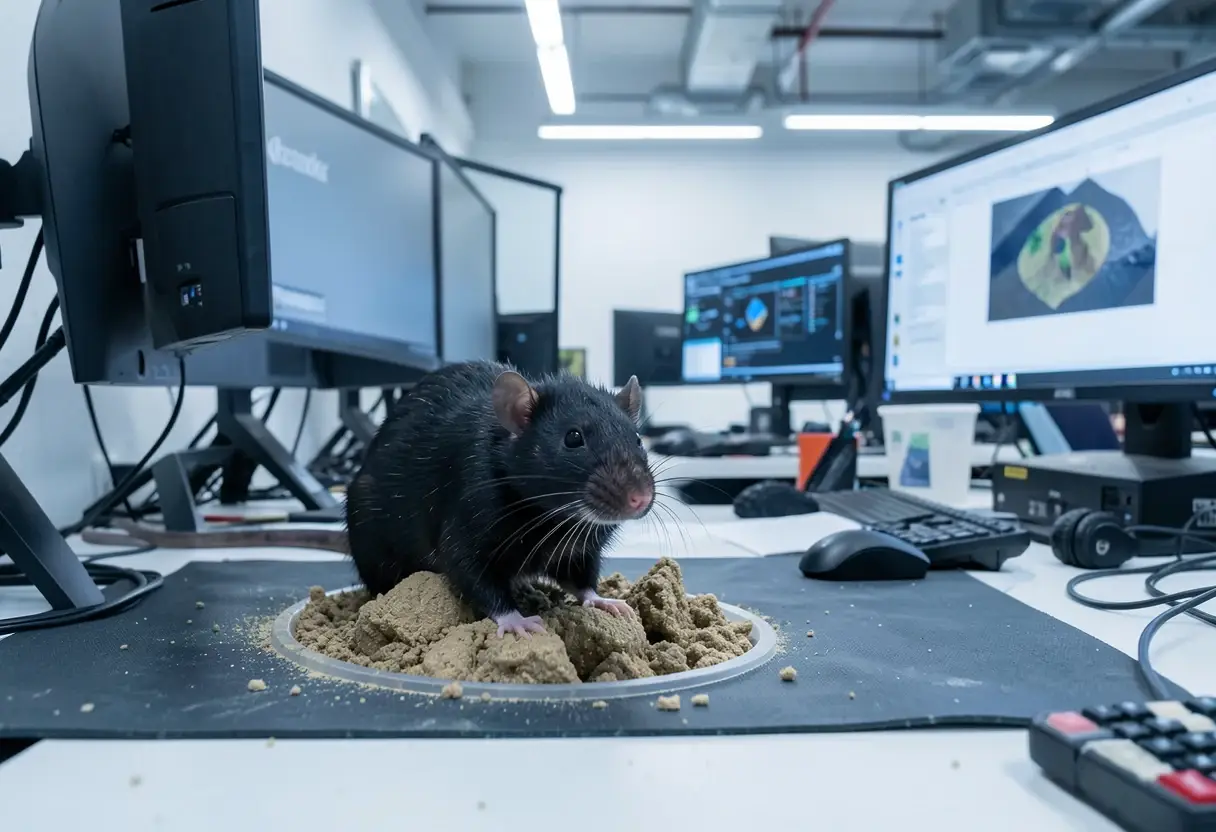
Outside some entrances, they placed a highly desirable peanut-butter bait ball inside a steel mesh container. Rats could see and smell the peanut butter, but the mesh prevented them from eating it.
The researchers called this a “phantom decoy”: a tempting option that was present but unattainable. The tunnels offered a basic food reward, and the design borrowed directly from behavioral economics.
Their reasoning was straightforward: if the unreachable peanut butter changed how rats judged the tunnel food, the tunnel might become more attractive. That could encourage entry without changing the trap itself.
What did the controls reveal?
Controls showed that placing the same inaccessible food inside the tunnel did not increase entry rates. The effect also did not arise simply because extra food attracted more rats to the area.
The increase occurred only when the inaccessible food sat outside. The authors said, “This suggests rats weren't simply responding to the amount of food available. Instead, their decisions were influenced by how the options were presented.”
That supports a comparison effect rather than a simple hunger response. Although the researchers cannot know exactly how a rat experiences these choices, changing perceived alternatives appeared to alter its behavior. To their knowledge, this was the first evidence that a “phantom decoy” effect, already documented in human decision-making, could influence trap-entry behavior in a wild mammal.
Could this change pest control?
Pest managers often encounter animals that investigate traps or bait stations but refuse to enter. The problem occurs at every scale, from failed island eradications to backyard rats that seem impossible to catch.
When lures alone fail to overcome reluctance, the proposed method adds a highly desirable but inaccessible food option outside the trap entrance. The authors describe it as relatively simple and inexpensive, without a new trap design, sophisticated technology or costly equipment. It changes the decision-making environment rather than the device.
The authors describe the practical implications as potentially significant, rather than settled. Their field test used free-leaving tracking tunnels, and it cannot reveal what rats felt. The result therefore supports the idea that the technique could aid pest control; it does not guarantee the same response in other traps or species.
Beyond pest control, the work raises broader questions about animal choices under uncertainty. Researchers say understanding those choices could support threatened-wildlife conservation and animal monitoring.
Published as “Information decoys improve animal engagement with management devices,” the paper appeared in the Journal of Applied Ecology in 2026. Its digital object identifier, or DOI, is 10.1111/1365-2664.70623. The result offers a counterintuitive lesson: adding option B may make option A more likely, even when option B remains impossible to consume.
via phys.org/rss-feed/ (Source)
More from Nathan Brooks
Show full bio
Market editor covering companies, deals and strategy in general science news at SciBeat.
580 articles
Nearby plates
- Why the Same Chemical Harms One Species and Spares Another
- California rodenticide rules cut exposure in young owls by more than half
- Western-Style Diet Made Salmonella Deadlier in Mice, Study Finds
- Marmots Get an OnlyFans as US Science Funding Cuts Bite
- Insect Feed From Food Waste Poses Only Low Mad Cow Risk, Study Finds