Recorded November 25, 2026
Biology & EvolutionReported finding
Narwhals Eat the Narrowest Diet in a Warming Greenland Fjord
A first-ever comparison of 126 stomachs from narwhals and three seal species in a Greenland fjord found heavy dietary overlap — and narwhals with the least varied diet of all.
By Elena Vasquez4 min read706 words
In brief
- Study published Oct. 29 in Marine Ecology Progress Series analyzed 126 marine mammal stomachs from Inglefield Bredning, Greenland.
- Narwhals showed the lowest dietary diversity of the four species; 62 prey types were identified, with polar cod the most frequent.
- Samples were collected with Inuit hunters during summers from 2022 through 2024.
- Southern fish species, including redfish, appeared in the region for the first time.
- Harp seals are predicted to shift northward, adding future competition.
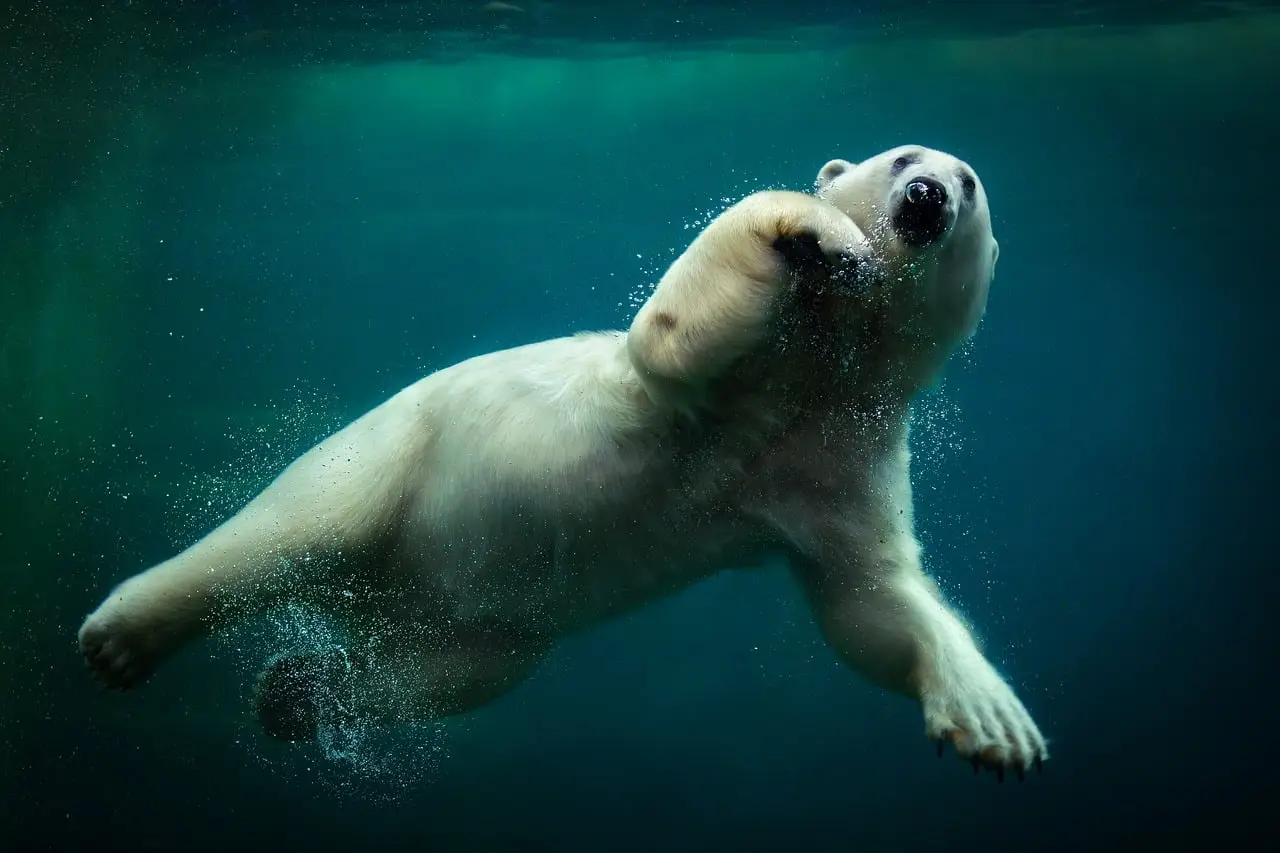
Narwhals showed the least varied diet of the four marine mammals sharing one Greenland fjord, marking them as the species most exposed if climate change tightens competition for food, according to researchers at Japan's National Institute of Polar Research.
The team analyzed 126 stomachs — 54 ringed seals, 32 narwhals, 23 bearded seals and 17 harp seals — collected during summers from 2022 through 2024 in Inglefield Bredning, a fjord in Greenland. The samples came from Inuit subsistence hunts, gathered under all applicable regulations and quotas in collaboration with local hunters.
The study, published Oct. 29 in Marine Ecology Progress Series, identified 62 types of prey across the samples. Polar cod turned up most often. Researchers also found southern fish species in the stomachs, including redfish, never before recorded in the region — a possible signal of a shifting Arctic food web.
What did the researchers find?
Team leader Monica Ogawa, specially appointed assistant professor at the National Institute of Polar Research, said this was the first time anyone had compared the stomach contents of these four mammals. The goal was threefold: detail each species' diet, gauge the potential for food competition, and assess how each might fare as the marine ecosystem changes.
The verdict on overlap was blunt. "The dietary niches of all species, excluding bearded seals, substantially overlapped, suggesting a high potential for interspecific competition," Ogawa said.
Bearded seals stood apart. They occupy a distinct niche built on a diverse diet and heavy reliance on benthic prey — bottom-dwelling fish such as sculpins — so their response to ecosystem shifts may differ from the other three species.
Narwhals sat at the other extreme, with the lowest dietary diversity of the group. That specialization, combined with overlap from ringed seals and harp seals, puts them at particular risk. Harp seals add a future threat: Ogawa noted they are predicted to expand their range northward into the Arctic under climate change, potentially bringing more competition.
Why does niche overlap matter?
Each species occupies an ecological niche — the set of environmental conditions and resources, including food choices, it can tolerate. Species with overlapping niches may compete when resources run short.
"Ecological niches are shaped not only by species-specific traits but also by interactions with other organisms, including how species share resources, coexist or compete with each other," Ogawa said. She added that understanding niche overlap and segregation among sympatric species — species living in the same place, at comparable spots in the food chain — is essential for explaining how species coexist and predicting the impacts of ecosystem change.
The study also found that the size and type of fish targeted varied among age classes in seals. Younger and older individuals are not ecologically equivalent, which means a species' resilience depends partly on its age structure.
"Overall, dietary specialization and age structure emerge as key determinants of ecological resilience in marine mammals," Ogawa said.
How was the work done, and what are the limits?
The samples came from three consecutive summers in a single fjord, and the study covered the open-water season only. The findings are preliminary in the sense that long-term trends in this ecosystem are still being established; the researchers frame their results as insights into potential changes rather than confirmed outcomes.
Ogawa credited local Inuit hunters with making the work possible. "The collection of a large number of stomach samples would not have been possible without the cooperation of local Inuit hunters," she said. "Continued sample collection through collaboration with hunters will play an important role in the long-term monitoring of Arctic marine ecosystems."
She said the team hopes to build on the findings to understand how Arctic marine ecosystems will change and how those changes will affect marine mammals and the local communities that depend on them.
Co-authors include Evgeny A. Podolskiy and Shin Sugiyama of the Arctic Research Center at Hokkaido University, and Yoko Mitani of the Wildlife Research Center at Kyoto University. Sugiyama is also affiliated with Hokkaido University's Institute of Low Temperature Science. Ogawa holds an affiliation with the Arctic Research Center at Hokkaido University as well.
The takeaway: narwhals eat the narrowest menu in the fjord, and a warming Arctic keeps seating more guests at the same table.
via phys.org/rss-feed/ (Source)
More from Elena Vasquez
Show full bio
Correspondent covering money, funding and market shifts around general science news at SciBeat.
629 articles
Nearby plates
- Warming Oceans Are Rewiring the Menu of the Sea's Base Layer
- Two Remote Pacific Atolls Rank Among the World's Last Intact Reefs
- North Atlantic Right Whales Fall to 382, Reversing Recent Gains
- Fossil Teeth Suggest Some Dinosaurs Grazed on Seaweed
- Up to 93% Decline Projected for Key Marine Food-Chain Species by 2100